

Are you feeling more tired than usual, struggling to stay motivated, or noticing changes in your body that just don’t seem right? These could be signs that your testosterone levels are lower than they should be.
Testosterone plays a key role in your energy, mood, muscle strength, and overall well-being. Ignoring these signs might affect your quality of life more than you realize. Keep reading to discover the common signs of low testosterone in men and what you can do to take control of your health.
Physical Signs Of Low Testosterone
Low testosterone affects the body in many ways. The physical signs are often the first to show up. Men may notice changes in their strength, appearance, and energy levels. Understanding these signs helps identify low testosterone early.
Reduced Muscle Mass
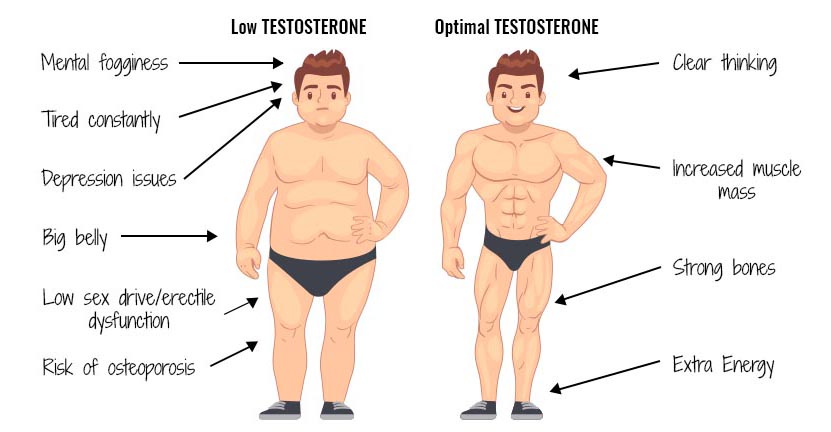
Testosterone helps build and maintain muscle. Lower levels cause muscles to shrink. Strength may drop, and lifting weights feels harder. Clothes may feel looser around the arms and chest. This change happens slowly but is clear over time.
Increased Body Fat
Low testosterone can lead to more body fat. Fat often builds up around the belly area. The body may store fat instead of burning it. This can affect overall health and confidence. Diet and exercise might not reduce fat easily.
Hair Loss
Testosterone affects hair growth. Low levels can cause hair thinning or loss. This happens on the scalp and sometimes the body. Hair may fall out faster than usual. It can be a sign that testosterone is low.
Fatigue And Low Energy
Feeling tired all the time is common. Low testosterone reduces energy and stamina. Even small tasks can feel exhausting. Sleep might not restore energy fully. This can affect work, hobbies, and daily life.
Credit: trtuk.co.uk
Emotional And Mental Symptoms
Low testosterone affects more than just physical health. It can change how men feel and think. Emotional and mental symptoms often appear first. These changes can make daily life harder. Understanding these signs helps men seek help early. Let’s explore some common emotional and mental symptoms linked to low testosterone.
Mood Swings And Irritability
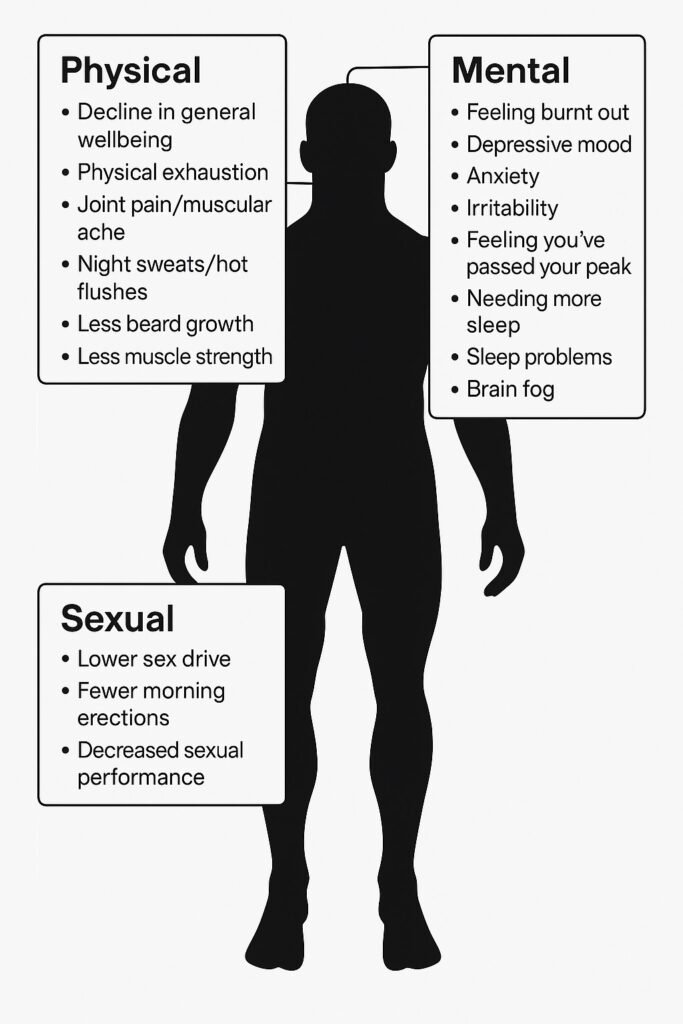
Men with low testosterone may feel sudden mood changes. One moment calm, the next easily annoyed. Small problems can cause big reactions. This irritability can affect relationships with family and friends. Mood swings might feel confusing and hard to control.
Depression And Anxiety
Low testosterone can lead to feelings of sadness or worry. Depression may make men lose interest in activities they once enjoyed. Anxiety might cause constant nervousness or fear. These feelings can last for weeks or months. They reduce overall happiness and well-being.
Difficulty Concentrating
Men with low testosterone often struggle to focus. Simple tasks might seem harder. Memory problems may also occur. This “brain fog” can affect work and daily decisions. Concentration issues lower productivity and increase frustration.
Sexual Health Indicators
Sexual health often reflects overall hormone balance in men. Testosterone plays a key role in many aspects of male sexual function. Low testosterone can cause noticeable changes in sexual health. These signs help identify possible hormone issues early. Understanding these indicators supports better health decisions.
Lower Libido
A drop in testosterone often leads to reduced sex drive. Men may lose interest in sexual activity. This change can affect relationships and self-esteem. Lower libido is one of the first signs to watch for. It signals the need to check hormone levels.
Erectile Dysfunction
Testosterone helps maintain strong erections. Low levels can cause difficulty in getting or keeping an erection. This problem affects sexual satisfaction and confidence. It is a common sign of hormone imbalance in men. Addressing erectile issues early improves quality of life.
Reduced Sperm Count
Testosterone supports sperm production in the testes. Low testosterone may reduce sperm quantity and quality. This can lead to fertility challenges for couples. Men with low sperm count should consider hormone testing. Early detection helps manage reproductive health better.
Sleep And Rest Issues
Low testosterone can affect men in many ways. One common sign is trouble with sleep and rest. Sleep is important for energy, mood, and overall health. Men with low testosterone often find it hard to get good sleep. This can lead to feeling tired during the day and a lower quality of life.
Insomnia
Insomnia means having trouble falling or staying asleep. Men with low testosterone may wake up several times at night. They might lie awake for long periods. Poor sleep reduces the body’s ability to repair itself. This can worsen other symptoms of low testosterone, like low energy and mood changes.
Sleep Apnea
Sleep apnea is a condition where breathing stops briefly during sleep. It causes poor sleep quality and daytime tiredness. Low testosterone can increase the risk of sleep apnea. Men with this condition often snore loudly and feel unrested in the morning. Treating low testosterone might improve sleep apnea symptoms and overall rest.
When To See A Doctor
Low testosterone can affect many parts of a man’s health. Knowing when to see a doctor is important. Some signs may seem small, but can grow worse over time. Early checkups help find the cause and start treatment.
Recognizing Persistent Symptoms
Feeling tired all the time is a common sign. A drop in sex drive may last for weeks. Mood changes like sadness or irritability can also appear. Muscle weakness or loss can happen. These signs should not be ignored if they stay longer than a month. Persistent symptoms need a doctor’s attention to find the root cause.
Medical Tests For Testosterone Levels
A simple blood test measures testosterone levels. Doctors usually check levels in the morning. This is when testosterone is highest. Sometimes, more than one test is needed for accuracy. Tests also check other hormones for balance. Blood tests help guide the right treatment plan.
Credit: www.centreformenshealth.co.uk
Lifestyle Changes To Manage Low Testosterone
Managing low testosterone involves making smart lifestyle changes. These changes help improve energy, mood, and overall health. Simple daily habits can support hormone balance and boost well-being.
Exercise And Diet
Regular exercise helps increase testosterone naturally. Focus on strength training and cardio workouts. They stimulate hormone production and improve muscle mass.
Eat a balanced diet rich in proteins, healthy fats, and vitamins. Foods like eggs, nuts, and leafy greens support hormone health. Avoid processed foods and excess sugar to maintain steady testosterone levels.
Stress Reduction Techniques
Stress lowers testosterone by raising cortisol levels. Practice relaxation methods such as deep breathing or meditation daily. Even short breaks can reduce stress and protect hormone balance.
Quality sleep also reduces stress and supports testosterone. Aim for 7-8 hours of restful sleep each night. Avoid screens and caffeine before bedtime for better rest.
Avoiding Alcohol And Drug Abuse
Alcohol and drugs can reduce testosterone production. Limit alcohol intake to moderate levels or avoid it completely. Stay away from recreational drugs that disrupt hormone balance.
Healthy habits keep your body working well. Reducing harmful substances helps maintain higher testosterone and overall health.
Treatment Options For Low Testosterone
Treatment options for low testosterone help restore hormone levels and improve well-being. Men with low testosterone may experience fatigue, low mood, and reduced muscle mass. Choosing the right treatment depends on individual health, age, and symptoms.
Doctors often recommend several approaches to raise testosterone safely. These include medical therapies and natural supplements. Each option has benefits and risks to consider carefully.
Hormone Replacement Therapy
Hormone replacement therapy (HRT) replaces testosterone through injections, gels, or patches. It can quickly improve energy, mood, and muscle strength. Treatment usually starts after blood tests confirm low testosterone levels.
Doctors monitor patients regularly to check for side effects. HRT may not suit men with certain health issues, like prostate problems. Consulting a healthcare provider is important before starting therapy.
Natural Supplements
Natural supplements may support testosterone production and overall health. Ingredients like zinc, vitamin D, and herbal extracts are common in these products. They may help improve energy and sexual function mildly.
Supplements are less potent than medical treatments but have fewer side effects. Results vary, and supplements work best with a healthy lifestyle. Always discuss supplements with a doctor before use.
Potential Risks And Benefits
Testosterone treatments can boost quality of life by reducing symptoms of low testosterone. Benefits include better mood, strength, and sexual health. Risks include acne, sleep apnea, and changes in blood pressure.
Natural supplements usually have fewer risks but may be less effective. Hormone therapy requires medical supervision to avoid complications. Weighing risks and benefits helps choose the safest treatment.
:max_bytes(150000):strip_icc()/Low-testosterone-5216619_txt_final-f54332d26a124869bb49e110d5d09d2f.png)
Credit: www.verywellhealth.com
Frequently Asked Questions
What Are The Common Symptoms Of Low Testosterone In Men?
Common symptoms include fatigue, low libido, mood swings, muscle loss, and increased body fat. Men may also experience difficulty concentrating and reduced bone density.
How Does Low Testosterone Affect Men’s Mental Health?
Low testosterone can cause depression, irritability, and difficulty focusing. It often leads to reduced motivation and memory problems, impacting overall mental well-being.
Can Low Testosterone Cause Erectile Dysfunction?
Yes, low testosterone often contributes to erectile dysfunction. It reduces sexual desire and impairs the ability to achieve or maintain an erection.
What Lifestyle Changes Help Improve Low Testosterone Levels?
Regular exercise, a balanced diet, adequate sleep, and stress management can boost testosterone naturally. Avoiding alcohol and quitting smoking also supports hormone balance.
Conclusion
Low testosterone can affect many parts of a man’s life. Feeling tired, weak, or sad might be signs. Changes in muscle, mood, or sleep should not be ignored. Talk to a doctor if these signs last a long time. Early steps can help improve health and well-being.
Taking care of your body matters every day. Stay aware and listen to what your body tells you. Small changes can make a big difference over time.