

Do you find your mind stuck in a loop, replaying the same worries over and over? Overthinking can steal your peace and drain your energy, leaving you tense and restless.
But what if you could break free from this cycle and finally feel calm? You’ll discover simple, powerful ways to stop overthinking and relax your mind—so you can enjoy life with more ease and confidence. Keep reading, because your peace of mind is closer than you think.
Causes Of Overthinking
Overthinking happens when your mind keeps going over the same thoughts. It can start for many reasons. Some reasons are easy to spot. Others are hidden deep in your daily habits. Understanding these causes helps you stop the cycle.
Common Triggers
Stress is a big cause of overthinking. When you face pressure, your mind races. You may worry about what could go wrong. Fear of failure or rejection also triggers overthinking. Past mistakes can haunt your thoughts. Uncertainty about the future makes your brain restless. Sometimes, too much information confuses your mind. This overload leads to endless thinking.
Impact On Mental Health
Overthinking can harm your mental health. It causes anxiety and makes stress worse. Sleep problems often come from too many thoughts. Your mood may drop, leading to sadness. Over time, it can cause feelings of helplessness. This cycle stops you from relaxing and enjoying life.
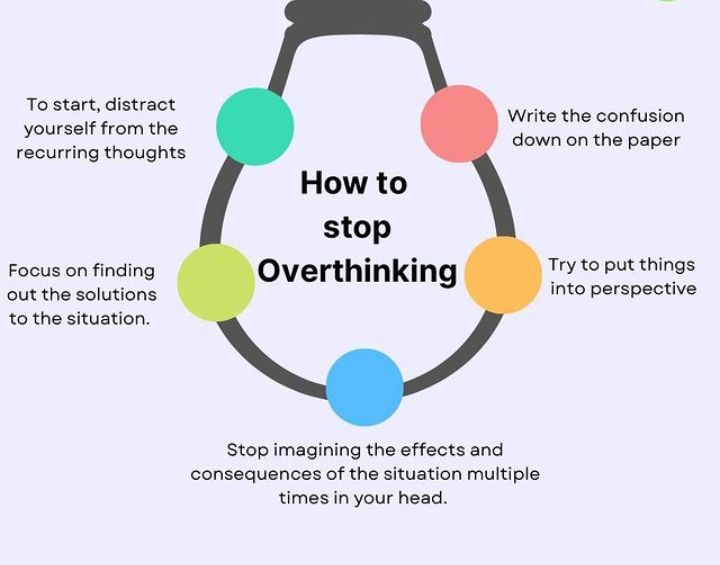
Credit: www.naukri.com
Signs You’re Overthinking
Overthinking can sneak into your daily life without clear signs. It often feels like your mind is stuck in a loop. Noticing the signs early helps you find calm faster. Both your body and emotions show clues when overthinking takes over.
Physical Symptoms
Your body reacts to constant stress from overthinking. You might feel tight muscles or headaches. Sleep problems are common, like difficulty falling asleep or waking up often. Sometimes, your heart beats faster without exercise. These signs show your mind is not resting.
Emotional Effects
Overthinking affects your mood deeply. You may feel anxious or uneasy without a clear cause. Small problems can seem bigger than they are. Feeling stuck or unable to decide is another sign. It can make you feel tired and less happy overall.
Quick Techniques To Calm Your Mind
Quick techniques to calm your mind help stop overthinking fast. These methods bring peace and focus in moments of stress. Use them anytime, anywhere to clear your thoughts.
Breathing Exercises
Breathing exercises slow down your mind and body. Take a deep breath in through your nose. Hold it for three seconds. Slowly breathe out through your mouth. Repeat this five times.
This simple act lowers your heart rate and relaxes muscles. It helps your brain switch from worry to calm. Try breathing exercises whenever thoughts race.
Grounding Methods
Grounding methods bring your attention back to the present. One way is the “5-4-3-2-1” technique. Name five things you see around you. Then, four things you can touch.
Next, say three things you hear, two things you smell, and one thing you taste. This method stops your mind from spiraling. It helps you feel safe and steady again.
Daily Habits To Reduce Overthinking
Overthinking can drain energy and cause stress. Building small daily habits helps calm your mind. Consistent routines create space for peace and clarity. These habits train your brain to focus and relax.
Mindfulness Practices
Mindfulness means paying attention to the present moment. It stops your mind from racing into worries. Try simple breathing exercises each day. Sit quietly and breathe deeply for a few minutes. Notice your thoughts without judging them. This practice reduces stress and clears your mind.
Journaling Benefits
Writing down your thoughts helps release mental clutter. Journaling makes your worries smaller and easier to manage. Spend five minutes each day writing about your feelings. This habit creates distance from overthinking. It also helps find solutions and boosts calmness.
Lifestyle Changes For Lasting Calm
Changing daily habits can help stop overthinking and bring calm. Small lifestyle shifts create lasting peace. These changes improve mind and body health. They lower stress and clear busy thoughts. Simple steps lead to a calmer, happier life.
Exercise And Sleep
Exercise helps the brain relax and focus. Just 20 minutes of walking boosts mood and reduces stress. Regular movement lowers anxiety and clears the mind. Sleep is key to mental rest. Poor sleep makes overthinking worse. Aim for 7 to 8 hours of sleep each night. A good sleep routine helps control racing thoughts.
Limiting Information Overload
Too much information fuels worry and confusion. Cut down on social media and news time. Choose specific times to check updates. Avoid screens before bed to calm your mind. Focus on real-life moments and quiet time. Reducing input allows the brain to rest and reset.
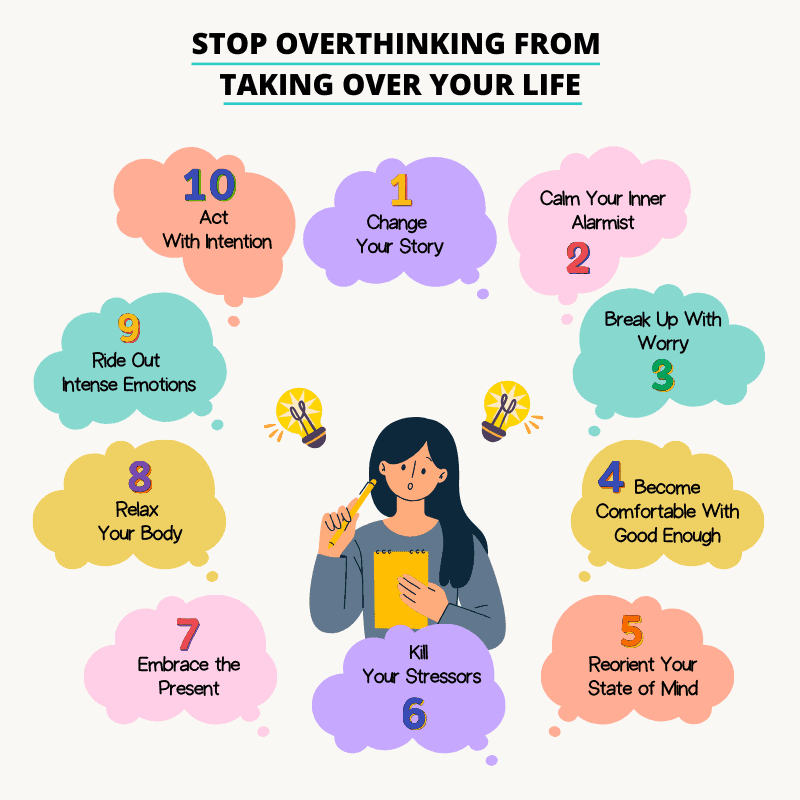
Credit: www.shop.techtello.com
When To Seek Professional Help
Overthinking can feel endless and exhausting. Sometimes, self-help methods do not ease the mind. Seeking professional help is a smart step. Experts can guide you through your thoughts and feelings. Knowing when to get help can improve your mental health greatly.
Recognizing The Need
Overthinking that disrupts daily life is a clear sign. Difficulty sleeping or constant worry can signal deeper issues. Feeling stuck or unable to relax is another sign. When thoughts cause sadness or anxiety often, it is time to seek help. Professionals can offer support beyond self-help techniques.
Types Of Therapy
Cognitive Behavioral Therapy (CBT) is commonly used for overthinking. It helps change negative thought patterns. Mindfulness Therapy teaches staying present and calm. Talk therapy allows sharing feelings and finding solutions. Each therapy suits different needs and helps regain control over thoughts.
Credit: www.becalmwithtati.com
Frequently Asked Questions
How Can I Stop Overthinking Quickly?
To stop overthinking quickly, practice deep breathing and focus on the present moment. Distract your mind with physical activity or a hobby. Challenge negative thoughts and replace them with positive affirmations to regain control.
What Are Effective Ways To Relax The Mind?
Effective ways to relax the mind include meditation, mindfulness, and progressive muscle relaxation. Regular exercise and proper sleep also help reduce stress. Engaging in hobbies and socializing can improve mental calmness.
Why Does Overthinking Cause Stress And Anxiety?
Overthinking magnifies worries and creates mental exhaustion. It traps you in a loop of negative thoughts, increasing stress and anxiety levels. This disrupts sleep and lowers overall well-being.
Can Journaling Help Reduce Overthinking?
Yes, journaling helps by externalizing your thoughts. It clarifies emotions and highlights solutions. Writing daily encourages self-reflection and reduces mental clutter, promoting relaxation.
Conclusion
Overthinking can drain your energy and peace of mind. Practice simple steps every day to calm your thoughts. Focus on the present moment and breathe deeply. Let go of worries you cannot control. Find activities that help you relax and feel happy.
Remember, small changes lead to big improvements. You have the power to stop overthinking. Enjoy life with a clearer and calmer mind.