

Are you worried about losing your bone strength as you age? Osteoporosis can make your bones weak and fragile, increasing the risk of fractures.
But here’s the good news—you don’t have to rely on medicine alone to protect your bones. You have the power to strengthen them naturally. You’ll discover simple, effective ways to keep your bones healthy and strong. Keep reading, and learn how small changes in your daily life can make a big difference in preventing osteoporosis before it starts.
Your bones will thank you!
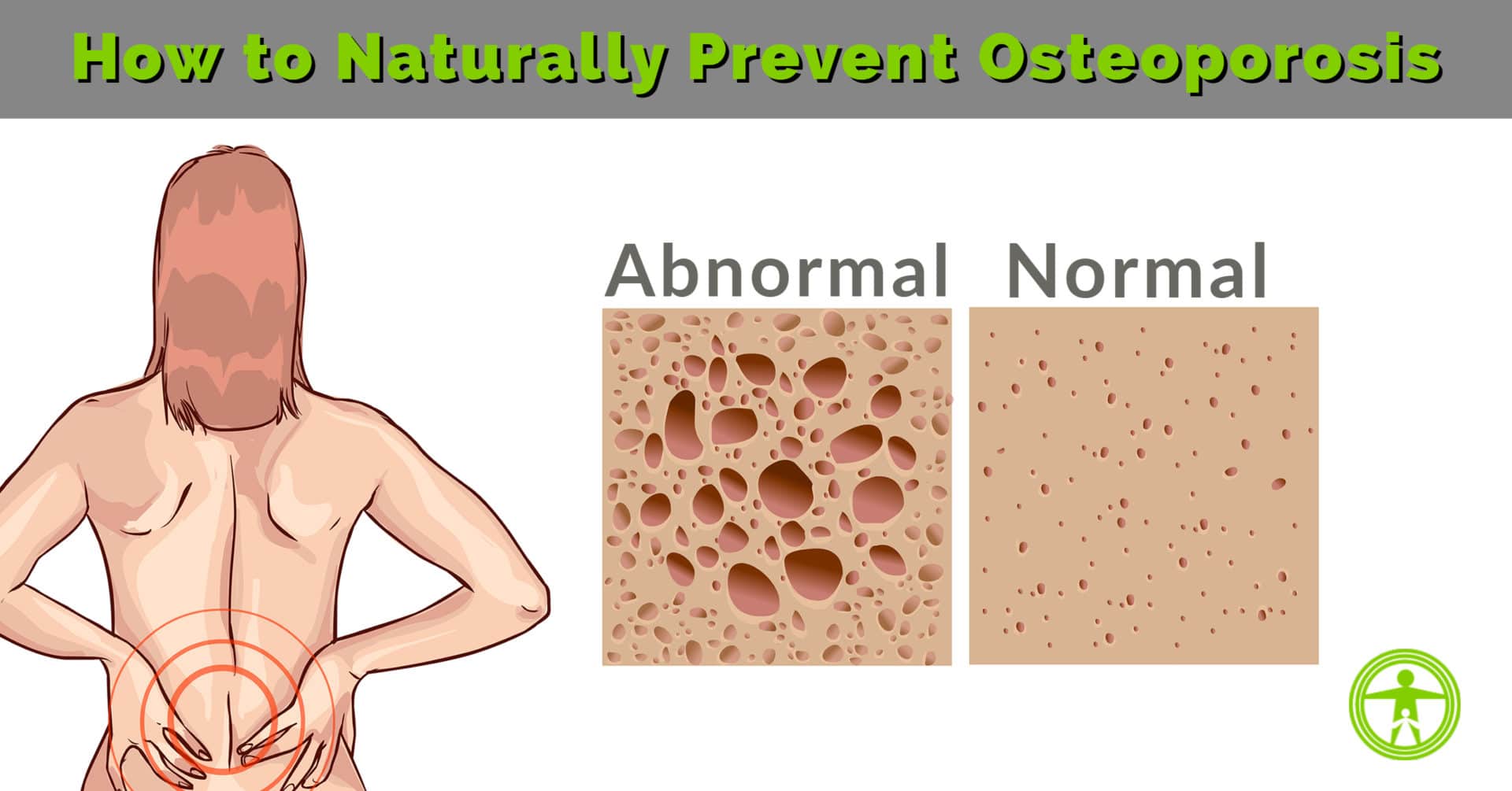
Credit: www.familyhealthchiropractic.com
Causes Of Bone Loss
Bone loss happens when the body breaks down more bone than it builds. This process weakens bones and raises the risk of fractures. Understanding what causes bone loss helps in preventing osteoporosis naturally. Several factors play a role in this condition.
Role Of Aging
Aging reduces the body’s ability to build new bone. After age 30, bone density starts to decline slowly. Bones become thinner and more fragile over time. The natural aging process makes bones less dense and weaker.
Impact Of Hormonal Changes
Hormones affect bone strength. In women, menopause lowers estrogen levels. Estrogen helps keep bones strong. Less estrogen leads to faster bone loss. Men also lose bone mass due to lower testosterone with age.
Lifestyle Factors
Daily habits influence bone health. A poor diet lacking calcium and vitamin D harms bones. Smoking and excessive alcohol weaken bones. Lack of exercise reduces bone strength. Staying active and eating well supports healthy bones.
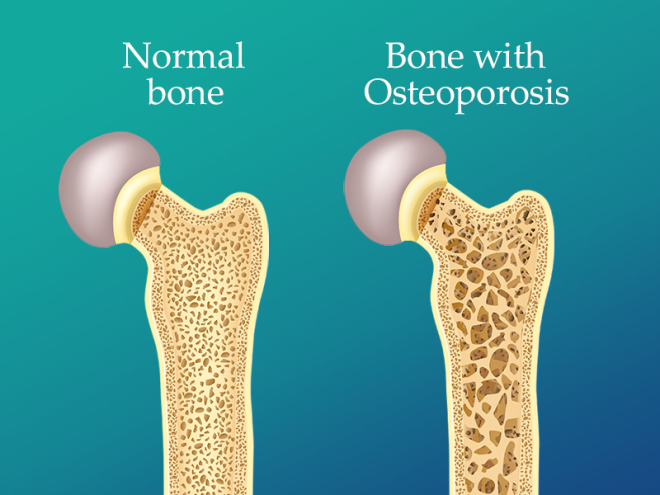
Credit: orthopedicnj.com
Nutritional Strategies
Good nutrition plays a key role in keeping bones strong. It helps prevent osteoporosis by providing the right nutrients. Eating well supports bone health and reduces the risk of fractures. Simple changes in diet can make a big difference over time.
Calcium-rich Foods
Calcium is the main mineral in bones. It keeps them dense and strong. Dairy products like milk, cheese, and yogurt are the top sources. Leafy green vegetables such as kale and broccoli also contain calcium. Small fish with bones, like sardines, add calcium too. Aim for foods rich in calcium every day.
Vitamin D Importance
Vitamin D helps the body absorb calcium better. Without enough vitamin D, bones become weak and brittle. Sunlight is a natural source of vitamin D. Foods like fatty fish, egg yolks, and fortified milk supply vitamin D. Including these supports bone strength and lowers osteoporosis risk.
Other Bone-healthy Nutrients
Magnesium, potassium, and vitamin K support healthy bones. Nuts, seeds, and whole grains provide magnesium. Fruits and vegetables supply potassium and vitamin K. These nutrients help build and maintain bone tissue. A balanced diet with these foods protects bone health naturally.
Exercise For Bone Strength
Exercise plays a key role in keeping bones strong and healthy. Regular physical activity helps build bone density and prevents bone loss. It also improves muscle strength, balance, and coordination. These benefits reduce the risk of falls and fractures. Focusing on specific types of exercises can naturally support bone health.
Weight-bearing Activities
Weight-bearing exercises force your body to work against gravity. Examples include walking, jogging, climbing stairs, and dancing. These activities stress the bones, which encourages them to grow stronger. Aim for at least 30 minutes of weight-bearing exercise most days of the week. Start slow and increase intensity gradually to avoid injury.
Resistance Training Benefits
Resistance training uses weights or bands to strengthen muscles and bones. Lifting weights or using resistance bands creates tension in muscles. This tension pulls on bones, stimulating bone growth. Resistance exercises also improve muscle mass and balance. Try exercises like squats, lunges, and bicep curls two to three times per week.
Balance And Flexibility Exercises
Balance and flexibility training reduces the chance of falls. Yoga, tai chi, and stretching improve coordination and joint movement. These exercises help maintain posture and body control. Better balance lowers the risk of fractures caused by falls. Include balance exercises several times a week for the best results.
Lifestyle Habits To Adopt
Adopting healthy lifestyle habits plays a key role in preventing osteoporosis naturally. Small daily changes can strengthen your bones and reduce the risk of fractures. These habits support bone health by improving calcium absorption and maintaining bone density. Focus on quitting smoking, limiting alcohol intake, and managing stress levels for better bone strength.
Quit Smoking
Smoking harms bone cells and reduces calcium absorption. It speeds up bone loss and weakens bone structure. Quitting smoking helps bones stay strong and heal faster. Avoiding tobacco improves blood flow to bones, which supports growth and repair. Make a plan to stop smoking for healthier bones.
Limit Alcohol Intake
Drinking too much alcohol lowers bone formation and increases fracture risk. Alcohol interferes with calcium balance and hormone levels. Limit alcohol to protect bone density and avoid bone damage. Stick to moderate drinking or avoid alcohol to keep bones strong. This simple step helps maintain better bone health over time.
Manage Stress Levels
Stress releases hormones that can weaken bones. High stress can lower calcium absorption and bone formation. Find ways to relax and reduce stress daily. Try deep breathing, meditation, or light exercise to calm your mind. Managing stress supports healthy bones and overall well-being.
Supplements And Natural Remedies
Supplements and natural remedies can help support bone health. They provide essential nutrients that your diet might lack. These options can work well alongside good eating habits and exercise.
Choosing the right supplements or herbs helps keep bones strong. Knowing when and how to use them is important. Safety should always come first when trying new remedies.
When To Consider Supplements
Supplements help if you have low calcium or vitamin D levels. They can fill gaps in your diet. Older adults and postmenopausal women often need extra support. People with certain health issues may also benefit from supplements. Talk to a doctor before starting any new vitamins.
Herbal Options
Some herbs may help maintain bone health. Horsetail contains silica, which supports bone strength. Red clover has plant compounds that mimic estrogen’s effects. Nettle leaf provides minerals like calcium and magnesium. These herbs can be brewed as teas or taken as capsules. Use herbs carefully and watch for any side effects.
Safety Precautions
Not all supplements or herbs suit everyone. Some can interact with medicines or cause allergies. Start with small doses to check for reactions. Avoid taking large amounts without medical advice. Always buy products from trusted sources to ensure quality. Consult a healthcare provider before adding new supplements or herbs to your routine.
Regular Health Monitoring
Regular health monitoring plays a key role in preventing osteoporosis naturally. It helps catch problems early and guides you to take the right steps. Keeping track of your bone health ensures you stay strong and avoid fractures. Simple checks and tests can give clear information about your bones. This way, you can act before any damage occurs.
Bone Density Testing
Bone density testing measures the strength of your bones. It is a quick and painless scan. This test shows how much mineral is in your bones. Low bone density means a higher risk of osteoporosis. Doctors use these results to suggest lifestyle changes or treatments. Regular testing helps track bone health over time. Early detection allows for better prevention and care.
Recognizing Early Signs
Knowing the early signs of osteoporosis helps in prevention. Watch for frequent bone pain or fractures after minor falls. Notice any loss of height or a curved spine. These signs suggest bones are weakening. Acting early by improving diet and exercise can slow bone loss. Awareness of symptoms leads to timely medical advice.
Consulting Healthcare Providers
Healthcare providers guide you through bone health management. They recommend tests and explain results clearly. Providers suggest safe exercises and proper nutrition. They also check for medicines that might harm bones. Regular visits help adjust your care plan. Trust your doctor to support your natural prevention efforts.
:max_bytes(150000):strip_icc()/can-osteoporosis-be-reversed-5206515_final-447e488cfb374c6fb03b3ce791fd828b.jpg)
Credit: www.verywellhealth.com
Frequently Asked Questions
What Foods Help Prevent Osteoporosis Naturally?
Foods rich in calcium and vitamin D help prevent osteoporosis. Include dairy, leafy greens, nuts, and fatty fish in your diet. These nutrients strengthen bones and improve bone density over time.
How Does Exercise Reduce Osteoporosis Risk?
Weight-bearing exercises like walking, jogging, and strength training boost bone density. Regular physical activity stimulates bone formation and slows bone loss, reducing osteoporosis risk naturally.
Can Vitamin D Prevent Osteoporosis Naturally?
Yes, vitamin D enhances calcium absorption, essential for strong bones. Sun exposure and supplements help maintain adequate vitamin D levels, supporting bone health and preventing osteoporosis.
Is Smoking Linked To Osteoporosis Risk?
Smoking weakens bones by reducing calcium absorption and blood supply. Quitting smoking improves bone health and lowers the risk of developing osteoporosis naturally.
Conclusion
Preventing osteoporosis naturally takes small, steady steps every day. Eat foods rich in calcium and vitamin D. Stay active with weight-bearing exercises. Avoid smoking and limit alcohol intake. These habits help keep bones strong and healthy. Bone health is a lifelong effort worth making.
Start today for a stronger tomorrow.