

Feeling overwhelmed by stress when you’re at home can make even simple tasks feel tough. You deserve a calm, peaceful space where your mind and body can relax.
Imagine turning your home into a stress-free zone, where you control the tension—not the other way around. You’ll discover easy, practical ways to manage stress right where you live. Keep reading, and you’ll learn how small changes can bring big relief to your daily life.
Your journey to a calmer home starts here.
Causes Of Home Stress
Stress at home can come from many sources. Understanding these causes helps manage stress better. Home should be a place of comfort. When stress builds up, it affects daily life. Identifying what triggers stress is the first step to relief.
Common Triggers
Noise from neighbors or traffic can cause tension. Clutter and mess create a feeling of chaos. Family conflicts or misunderstandings increase stress levels. Financial worries add pressure to the home environment. Overworking without breaks leads to exhaustion. Lack of personal space reduces relaxation. Poor time management causes constant rush and frustration.
Impact On Health
Stress affects both body and mind. It can cause headaches and muscle pain. Sleep quality often decreases under stress. Anxiety and mood swings become more common. Long-term stress weakens the immune system. It may increase the risk of heart problems. Managing stress is vital for overall health.
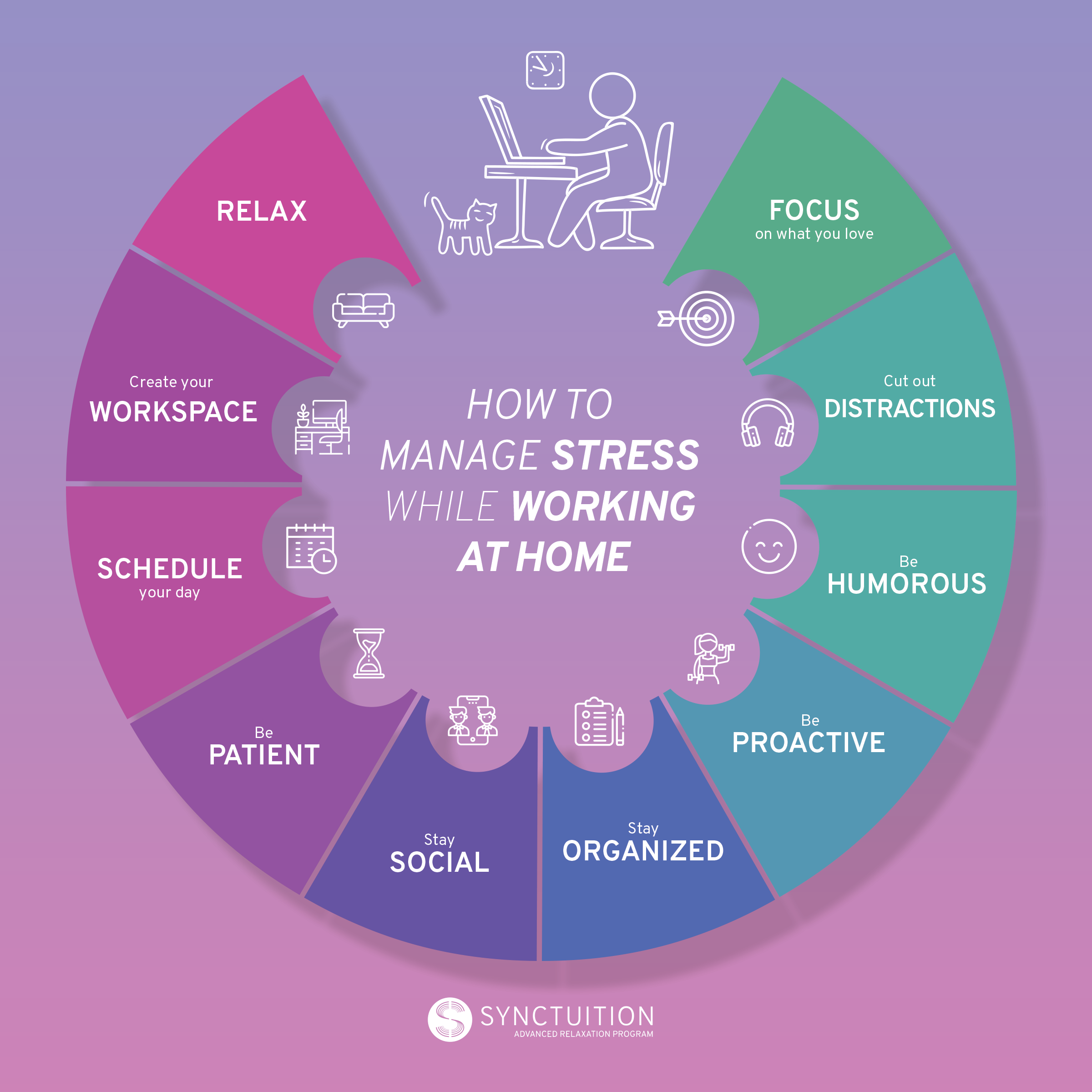
Credit: mindspa.com
Quick Relaxation Techniques
Stress can build up quickly at home. Quick relaxation techniques help calm your mind fast. These methods take little time and need no special tools. You can use them anywhere in your house. They improve your mood and lower tension right away.
Breathing Exercises
Breathing exercises are simple and effective. Sit comfortably and close your eyes. Breathe in slowly through your nose for four seconds. Hold your breath for four seconds. Breathe out gently through your mouth for six seconds. Repeat this cycle five times. This deep breathing helps slow your heart rate. It sends a signal to your brain to relax. You feel less anxious and more peaceful in minutes.
Progressive Muscle Relaxation
Progressive muscle relaxation reduces physical tension. Find a quiet spot and sit or lie down. Start with your feet and tense the muscles tightly. Hold the tension for five seconds. Then release the muscles and notice the difference. Move to your calves, thighs, and continue upward. Tense and relax each muscle group slowly. This technique helps you become aware of tight areas. It encourages your body to let go of stress. You will feel lighter and calmer after completing it.
Creating A Calm Space
Creating a calm space at home helps reduce stress and clear your mind. A peaceful area lets you relax and feel safe. This space should invite calmness and comfort. Small changes can make a big difference.
Focus on making this space simple and soothing. Keep only what you need and love. Soft colors and gentle light help calm your senses. Here are some easy tips to create your calm space.
Decluttering Tips
Start by removing items you do not use or need. A clutter-free space feels open and fresh. Put away things that distract you. Use baskets or boxes to organize small items.
Keep surfaces clear to avoid visual stress. Only display a few meaningful objects. This helps your mind feel less busy. Regularly tidy the space to keep it neat.
Soothing Colors And Lighting
Choose soft colors like light blue, green, or beige. These colors calm your mind and body. Avoid bright or loud colors in your calm space.
Use natural light during the day. Open curtains or blinds to let sunlight in. For the evening, use warm, soft lights. Lamps or string lights create a cozy feel.
Dim the lights to help your body relax. Avoid harsh overhead lights that can cause tension. Light controls let you change the mood easily.
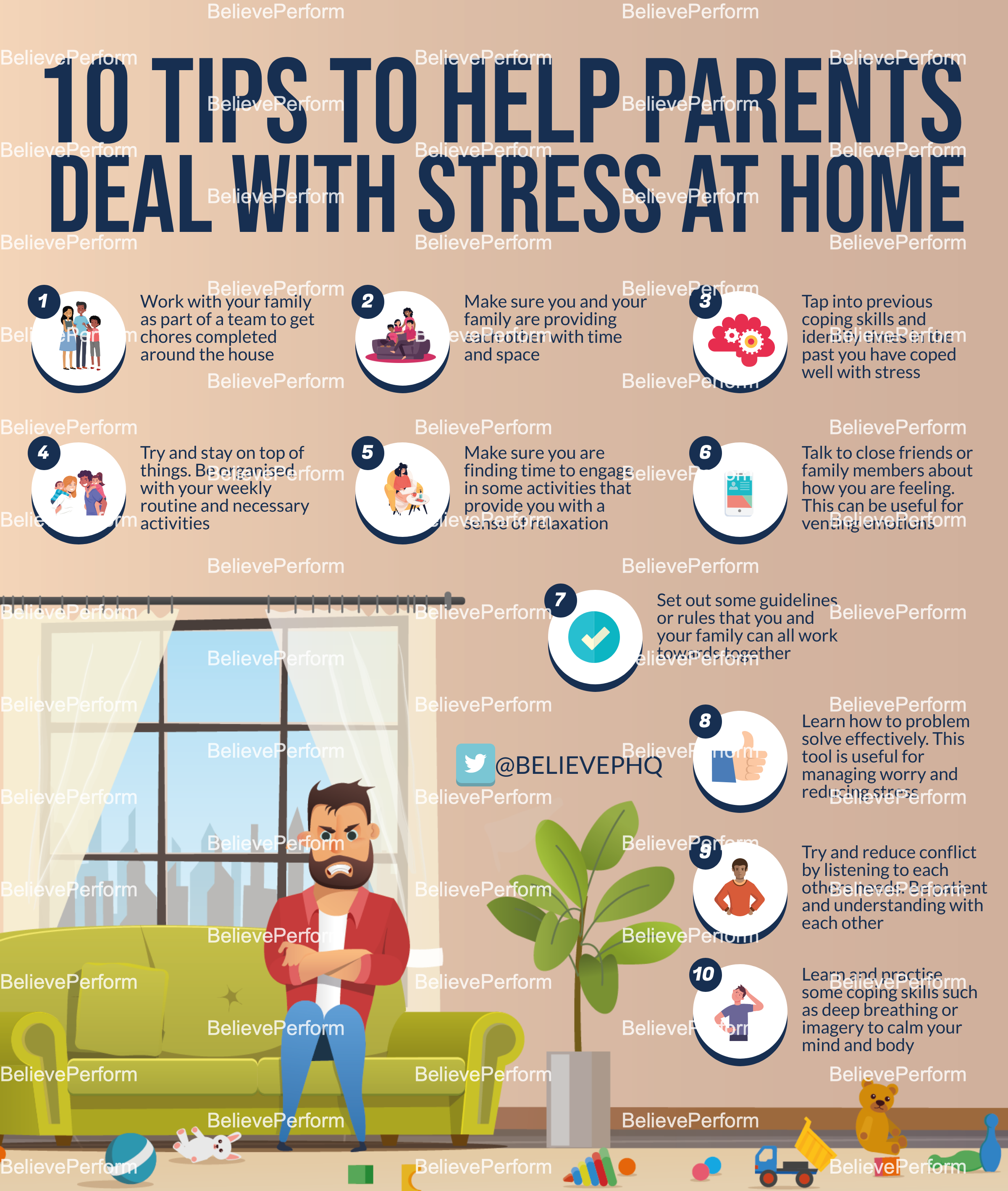
Credit: members.believeperform.com
Healthy Daily Habits
Healthy daily habits are key to managing stress at home. Simple routines help the mind and body stay calm. They build strength to face daily challenges. Small changes in diet, exercise, and sleep make a big difference.
Balanced Nutrition
Eating balanced meals fuels the body and brain. Include fruits, vegetables, whole grains, and lean proteins. Avoid too much sugar and processed foods. Drink plenty of water to stay hydrated. Balanced nutrition helps keep energy steady and mood stable.
Regular Physical Activity
Exercise lowers stress hormones and boosts mood. Aim for at least 30 minutes of activity daily. Walking, stretching, or simple home workouts work well. Physical activity improves sleep and sharpens focus. Moving the body helps release tension and clear the mind.
Quality Sleep
Good sleep restores the body and mind. Create a calm bedtime routine and stick to a schedule. Avoid screens and heavy meals before bed. Keep the bedroom cool and dark for better rest. Quality sleep improves mood and reduces stress naturally.
Mindfulness Practices
Mindfulness practices help calm your mind and body. They teach you to focus on the present moment. This reduces stress and improves your mood. Practicing mindfulness at home is simple and effective. You only need a few minutes each day. Two easy ways to start are meditation and gratitude journaling.
Meditation Basics
Meditation means sitting quietly and paying attention to your breath. Find a quiet place and sit comfortably. Close your eyes and breathe slowly. Notice how the air feels as it enters and leaves your nose. If your mind wanders, gently bring your focus back to breathing. Start with five minutes daily. Increase time as you feel more comfortable. Meditation helps lower stress and clears your thoughts.
Gratitude Journaling
Gratitude journaling involves writing down things you are thankful for. Each day, list three simple things that made you happy. It can be a warm cup of tea or a kind word from a friend. Writing these moments shifts your mind to positive thoughts. This practice builds hope and reduces stress. Keep your journal near your bed or desk. Spend a few minutes writing before sleep or after waking up.
Leveraging Support Systems
Stress can feel overwhelming at times. Support systems help reduce that burden. They offer comfort, advice, and a sense of belonging. Using support systems at home creates a safe space to share feelings. It encourages better stress management and emotional health.
Family And Friends
Family and friends provide emotional support during tough times. Sharing your worries with them eases mental pressure. They listen without judgment and offer helpful advice. Spending time with loved ones boosts mood and lowers stress hormones. Simple acts like talking or laughing together can make a big difference. Trusting family and friends builds a strong safety net for stress relief.
Professional Help
Sometimes, stress needs more than just talking with family. Professionals like therapists or counselors offer specialized support. They teach coping skills and stress management techniques. Professionals provide a safe space to explore deep feelings. Seeking help shows strength and a commitment to well-being. Therapy can guide you to healthier habits and clearer thinking.
Techniques To Avoid Stress
Stress can build up quickly at home. Using simple techniques helps keep stress low. These methods make daily life smoother and calmer. Focus on small changes. They create a big difference in managing stress.
Time Management
Plan your day with a clear schedule. Break tasks into small, easy steps. Set specific times for work and rest. Avoid multitasking to stay focused. Use timers to remind you to take breaks. This keeps your mind fresh and avoids burnout.
Setting Boundaries
Learn to say no without feeling guilty. Tell others your limits clearly and kindly. Create quiet spaces at home for relaxation. Turn off devices during family or personal time. Protect your time to reduce stress and feel in control.

Credit: www.healthnet.com
Frequently Asked Questions
What Are Simple Ways To Reduce Stress At Home?
Simple ways to reduce stress at home include deep breathing, meditation, and regular exercise. Creating a calm space and limiting screen time also helps. These methods boost relaxation and improve mental clarity effectively.
How Can I Create A Stress-free Environment At Home?
To create a stress-free environment, declutter your space and add calming elements like plants or soft lighting. Play soothing music and maintain a comfortable temperature. These changes promote peace and reduce anxiety naturally.
Which Daily Habits Help Manage Stress Effectively?
Daily habits like consistent sleep, healthy eating, and regular physical activity help manage stress. Practicing mindfulness and setting boundaries on work hours also reduces mental strain. These routines build resilience and improve overall well-being.
Can Hobbies Reduce Stress When Managing It At Home?
Yes, hobbies like painting, gardening, or reading divert your mind and lower stress hormones. Engaging in enjoyable activities fosters relaxation and mental balance. Hobbies provide a healthy escape from daily pressures.
Conclusion
Managing stress at home takes small, daily steps. Simple activities like deep breathing and short breaks help. Creating a calm space makes a big difference. Staying active and eating well also supports your mood. Remember to ask for help when needed.
Stress won’t disappear overnight, but patience matters. Keep trying these tips every day. Your mind and body will thank you.