

Are you struggling to lose fat despite working hard in the gym or watching what you eat? What if the secret to shedding those extra pounds lies not just in cutting calories, but in what you put on your plate?
A high-protein diet for fat loss can be your game-changer. Imagine feeling full longer, boosting your metabolism, and preserving your muscle—all while dropping fat faster than before. Keep reading, because understanding how protein works for your body could transform your weight loss journey and help you reach your goals faster than you ever thought possible.
:max_bytes(150000):strip_icc()/30-Day-High-Protein-High-Fiber-Meal-Plan-for-Weight-Loss-Created-by-a-Dietitian-b8a995a016564bc1b7da3a9140c83d47.jpg)
Credit: www.eatingwell.com
Benefits Of a High-Protein Diet
A high-protein diet offers many benefits for fat loss. Protein is an essential nutrient that helps the body in various ways. It supports weight loss by boosting metabolism and maintaining muscle. Eating enough protein can make fat loss easier and more effective.
Accelerating Metabolism
Protein increases the number of calories the body burns. The body uses more energy to digest protein than fats or carbs. This process is called the thermic effect of food. Eating protein can raise metabolism for a few hours after a meal. A faster metabolism helps burn more calories daily.
Enhancing Fat Burning
High protein intake helps the body burn fat for energy. It reduces hunger and lowers calorie intake naturally. Protein stabilizes blood sugar, which prevents fat storage. The body uses stored fat instead of muscle for fuel. This improves fat loss while keeping energy levels steady.
Preserving Muscle Mass
Muscle is important for a healthy metabolism. Protein supports muscle repair and growth during weight loss. It prevents muscle loss that often happens with dieting. Keeping muscles helps maintain strength and shape. More muscle also means higher calorie burn at rest.
Credit: www.fitterfly.com
How Protein Affects Weight Loss
Protein plays a key role in weight loss by influencing how the body burns fat and controls hunger. Eating enough protein can change the way the body uses energy and help keep you full. This can make it easier to lose fat without feeling hungry all the time.
Impact On Appetite Control
Protein helps reduce hunger by making you feel full longer. It slows down digestion, so food stays in the stomach for a longer time. This fullness cuts down on the need to eat often. With less hunger, it’s easier to eat fewer calories.
Thermic Effect Of Food
The body uses more energy to digest protein than fats or carbs. This extra energy use is called the thermic effect of food. Eating protein increases calorie burning even after a meal. This helps burn more fat throughout the day.
Reducing Cravings And Snacking
Protein stabilizes blood sugar levels, which lowers cravings for sweets and snacks. Fewer cravings mean fewer extra calories consumed. Eating protein-rich meals can stop the urge to snack between meals. This supports steady fat loss and better eating habits.
Choosing The Right Protein Sources
Choosing the right protein sources helps you burn fat and keep muscle. Protein supports your body during weight loss. Not all proteins are the same. Some help more with fat loss and muscle repair. Picking good proteins makes your diet better and easier to follow.
Lean Meats And Poultry
Lean meats like chicken, turkey, and lean beef have high protein and low fat. They help keep you full longer. These meats provide essential amino acids your body needs. Cooking methods like grilling or baking keep the fat low. Avoid fried or heavily processed meats to reduce calories.
Plant-based Proteins
Plant proteins come from beans, lentils, tofu, and nuts. They are rich in fiber and nutrients. Fiber helps digestion and reduces hunger. Plant proteins also support heart health. Combining different plant proteins gives all essential amino acids. They are great options for vegetarians and vegans.
Dairy And Eggs
Dairy products like yogurt, cottage cheese, and milk offer good protein and calcium. Eggs are a complete protein with vitamins and minerals. These foods help build muscle and burn fat. Choose low-fat or fat-free dairy to limit calories. Eggs can be cooked in many ways for variety.
Incorporating Protein Into Meals
Adding protein to your meals helps with fat loss by keeping you full longer. Protein supports muscle health and boosts metabolism. It is important to include protein in every meal. This helps control hunger and reduce snacking on unhealthy foods.
Breakfast Ideas
Start your day with eggs, a great protein source. Try scrambled eggs with vegetables or an omelet. Greek yogurt with nuts or seeds also works well. Smoothies made with protein powder and fruit provide quick energy. Cottage cheese with fruit is another simple choice.
Lunch And Dinner Options
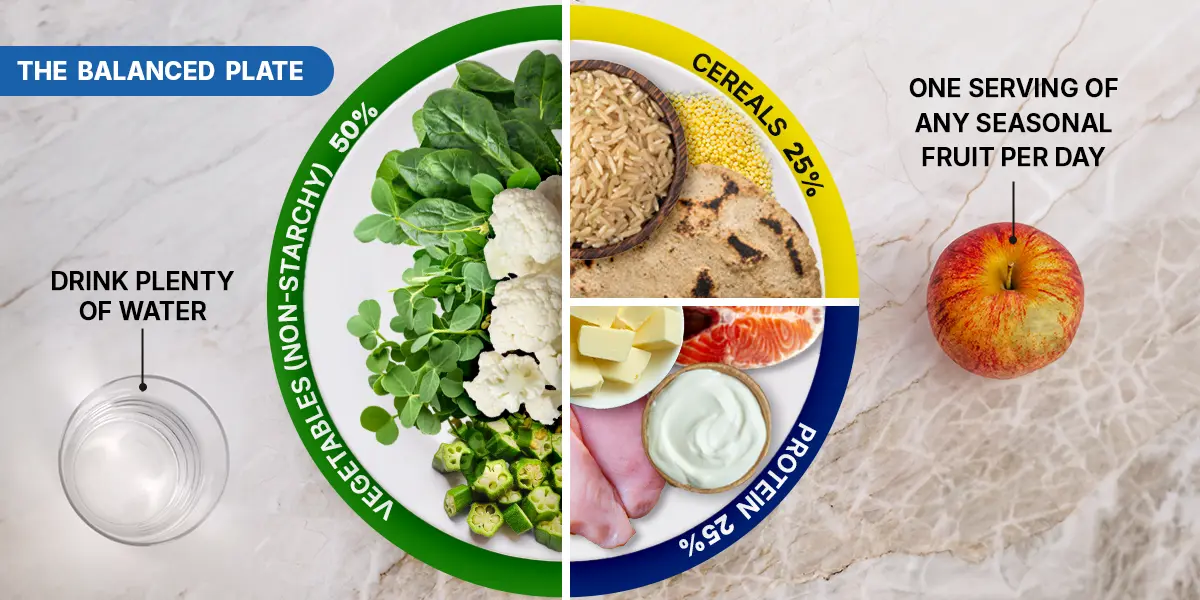
Lean meats like chicken, turkey, or fish are ideal for lunch and dinner. Grilled or baked options keep meals healthy. Plant-based proteins such as beans, lentils, and tofu are good alternatives. Add quinoa or brown rice for extra fiber. Include plenty of vegetables to balance your plate.
Healthy Snacks
Choose protein-rich snacks to avoid hunger between meals. Nuts and seeds are easy and portable. Hard-boiled eggs provide a quick protein boost. Low-fat cheese sticks or hummus with veggies are tasty options. These snacks help maintain energy and prevent overeating later.
Common Mistakes To Avoid
Starting a high-protein diet for fat loss can be very helpful. Many make mistakes that slow progress or cause problems. Avoiding these common errors helps keep your diet safe and effective. Focus on simple rules and clear goals to get the best results.
Overconsumption Risks
Eating too much protein can strain your kidneys. It may cause dehydration and digestive issues. Excess protein often turns into fat, which stops fat loss. Stick to the recommended daily amount for your body size. Balance is key to avoiding health problems.
Ignoring Balanced Nutrition
A high-protein diet is not only about protein. Your body needs fats, carbs, vitamins, and minerals too. Skipping other nutrients can cause fatigue and weakness. Include vegetables, fruits, and healthy fats in your meals. This keeps your body strong and supports fat loss.
Relying On Supplements Alone
Protein powders and shakes can help, but they are not enough. Whole foods provide more nutrients and keep you full longer. Do not replace all meals with supplements. Use them as a part of a balanced diet for the best results.
Credit: www.dietdoctor.com
Tracking Progress And Adjusting Intake
Tracking progress and adjusting protein intake are key to successful fat loss. Without tracking, it is hard to know if the diet works. Adjusting intake keeps your body fueled and supports muscle maintenance. This section explains how to set goals, monitor changes, and change protein based on activity.
Setting Realistic Goals
Set clear and achievable goals for fat loss. Avoid expecting fast results. Aim for steady weight loss of one to two pounds per week. Write down your goals and timelines. Realistic goals help keep you motivated and on track.
Monitoring Body Composition
Track body composition, not just weight. Measure muscle and fat changes using a scale or tape. Take photos regularly for visual progress. Body composition shows if you lose fat and keep muscle. This is more important than the number on the scale.
Adjusting Protein Based On Activity
Protein needs change with activity level. Increase protein on workout days to support muscle repair. Lower protein on rest days to avoid excess calories. Listen to your body’s hunger and energy. Adjust protein intake to match your daily activity and goals.
Frequently Asked Questions
What Is A Protein Diet For Fat Loss?
A high-protein diet for fat loss focuses on increasing protein intake. It helps build muscle and boosts metabolism. This diet reduces hunger and supports fat burning. It is effective for weight management and body composition improvement.
How Much Protein Should I Eat Daily To Lose Fat?
Aim for 1 2 to 2 2 grams of protein per kilogram of body weight daily. This range supports muscle preservation and fat loss. Adjust based on activity level and goals. Higher protein intake helps control appetite and enhances fat burning.
Can a Protein Diet Cause Weight Gain?
A high-protein diet itself does not cause weight gain. Excess calories from any source, including protein, can lead to weight gain. Protein helps build muscle and promotes fat loss when combined with a calorie deficit. Balance intake with overall calories.
What Are The Best Protein Sources For Fat Loss?
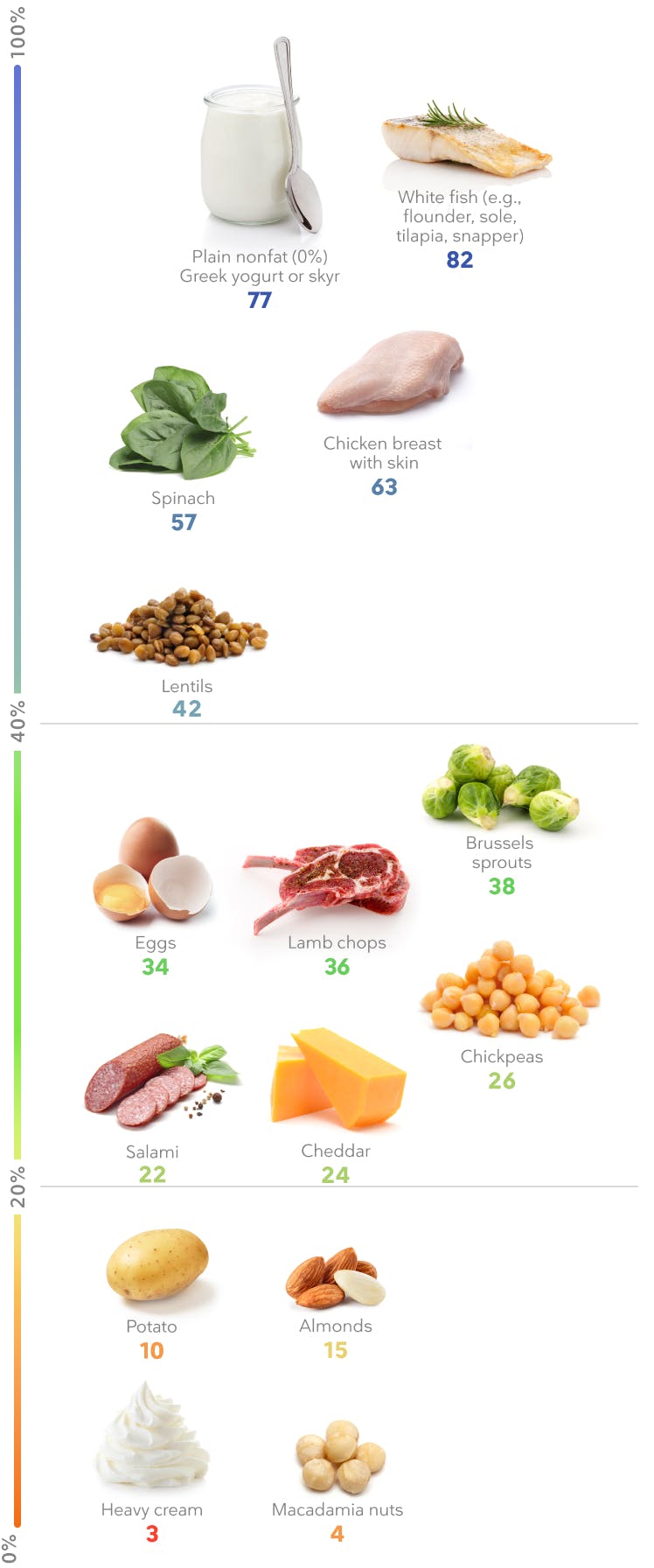
Lean meats like chicken, turkey, and fish are ideal. Eggs, low-fat dairy, legumes, and plant-based proteins also work well. These sources provide essential amino acids and promote satiety. Choose whole foods for better nutrition and fat loss results.
Conclusion
A high-protein diet helps burn fat and keep muscles strong. It can reduce hunger and help you eat less. Protein supports your body during exercise and recovery. Choose lean meats, beans, eggs, and dairy for good protein sources. Drink plenty of water and stay active.
Small changes add up over time. Stick with healthy habits for lasting fat loss and better health. Simple steps lead to big results. Start today and feel the difference.