

Choosing the right cooking oil can make a big difference in your heart health. You might not realize it, but the oils you use every day can either protect your heart or put it at risk.
What if you could enjoy delicious meals and take care of your heart at the same time? This article will help you discover the best heart-healthy cooking oils that taste great and support your well-being. Keep reading to find out how simple changes in your kitchen can lead to a healthier, happier heart.

Credit: www.heart.org
Benefits Of Heart-healthy Oils
Heart-healthy oils offer many benefits for your body. They help improve your heart’s health and lower the risk of heart disease. Using these oils in cooking supports overall wellness. These oils contain good fats that your body needs.
Impact On Cholesterol Levels
Heart-healthy oils help lower bad cholesterol (LDL). They raise good cholesterol (HDL) in your blood. This balance reduces the chance of clogged arteries. Oils like olive oil and canola oil are rich in healthy fats. These fats keep your blood vessels clear and flexible.
Reducing Inflammation
Some heart-healthy oils have anti-inflammatory properties. Chronic inflammation can damage your heart over time. Oils such as flaxseed and walnut oil contain omega-3 fatty acids. These fats help calm inflammation and protect your heart tissue.
Supporting Blood Pressure
Healthy oils help maintain normal blood pressure levels. They improve blood flow and reduce pressure on artery walls. Using oils like avocado oil supports healthy blood circulation. This lowers the risk of high blood pressure and heart strain.
Credit: nayeshamills.com
Top Cooking Oils For Heart Health
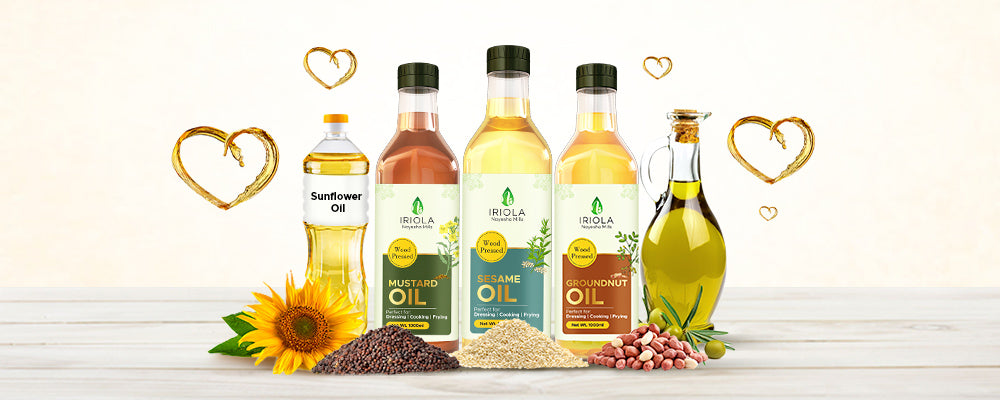
Choosing the right cooking oil helps keep your heart healthy. Some oils contain fats that support good cholesterol and reduce bad cholesterol. Using these oils in daily cooking can improve heart health over time.
Olive Oil
Olive oil is rich in monounsaturated fats. These fats help lower bad cholesterol and raise good cholesterol. It also contains antioxidants that protect the heart. Use extra virgin olive oil for salads and low-heat cooking.
Avocado Oil
Avocado oil has a high smoke point, making it ideal for frying and grilling. It is full of healthy fats that support heart function. It also contains vitamin E, which helps protect blood vessels.
Canola Oil
Canola oil has a good balance of omega-3 and omega-6 fats. These fats reduce inflammation and improve heart health. It has a mild flavor and works well in baking and sautéing.
Flaxseed Oil
Flaxseed oil is rich in omega-3 fatty acids. These help lower blood pressure and reduce heart disease risk. It is best used in dressings or added to foods after cooking.
Walnut Oil
Walnut oil contains omega-3 fats and antioxidants. These support healthy cholesterol levels and reduce inflammation. Use walnut oil in cold dishes or as a finishing oil for flavor.
How To Choose The Right Oil
Choosing the right cooking oil is key to a healthy heart. Different oils suit different cooking needs. Some oils hold heat well, while others offer more nutrients. Picking the best oil can improve your meals and support your health.
Smoke Point Considerations
Smoke point means the temperature oil starts to burn. Oils with high smoke points work well for frying and baking. Low smoke point oils are better for salads or light cooking. Using oil past its smoke point can create harmful compounds. Choose oil with a smoke point that matches your cooking style.
Nutrient Composition
Oils contain different fats and nutrients. Look for oils rich in unsaturated fats, like olive or canola oil. These fats help lower bad cholesterol. Some oils have omega-3 fatty acids, which protect the heart. Avoid oils high in saturated fats or trans fats, as they raise health risks.
Processing Methods
Oils can be processed in many ways. Cold-pressed or extra-virgin oils keep more nutrients intact. Refined oils have longer shelf life but fewer nutrients. Some processing uses chemicals to extract oil. Choosing less processed oils often means better quality and taste.
Cooking Tips With Healthy Oils
Using healthy oils in cooking improves heart health and adds great taste. Choosing the right oil for each dish helps keep meals both tasty and nutritious. Knowing how to store oils keeps them fresh and safe to use. Here are some tips to make the best use of heart-healthy oils.
Best Uses For Each Oil
Olive oil is perfect for salads and low-heat cooking. It adds a rich flavor and good fats. Avocado oil works well for high-heat cooking like frying. It has a high smoke point and mild taste. Walnut oil suits cold dishes and dressings. It has a delicate, nutty flavor. Flaxseed oil should be used only in cold dishes. It is sensitive to heat and loses nutrients quickly.
Combining Oils For Flavor And Health
Mixing oils can balance taste and health benefits. Use olive oil with a small amount of walnut oil in salads. This blend gives a rich flavor and omega-3 fats. Combine avocado oil with a bit of flaxseed oil in smoothies. It adds creaminess and heart-healthy nutrients. Experiment with small amounts to find the best mix for your meals.
Storage And Shelf Life
Store oils in cool, dark places away from heat. Light and heat make oils go bad faster. Keep bottles tightly closed to stop air from spoiling them. Use olive and avocado oils within six months after opening. Walnut and flaxseed oils last about three months. Check oils for off smells or strange tastes before use.
Common Mistakes To Avoid
Choosing heart-healthy cooking oils is important for good health. Mistakes in using these oils can reduce their benefits. Avoiding common errors helps keep your meals healthy and tasty.
Overheating Oils
Heating oils too much can damage their nutrients. It creates harmful compounds that affect your heart. Use oils with a high smoke point for frying or cooking at high heat. Keep the temperature low for oils with low smoke points.
Using Too Much Oil
Adding too much oil adds extra calories and fat. Even healthy oils can cause weight gain if overused. Measure the oil before cooking to control portions. Use sprays or brushes to spread oil evenly and thinly.
Ignoring Oil Quality
Low-quality oils may contain unhealthy fats or chemicals. Choose oils labeled cold-pressed or extra virgin for better quality. Store oils in cool, dark places to keep them fresh. Check expiration dates and avoid rancid oils for the best heart benefits.

Credit: www.youtube.com
Frequently Asked Questions
What Are The Best Oils For Heart-healthy Cooking?
Olive oil, avocado oil, and canola oil are excellent for heart health. They contain healthy monounsaturated fats that reduce bad cholesterol and improve heart function.
How Does Olive Oil Benefit Heart Health?
Olive oil is rich in antioxidants and monounsaturated fats. It lowers LDL cholesterol and inflammation, reducing the risk of heart disease.
Can Cooking Oils Affect Cholesterol Levels?
Yes, oils high in saturated fats raise LDL cholesterol. Choosing oils with unsaturated fats helps maintain healthy cholesterol and supports heart health.
Is Coconut Oil Good For Heart Health?
Coconut oil contains saturated fats that may raise LDL cholesterol. Use it sparingly and prefer oils with more unsaturated fats for heart benefits.
Conclusion
Choosing the right cooking oil supports a healthy heart. Oils like olive, canola, and avocado offer good fats. These fats help lower bad cholesterol and boost good cholesterol. Cooking with these oils can improve overall heart health. Small changes in your kitchen make a big difference.
Keep your meals tasty and heart-friendly every day. Simple swaps lead to lasting health benefits. Make smart oil choices to care for your heart.