

Your lungs work hard every second, yet many of us rarely think about how to keep them strong and healthy. What if simple breathing exercises could help you breathe easier, reduce stress, and boost your overall well-being?
Imagine feeling more energized and calm just by taking a few mindful breaths each day. You’ll discover easy and effective breathing techniques designed to support your lung health. Keep reading to find out how you can start improving your breathing right now—your lungs will thank you.
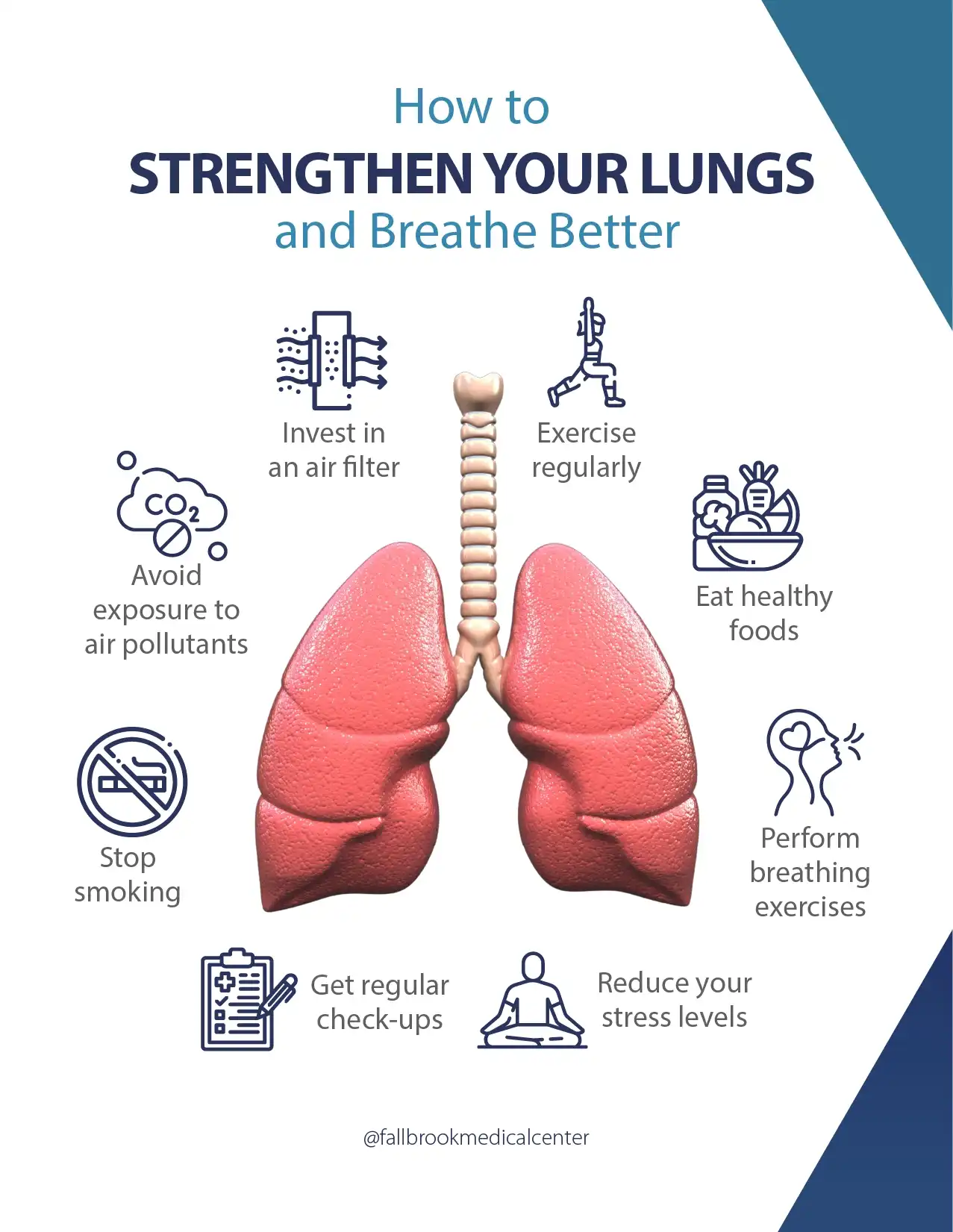
Credit: www.fallbrookmedicalcenter.com
Benefits Of Breathing Exercises
Breathing exercises offer many benefits for lung health and overall well-being. They help the lungs work better and support good breathing habits. Regular practice improves how your body uses oxygen and calms your mind. Simple breathing techniques can make a big difference in daily life.
Improving Lung Capacity
Breathing exercises help increase lung capacity over time. They train the lungs to hold more air with each breath. This leads to stronger lung muscles and better airflow. Improved lung capacity means easier breathing during activities like walking or climbing stairs. It also helps people with lung conditions breathe more comfortably.
Enhancing Oxygen Intake
Deep breathing allows more oxygen to enter the lungs. More oxygen in the blood means better energy and alertness. It helps all body parts work well and stay healthy. Proper oxygen intake supports the brain, heart, and muscles. Breathing exercises encourage slow, full breaths that maximize oxygen absorption.
Reducing Stress And Anxiety
Breathing exercises calm the nervous system and reduce stress. Slow, deep breaths help lower heart rate and relax muscles. This can ease feelings of anxiety and tension quickly. Practicing controlled breathing creates a sense of peace and focus. It is an easy way to manage stress anytime, anywhere.
Types Of Breathing Techniques
Breathing exercises help improve lung function and reduce stress. Different types of breathing techniques target the lungs in unique ways. Each technique offers specific benefits. Learning these can support better breathing and relaxation.
Diaphragmatic Breathing
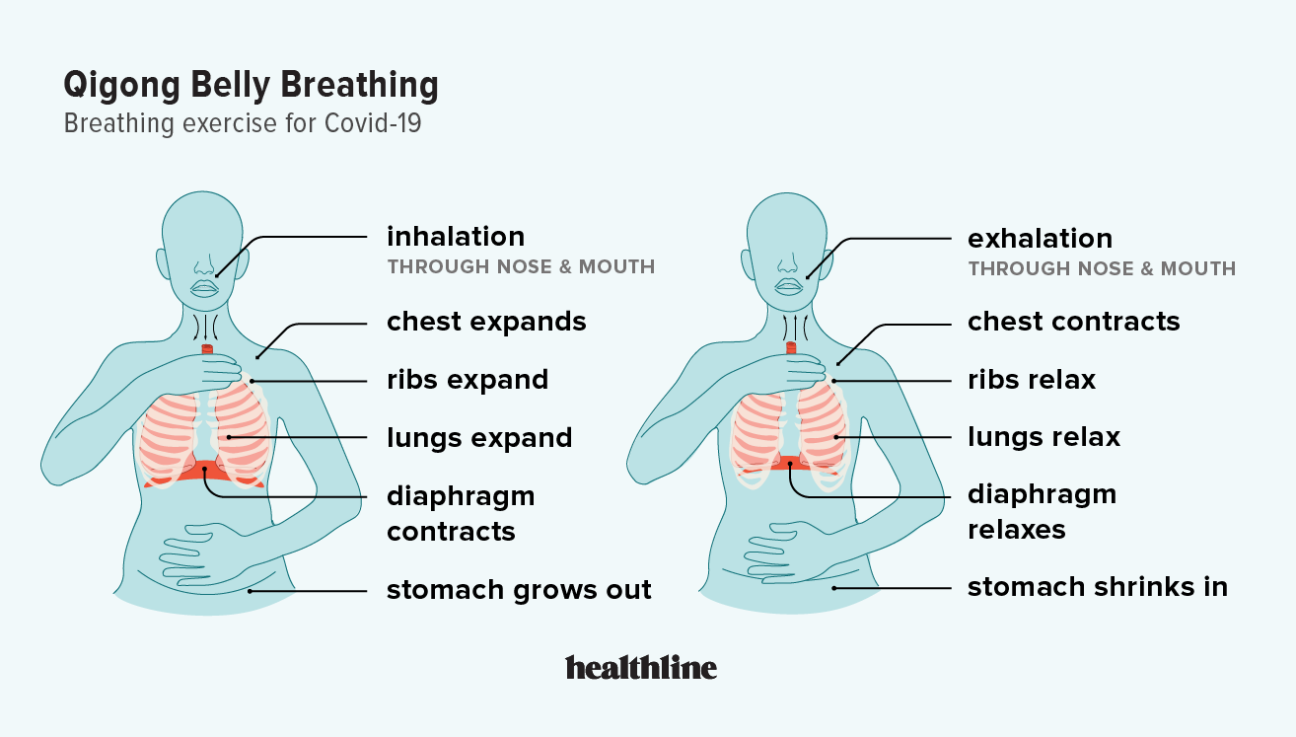
This technique focuses on deep breathing using the diaphragm. Breathe deeply through the nose, letting your belly rise. Exhale slowly through the mouth. It helps increase lung capacity and oxygen flow. It also strengthens the diaphragm muscle for easier breathing.
Pursed-lip Breathing
Breathe in slowly through the nose. Then exhale through lips pursed as if whistling. This method slows down breathing and keeps the airways open longer. It eases shortness of breath and improves airflow. Many people with lung conditions find relief using this method.
Box Breathing
Box breathing uses equal counts for each step. Inhale for four seconds, hold for four, exhale for four, and hold again for four. This technique calms the mind and body. It helps regulate breathing and reduces anxiety. Try to keep breaths smooth and steady.
Alternate Nostril Breathing
This practice involves breathing through one nostril at a time. Close one nostril and inhale slowly, then switch nostrils and exhale. Repeat the pattern several times. It balances oxygen levels and promotes relaxation. This method also clears nasal passages and improves focus.
Step-by-step Guide To Exercises
Breathing exercises strengthen the lungs and improve oxygen flow. These exercises are simple and can be done anywhere. Follow this step-by-step guide to practice four effective breathing techniques. Each method helps clear the airways and relax the mind.
How To Practice Diaphragmatic Breathing
Sit or lie down comfortably. Place one hand on your chest and the other on your belly. Breathe in slowly through your nose. Feel your belly rise while your chest stays still. Exhale slowly through your mouth, letting your belly fall. Repeat this for 5 to 10 minutes. Focus on deep, calm breaths.
Performing Pursed-lip Breathing Correctly
Relax your neck and shoulders. Inhale slowly through your nose for two seconds. Purse your lips like blowing out a candle. Exhale gently through your lips for four seconds. Make the exhale twice as long as the inhale. Repeat this for several minutes. This slows breathing and eases shortness of breath.
Mastering Box Breathing
Sit straight and breathe in through your nose for four seconds. Hold your breath for four seconds. Exhale slowly through your mouth for four seconds. Hold your breath again for four seconds. This completes one cycle. Repeat the cycle 4 to 5 times. This helps reduce stress and improve lung control.
Executing Alternate Nostril Breathing
Sit comfortably and use your right thumb to close your right nostril. Inhale slowly through the left nostril. Close the left nostril with your ring finger. Release the right nostril and exhale through it. Inhale through the right nostril. Close it again and exhale through the left. Repeat for 5 minutes. This balances breathing and calms the mind.
Tips For Effective Practice
Practicing breathing exercises properly improves lung health faster. Small changes make a big difference. Follow these tips to get the best results from your routine.
Choosing The Right Environment
Pick a quiet place with fresh air. Avoid noisy or crowded spots. Clean air helps your lungs work better. A calm space lets you focus on breathing deeply. Natural light can boost your mood and energy.
Setting A Consistent Routine
Practice at the same time each day. Consistency builds a strong habit. Start with short sessions, then slowly increase time. Regular practice strengthens lung capacity. Use reminders to keep yourself on track.
Combining Breathing With Physical Activity
Pair exercises with gentle movement like walking or yoga. Physical activity improves lung function and circulation. Breathing deeply during exercise helps oxygen flow. Start slow and listen to your body. This combo supports overall lung health.
Breathing Exercises For Specific Conditions
Breathing exercises can help improve lung health for many conditions. These exercises support better airflow and ease breathing difficulties. They also strengthen lung muscles and reduce stress on the respiratory system. Practicing specific techniques can offer relief and enhance lung function.
Support For Asthma And COPD
Asthma and COPD cause tight airways and shortness of breath. Breathing exercises like pursed-lip breathing slow down breathing and keep airways open longer. This reduces breathlessness and increases oxygen flow. Diaphragmatic breathing strengthens the main breathing muscle, helping the lungs work better. Regular practice can lower flare-ups and improve daily comfort.
Relief From Allergies And Sinus Issues
Allergies and sinus problems often block the nasal passages. Gentle nasal breathing exercises clear mucus and reduce swelling. Alternate nostril breathing balances airflow and calms the nervous system. These exercises ease congestion and help you breathe more freely. They also promote relaxation, which can reduce allergy symptoms.
Boosting Recovery After Respiratory Illness
After an illness, the lungs may feel weak and tired. Controlled deep breathing helps expand lung capacity and clears leftover mucus. Breath-holding exercises improve oxygen absorption and lung strength. Practicing these techniques speeds up recovery and restores normal breathing. They also prevent complications by keeping the lungs active.

Credit: www.health.harvard.edu
Tracking Progress And Staying Motivated
Tracking progress and staying motivated are key to improving lung health through breathing exercises. Keeping track helps you see small wins. These wins push you to keep going. Motivation grows when progress is visible. It also helps build a regular habit. This section shows easy ways to track and stay motivated.
Using Journals And Apps
Writing in a journal records your daily breathing exercises. Note how long and how often you practice. Journals show your improvements over time. Apps can remind you to exercise your lungs. They often track your sessions automatically. Some apps provide tips and feedback. Choose tools that are simple to use. This keeps tracking easy and fun.
Recognizing Physical And Mental Benefits
Notice changes in your breathing and energy levels. Breathing exercises can reduce stress and anxiety. You may feel calmer and more relaxed. Pay attention to how your chest and lungs feel. Improved lung capacity makes daily tasks easier. These benefits boost your motivation. Celebrate these positive changes to keep going.
Setting Realistic Goals
Start with small, clear goals for your breathing practice. For example, try five minutes a day. Gradually increase the time as you improve. Goals should be easy to reach but challenging enough. Clear goals help you focus and stay committed. Adjust your goals based on your progress. This keeps your practice realistic and rewarding.
Credit: www.healthline.com
Frequently Asked Questions
What Are The Best Breathing Exercises For Lung Health?
Deep breathing, diaphragmatic breathing, and pursed-lip breathing improve lung capacity. They enhance oxygen intake and strengthen respiratory muscles effectively.
How Often Should I Practice Breathing Exercises Daily?
Practice breathing exercises 2 to 3 times daily for 5 to 10 minutes. Consistency helps improve lung function and reduces breathlessness over time.
Can Breathing Exercises Help With Respiratory Diseases?
Yes, breathing exercises aid asthma, COPD, and bronchitis patients. They reduce symptoms, improve airflow, and boost overall lung efficiency.
How Do Breathing Exercises Improve Lung Capacity?
They expand lung alveoli and increase oxygen absorption. Regular practice strengthens the diaphragm and intercostal muscles, enhancing lung capacity.
Conclusion
Breathing exercises help keep your lungs healthy and strong. They improve oxygen flow and reduce stress. Doing them daily supports better lung capacity and overall wellness. Small steps, like deep breathing, make a big difference over time. Try to practice regularly for lasting benefits.
Your lungs will thank you with easier, clearer breaths. Simple habits create healthier lungs and a better life. Keep breathing deeply and enjoy the positive effects.