

Do you want your skin to look radiant and healthy every day? The secret might be closer than you think.
The right vitamins can do wonders for your skin, giving you that natural glow you’ve always wanted. Imagine waking up to smooth, bright, and youthful skin without relying on heavy makeup or expensive treatments. You’ll discover the best vitamins that can boost your skin’s glow from the inside out.
Keep reading to find out how simple changes can transform your complexion and help you shine with confidence.
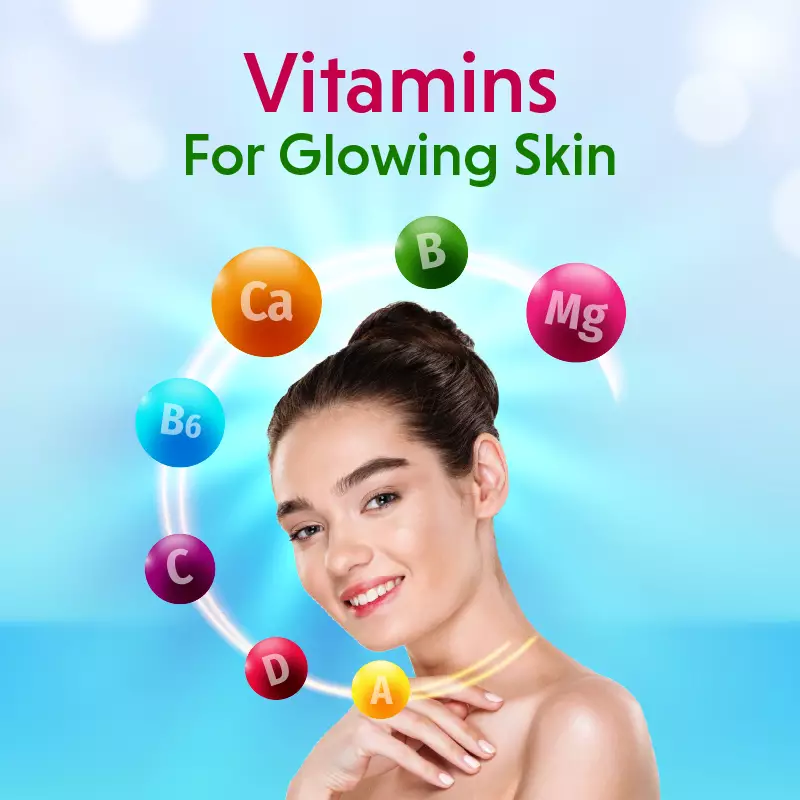
Credit: www.olivaclinic.com
Key Vitamins For Radiant Skin
Healthy skin needs good vitamins to stay radiant and fresh. Vitamins support skin repair, protect from damage, and keep moisture in. Knowing which vitamins help your skin glow guides you to better care.
Vitamin C For Brightness
Vitamin C brightens the skin and fights dullness. It helps produce collagen, the protein that keeps skin firm. This vitamin also protects skin from sun damage and pollution. Regular Vitamin C use can lead to a glowing, even skin tone.
Vitamin E And Skin Protection
Vitamin E acts as an antioxidant that guards skin cells. It reduces damage caused by free radicals from the environment. This vitamin helps keep skin soft and smooth. It also soothes dry or irritated skin.
Vitamin A And Cell Renewal
Vitamin A supports skin cell growth and repair. It helps remove old skin cells to reveal fresh, new ones. This vitamin improves skin texture and reduces fine lines. It is essential for maintaining youthful skin.
Vitamin D’s Role In Skin Health
Vitamin D supports the skin’s immune system and barrier function. It helps heal skin and reduce inflammation. Sunlight helps the body make Vitamin D naturally. This vitamin is important for healthy, balanced skin.
B Vitamins For Hydration And Glow
B vitamins keep skin hydrated and reduce redness. They improve the skin’s ability to retain moisture. These vitamins also help reduce acne and brighten skin tone. B vitamins contribute to a healthy and glowing complexion.
Natural Sources Of Skin-boosting Vitamins
Natural vitamins help your skin look healthy and bright. Eating the right foods gives your skin the nutrients it needs. These vitamins protect your skin and keep it soft.
Many fruits, vegetables, nuts, and grains contain these skin-loving vitamins. You can also get some vitamins from sunlight. Let’s explore where to find these natural sources.
Fruits Rich In Vitamin C
Vitamin C helps make collagen, which keeps skin firm. Oranges, strawberries, kiwi, and guava have lots of vitamin C. Eating these fruits daily can brighten your skin and reduce wrinkles.
Nuts And Seeds For Vitamin E
Vitamin E protects skin from damage and dryness. Almonds, sunflower seeds, and hazelnuts are great sources. Snack on these nuts to keep your skin soft and healthy.
Vegetables High In Vitamin A
Vitamin A repairs skin cells and fights acne. Carrots, sweet potatoes, and spinach are rich in vitamin A. Adding these veggies to your meals improves skin texture and glow.
Sunlight And Vitamin D
Your skin makes vitamin D when exposed to sunlight. This vitamin supports skin growth and repair. Spend a few minutes outside every day for natural vitamin D.
Whole Grains And B Vitamins
B vitamins help skin stay smooth and reduce redness. Brown rice, oats, and whole wheat contain many B vitamins. Eating whole grains supports healthy skin from within.
How Vitamins Improve Skin Appearance
Vitamins play a key role in skin health. They help the skin look bright and healthy. Each vitamin works in different ways to improve skin appearance. From boosting skin strength to calming redness, vitamins support many skin functions. Eating the right vitamins can make your skin glow naturally.
Collagen Production And Firmness
Some vitamins help the body make collagen. Collagen keeps skin firm and strong. Without enough collagen, skin can sag and wrinkle. Vitamin C is important for collagen growth. It supports skin elasticity and reduces signs of aging. Taking vitamin C helps keep skin tight and smooth.
Protection Against Free Radicals
Free radicals damage skin cells and cause aging. Antioxidant vitamins fight these harmful molecules. Vitamins E and C are strong antioxidants. They protect skin from pollution and sun damage. This protection helps skin stay youthful and fresh. Antioxidants also repair damaged skin cells.
Reducing Inflammation And Redness
Inflamed skin looks red and irritated. Certain vitamins reduce swelling and calm the skin. Vitamin B3 (niacinamide) lowers redness and soothes irritation. It helps skin heal faster and feel comfortable. Using these vitamins can improve the skin’s overall tone.
Enhancing Skin Hydration
Hydrated skin looks plump and healthy. Some vitamins help skin keep moisture. Vitamin E locks in hydration and softens skin. Vitamin A supports skin cell renewal and moisture balance. Well-hydrated skin feels smooth and less dry.
Promoting Even Skin Tone
Uneven skin tone can cause dark spots and patches. Vitamins can reduce discoloration and brighten skin. Vitamin C lightens dark spots and evens skin color. Vitamin B3 also improves skin tone and clarity. These vitamins help skin look clear and radiant.
Supplement Tips For Glowing Skin
Taking vitamin supplements can improve your skin’s glow. Choosing the right supplements and using them well is important. Small changes in how you take vitamins can make a big difference in your skin health.
Choosing Quality Vitamin Supplements
Pick supplements from trusted brands. Check for third-party testing to ensure purity. Avoid products with many fillers or artificial ingredients. Read labels carefully to know what you are buying.
Recommended Dosages For Skin Health
Follow the suggested dose on the package or from your doctor. Taking too little may not help your skin. Too much can cause harm. Stick to the right amount for best results.
Timing And Absorption Factors
Take vitamins with meals to improve absorption. Fat-soluble vitamins like A, D, E, and K need some fat to work well. Water-soluble vitamins like C and B work better on an empty stomach. Avoid taking many supplements at once.
Potential Side Effects To Watch
Some vitamins can cause side effects like upset stomach or headaches. Stop use if you feel sick and talk to a doctor. Do not ignore unusual skin reactions or other symptoms.
Combining Vitamins For Best Results
Some vitamins work well together, like vitamin C with E. Avoid taking high doses of similar vitamins at the same time. Balanced combinations help your skin shine without risks.
Lifestyle Habits To Boost Vitamin Benefits
Vitamins alone cannot give glowing skin. Good lifestyle habits help vitamins work better. These habits support skin health from the inside out. They improve nutrient absorption and skin repair. Follow these tips to boost the effects of vitamins.
Balanced Diet For Optimal Nutrition
Eating a variety of foods provides essential vitamins. Fruits, vegetables, whole grains, and proteins supply skin-friendly nutrients. Avoid processed foods that can harm your skin. A balanced diet helps your body absorb vitamins well. It supports overall skin health and glow.
Hydration’s Impact On Skin
Water keeps your skin hydrated and soft. Drinking enough water helps vitamins reach skin cells. It flushes out toxins that dull the skin. Proper hydration reduces dryness and improves skin texture. Aim to drink at least eight glasses of water daily.
Regular Exercise And Circulation
Exercise boosts blood flow to the skin. Better circulation delivers more oxygen and nutrients. This helps vitamins nourish your skin deeply. Sweating also removes impurities from pores. Try moderate exercise like walking or yoga regularly.
Adequate Sleep For Skin Repair
Sleep allows your skin to repair and regenerate. During sleep, vitamin activity increases in skin cells. Lack of sleep causes dullness and dark circles. Aim for seven to eight hours of restful sleep. Good sleep supports vitamin absorption and skin healing.
Avoiding Harmful Skin Exposures
Sun damage reduces vitamin effectiveness in the skin. Avoid excessive sun exposure and use sunscreen. Limit contact with pollution and harsh chemicals. These factors cause skin aging and vitamin depletion. Protecting skin helps vitamins maintain a healthy glow.

Credit: www.goodhousekeeping.com

Credit: www.goodhousekeeping.com
Frequently Asked Questions
What Vitamins Are Best For Glowing Skin?
Vitamins A, C, E, and B-complex are essential for glowing skin. They boost collagen, reduce wrinkles, and protect against damage. These vitamins also improve skin hydration and elasticity, giving a natural radiance.
How Does Vitamin C Improve Skin Glow?
Vitamin C promotes collagen production and fights free radicals. It brightens skin tone and reduces dark spots. This antioxidant also protects skin from sun damage, making it look healthy and vibrant.
Can Vitamin E Help With Skin Hydration?
Yes, vitamin E is a powerful moisturizer. It locks in skin moisture and reduces dryness. Its antioxidant properties also protect skin cells from damage, resulting in softer and glowing skin.
Are B Vitamins Important For Healthy Skin?
B vitamins, especially B3 and B7, improve skin texture and elasticity. They help reduce redness, acne, and inflammation. B vitamins support cell regeneration, promoting smooth and radiant skin.
Conclusion
Healthy skin needs the right vitamins daily. Vitamins like C, E, and A help keep skin bright and smooth. Drinking water and eating fresh fruits support your glow, too. Always choose natural sources over pills when you can. Remember, good skin takes time and care.
Stay patient and consistent. Your skin will thank you with a natural, healthy shine. Small changes make a big difference in your skin’s health. Start adding these vitamins to your routine today.