

Are you struggling to plan your meals and keep your energy up throughout the day? A balanced diet chart for breakfast, lunch, and dinner can be your game-changer.
Imagine feeling more focused, energized, and healthy simply by choosing the right foods at the right times. You’ll discover easy-to-follow meal ideas that fit your lifestyle and help you reach your health goals. Keep reading, and you’ll find simple steps to transform your daily eating habits without stress or confusion.

Credit: healthbeet.org
Essentials Of A Balanced Diet
A balanced diet is important for good health and energy. It means eating the right types and amounts of food. This helps the body obtain all the nutrients it needs to function properly. A balanced diet also supports growth, repair, and disease prevention.
Eating balanced meals at breakfast, lunch, and dinner keeps your body fueled and strong. Understanding the essentials of a balanced diet makes it easier to plan your meals. This section explains the key parts of a healthy eating plan.
Key Nutrients To Include
Include carbohydrates, proteins, fats, vitamins, and minerals in your meals. Carbohydrates give energy for daily activities. Proteins help build and repair muscles. Healthy fats support brain function and hormone balance. Vitamins and minerals keep your body systems working well. Water is also essential for hydration and digestion.
Portion Control Tips
Eat the right amount of food to avoid overeating. Use smaller plates to help control portions. Fill half your plate with vegetables and fruits. A quarter of your plate should be protein, and the rest carbohydrates. Listen to your hunger signals and stop eating when full.
Meal Timing And Frequency
Eat meals at regular times each day to maintain energy. Do not skip breakfast as it starts your metabolism. Space meals 3 to 4 hours apart to keep blood sugar stable. Include healthy snacks if meals are far apart. This helps avoid overeating at the next meal.
Crafting A Healthy Breakfast
Starting the day with a healthy breakfast sets a positive tone for your body and mind. It fuels your energy and helps you stay focused. A well-balanced breakfast supports your metabolism and keeps hunger away until lunch. Planning the right meals can make a big difference in your daily health.
Choose foods that provide nutrients and steady energy. Avoid heavy or sugary options that cause crashes later. Crafting a breakfast that suits your needs is simple with the right guidance.
Ideal Foods For an Energy Boost
Foods rich in protein and fiber give lasting energy. Whole grains like oats and whole wheat bread release energy slowly. Fruits add natural sugars and vitamins without spikes. Nuts and seeds provide healthy fats and protein. Eggs are a great source of protein and keep you full.
Sample Balanced Breakfast Ideas
Try oatmeal topped with berries and a handful of nuts. A vegetable omelet with whole-grain toast works well. Greek yogurt with fruit and a sprinkle of granola is tasty and filling. Smoothies with spinach, banana, and protein powder fuel your morning. Peanut butter on whole-grain bread with a banana is simple and quick.
Common Breakfast Mistakes To Avoid
Skipping breakfast leads to low energy and overeating later. Eating sugary cereals causes energy crashes. Heavy, fried foods slow you down. A missing protein makes you hungry sooner. Drinking only coffee or sugary drinks leaves you dehydrated and tired.
Planning A Nutritious Lunch
Planning a nutritious lunch helps keep energy levels steady throughout the day. A balanced meal supports focus and prevents afternoon slumps. Choosing the right foods matters for health and productivity. Simple choices can make lunch both tasty and wholesome.
Combining Proteins And Vegetables
Proteins help build and repair body tissues. They keep you full longer and maintain muscle strength. Vegetables provide vitamins, minerals, and fiber. Mixing proteins with vegetables creates a balanced meal. Examples include grilled chicken with steamed broccoli or chickpeas with spinach salad.
Healthy Carbohydrate Choices
Carbohydrates supply energy for daily activities. Choose whole grains like brown rice, quinoa, or whole wheat bread. These digest slowly and avoid blood sugar spikes. Avoid refined carbs such as white bread or sugary snacks. Healthy carbs improve digestion and support brain function.
Quick And Easy Lunch Options
Busy days need fast and healthy lunch ideas. Prepare salads with canned beans and fresh veggies. Wraps with lean meat and lettuce work well, too. Leftover grilled fish with a side of mixed greens saves time. Simple meals can be nutritious and ready in minutes.
Designing A Wholesome Dinner
Designing a wholesome dinner means choosing foods that nourish and satisfy. Dinner should help the body recover from the day’s activities. It also prepares you for a good night’s rest. A balanced dinner supports overall health and well-being.
Focus on meals that are easy to digest but provide enough energy. Choose ingredients that offer vitamins, minerals, and protein. Keep the portion size moderate to avoid feeling too full or hungry later.
Light But Filling Meals
Opt for meals that feel light but keep you full. Vegetables, lean proteins, and whole grains work well. Soups, salads with protein, or grilled fish with veggies are good choices. Avoid heavy fried foods or large portions of starchy sides.
Incorporating Healthy Fats
Healthy fats support brain health and keep you satisfied. Use olive oil, avocado, nuts, or seeds in your dinner. These fats help absorb vitamins from vegetables. Keep fat portions small to moderate for a balanced meal.
Dinner Recipes For Weight Management
Choose recipes that help control calorie intake without hunger. Grilled chicken with steamed broccoli and quinoa is ideal. Stir-fried tofu with mixed vegetables also works well. These meals offer nutrients and help maintain a healthy weight.
Snacks And Hydration
Snacks and hydration play a vital role in a balanced diet chart for breakfast, lunch, and dinner. Snacks help keep energy levels steady throughout the day. Proper hydration supports digestion and overall health. Both snacks and drinks should be chosen carefully to benefit the body and mind.
Smart Snack Choices
Choose snacks that provide nutrients, not just empty calories. Fresh fruits, nuts, and yogurt are good options. These foods give energy and keep hunger at bay. Avoid snacks high in sugar and unhealthy fats. Small portions of whole grains or vegetables also work well.
Importance Of Staying Hydrated
Water is essential for everybody’s function. Drinking enough water helps keep the skin clear and energy high. It aids digestion and removes toxins from the body. Aim to drink at least eight glasses of water daily. Thirst can be mistaken for hunger, causing overeating.
Beverages To Include And Avoid
Include water, herbal teas, and fresh fruit juices without added sugar. These drinks hydrate and provide vitamins. Avoid sugary sodas, energy drinks, and excessive caffeine. These can cause dehydration and energy crashes. Choose drinks that refresh without harming health.
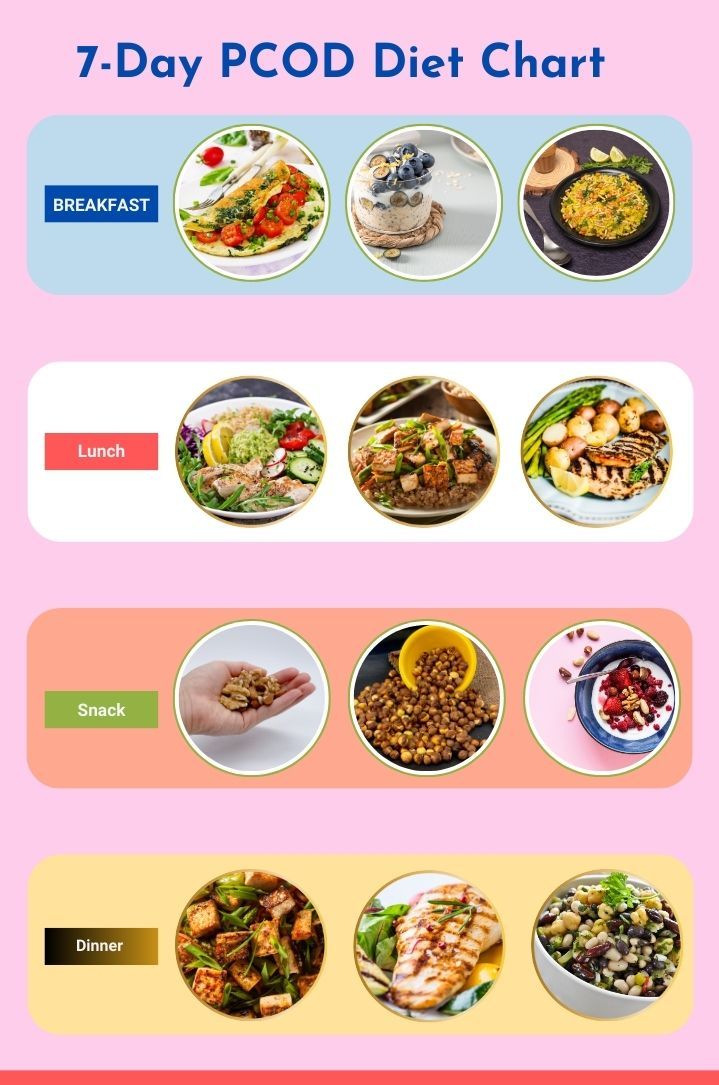
Credit: www.nanavatimaxhospital.org
Adapting The Diet To Lifestyle
Adapting a balanced diet chart for breakfast, lunch, and dinner to fit your lifestyle makes healthy eating easier. Each person’s daily routine, activity level, and health goals shape how they should eat. Customizing meals helps maintain energy and supports overall well-being.
Diet Tips For Active Individuals
Active people need more energy and nutrients. Include more protein for muscle repair and carbohydrates for fuel. Eat small meals often to keep energy steady. Hydrate well throughout the day. Don’t skip breakfast; it boosts metabolism and performance.
Adjusting Meals For Weight Goals
For weight loss, reduce calorie intake by cutting sugary and fatty foods. Focus on vegetables, lean proteins, and whole grains. For weight gain, increase healthy fats, proteins, and complex carbs. Portion control matters. Balance meals to avoid feeling hungry or overly full.
Considerations For Special Diets
People with allergies or conditions like diabetes need tailored diets. Select foods that meet their health needs and dietary restrictions. Vegetarians and vegans should find plant-based protein sources. Always plan meals to include essential vitamins and minerals. Consult a healthcare provider for personalized advice.

Credit: www.amazon.com
Frequently Asked Questions
What Is A Balanced Diet Chart For Breakfast, Lunch, And Dinner?
A balanced diet chart includes essential nutrients in each meal. It combines proteins, carbs, fats, vitamins, and minerals. Breakfast energizes, lunch refuels, and dinner aids recovery. This chart helps maintain overall health and supports weight management.
How To Plan A Nutritious Breakfast In A Balanced Diet?
Include protein, whole grains, fruits, and healthy fats in breakfast. Examples are eggs, oats, berries, and nuts. This meal boosts metabolism and provides energy for the day. Avoid sugary and processed foods for better health.
What Should A Balanced Lunch Contain For Optimal Health?
Lunch should have lean protein, complex carbs, and vegetables. Think grilled chicken, brown rice, and salad. This meal sustains energy and supports muscle repair. Hydrate well and limit fried or high-fat items.
Why Is Dinner Important In A Balanced Diet Chart?
Dinner replenishes energy and aids overnight muscle recovery. Include light proteins, veggies, and whole grains. Avoid heavy or greasy foods to promote better sleep. A balanced dinner supports digestion and overall well-being.
Conclusion
A balanced diet chart helps keep your body healthy and strong. Eating the right foods at breakfast, lunch, and dinner gives you energy all day. Simple meals with vegetables, fruits, proteins, and grains work best. Small changes in your daily eating can make a big difference.
Try to plan meals that suit your taste and needs. Healthy eating feels good and supports a better life. Remember, balance is key for long-term health and happiness. Start with small steps and enjoy the benefits.