

Are you struggling with mood swings, irregular periods, or low energy? Your hormones might be out of balance, and seed cycling could be the natural solution you’ve been searching for.
This simple, easy-to-follow method uses everyday seeds to help regulate your hormone levels and bring your body back into harmony. If you want to feel more in control of your health and boost your well-being, keep reading to discover how seed cycling works and how it can make a real difference for you.
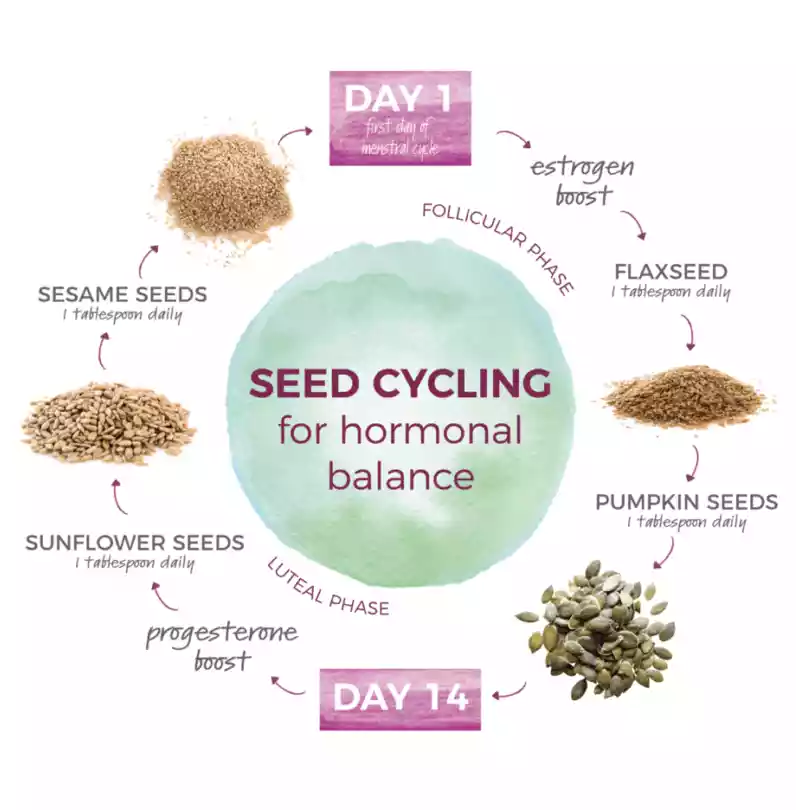
Credit: embracingnutrition.co.uk
What Is Seed Cycling
Seed cycling is a natural way to support hormone balance. It uses specific seeds eaten at different times of the menstrual cycle. These seeds contain nutrients that may help the body produce and regulate hormones.
The practice aims to help balance estrogen and progesterone. It is simple and involves eating small amounts of seeds in two phases. This method is popular among those who want to improve their hormonal health without medicine.
What Seeds Are Used In Seed Cycling?
Four types of seeds are used in seed cycling. Flaxseeds and pumpkin seeds are eaten in the first half of the cycle. Sunflower seeds and sesame seeds are eaten in the second half.
How Does Seed Cycling Work?
Seed cycling follows the menstrual cycle phases. The first phase is the follicular phase, when estrogen rises. The second phase is the luteal phase, when progesterone rises.
Eating the right seeds during each phase may support hormone production. Seeds contain lignans and fatty acids that influence hormone levels. This helps the body maintain better hormone balance naturally.
Who Can Benefit From Seed Cycling?
Seed cycling may help those with hormone imbalances. People with irregular periods, PMS, or menopause symptoms might find relief. It is gentle and safe for most women.
Consistency is important for seed cycling. It may take a few months to notice changes. It is a simple step anyone can add to their routine.
Seeds And Hormones
Seeds play a key role in balancing hormones naturally. They contain important nutrients that support hormone production and regulation. Including seeds in your diet can help maintain steady hormone levels.
Each type of seed offers unique benefits for different hormones. Understanding these can guide you in using seed cycling effectively for hormone balance.
Flaxseeds And Lignans
Flaxseeds are rich in lignans, plant compounds that affect estrogen levels. Lignans help balance estrogen by promoting healthy metabolism. They also support the liver in removing excess hormones. Eating flaxseeds regularly aids in managing estrogen-related symptoms.
Pumpkin Seeds And Zinc
Pumpkin seeds are a great source of zinc, a mineral vital for hormone health. Zinc supports progesterone production and helps reduce inflammation. It also plays a role in thyroid hormone regulation. Including pumpkin seeds can improve overall hormone function.
Sesame Seeds And Phytoestrogens
Sesame seeds contain phytoestrogens, plant-based compounds that mimic estrogen. These compounds gently balance estrogen levels in the body. They can ease symptoms of hormonal imbalance, such as hot flashes. Sesame seeds offer a natural way to support estrogen health.
Sunflower Seeds And Vitamin E
Sunflower seeds provide vitamin E, an antioxidant important for hormone balance. Vitamin E protects cells from damage and supports progesterone production. It may help reduce PMS symptoms and improve skin health. Adding sunflower seeds can enhance your hormone support routine.
How Seed Cycling Works
Seed cycling is a natural way to support hormone balance. It uses specific seeds during different parts of the menstrual cycle. These seeds contain nutrients that help the body produce and regulate hormones. This method works by supporting estrogen and progesterone, two key hormones in the cycle.
Follicular Phase Seeds
The follicular phase starts on the first day of the period and lasts about 14 days. During this phase, the body focuses on raising estrogen levels. Flaxseeds and pumpkin seeds are used in this phase. Flaxseeds contain lignans, which help balance estrogen. Pumpkin seeds provide zinc, which supports hormone production. Eating these seeds helps the body prepare for ovulation.
Luteal Phase Seeds
The luteal phase begins after ovulation and lasts until the next period. Progesterone is the main hormone during this time. Sunflower seeds and sesame seeds are best for this phase. Sunflower seeds have vitamin E, which supports progesterone levels. Sesame seeds also contain lignans that help balance hormones. These seeds help the body maintain hormone balance before the period starts again.
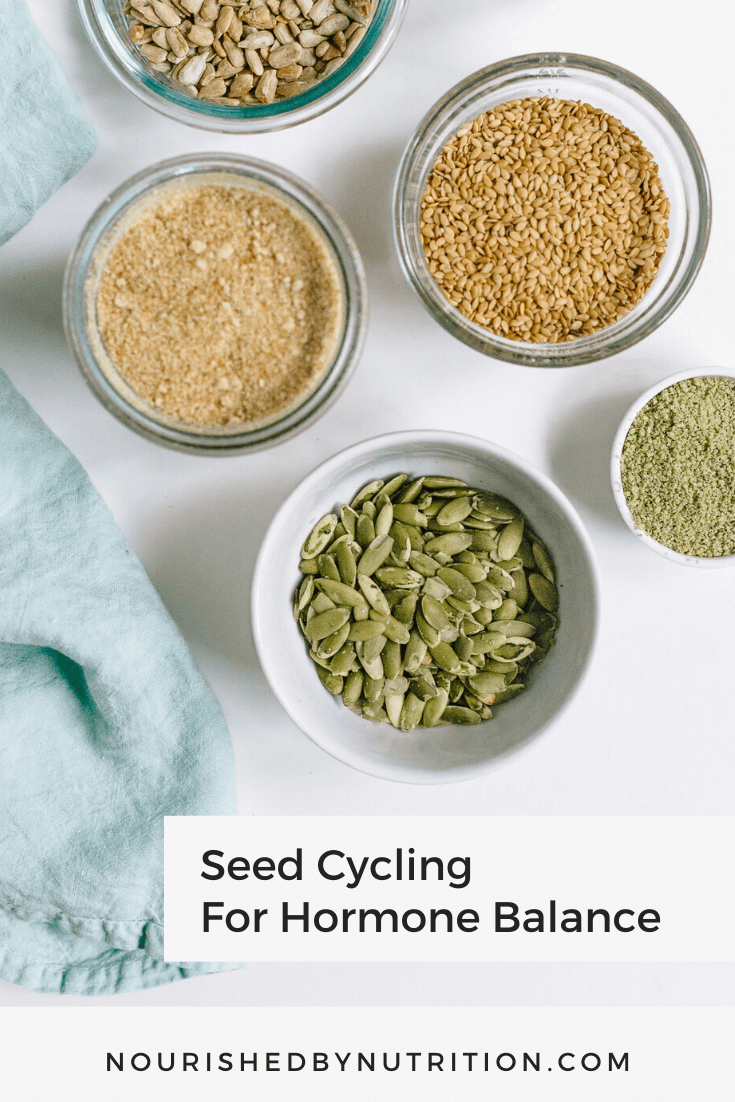
Credit: nourishedbynutrition.com
Benefits Of Seed Cycling
Seed cycling is a natural way to support hormone health. It uses specific seeds at different times in the menstrual cycle. This practice helps guide the body to balance its hormones naturally. Many women find relief and support through seed cycling. Here are some key benefits that make this method popular.
Balancing Estrogen Levels
Seed cycling helps manage estrogen by using seeds rich in nutrients. Flaxseeds and pumpkin seeds are known to support healthy estrogen levels. These seeds contain lignans and fatty acids that may help remove excess estrogen. Balancing estrogen is important for mood, skin, and overall health.
Supporting Progesterone Production
Sunflower and sesame seeds help boost progesterone naturally. These seeds provide zinc and other minerals needed for hormone production. Higher progesterone levels ease menstrual cycles and improve mood. This support can reduce hormone imbalances and promote calmness.
Reducing PMS Symptoms
Many women face mood swings, cramps, and fatigue before their periods. Seed cycling can ease these common PMS symptoms. The nutrients in the seeds reduce inflammation and balance hormones. This leads to less pain and better emotional well-being each month.
Enhancing Fertility
Fertility depends on balanced hormones and healthy ovulation. Seed cycling nourishes the body with key vitamins and minerals. This helps regulate the menstrual cycle and supports egg quality. Women trying to conceive may find seed cycling a gentle, natural aid.
Incorporating Seed Cycling
Incorporating seed cycling into your daily routine helps balance hormones naturally. This method uses specific seeds during different phases of your menstrual cycle. Seeds provide nutrients that support hormone production and regulation.
Starting seed cycling is simple and fits well into most diets. Consistency is key to seeing benefits. Small changes can make a big difference over time.
Timing And Dosage
Seed cycling follows your menstrual cycle. Use flax and pumpkin seeds during the first 14 days. These seeds support estrogen production. For days 15 to 28, switch to sunflower and sesame seeds. These promote progesterone balance.
Take one to two tablespoons of each seed daily. Grind seeds for better digestion. Consume seeds with meals or smoothies for easy intake.
Easy Recipes
Add ground seeds to yogurt or oatmeal. Mix seeds into a salad or soup. Blend seeds into smoothies with fruits and vegetables. Make energy balls with seeds, nuts, and honey. These recipes make seed cycling enjoyable and simple.
Tips For Consistency
Keep seeds in clear containers for easy access. Measure seeds ahead to save time. Set reminders to take your seeds daily. Pair seed cycling with other healthy habits. Track your cycle and seed intake in a journal.
Who Should Try Seed Cycling
Seed cycling is a simple and natural way to support hormone balance. It uses specific seeds to help regulate the menstrual cycle and improve overall wellness. This method suits different groups of people who want to manage their hormones naturally.
Women With Hormonal Imbalances
Women with hormonal imbalances may benefit from seed cycling. It helps to balance estrogen and progesterone levels. Many women notice fewer mood swings and better energy. Seed cycling supports the body’s natural rhythm without harsh chemicals.
Those Facing Menstrual Irregularities
Menstrual irregularities can cause stress and discomfort. Seed cycling offers a gentle way to encourage a regular cycle. It may reduce symptoms like cramps and heavy bleeding. Many find it easier to predict their periods and feel more in control.
Individuals Seeking Natural Wellness
People who prefer natural health methods may try seed cycling. It is easy to follow and uses everyday foods. Seed cycling supports hormone health without medication. This method fits well with a balanced lifestyle and healthy eating habits.
Potential Limitations
Seed cycling is a popular natural method for hormone balance. It uses specific seeds in different phases of the menstrual cycle. Many find it helpful, but it has limits. Knowing these limits helps set clear expectations.
Scientific Evidence Status
Scientific proof for seed cycling is limited. Few studies directly test its effects on hormones. Most support comes from personal stories and traditional uses. Researchers need more data to confirm the benefits. This means results can vary between individuals.
Possible Allergies
Seeds can cause allergies in some people. Common seeds like flax, pumpkin, and sesame may trigger reactions. Symptoms include itching, swelling, or breathing issues. Always check for allergies before starting seed cycling. Start with small amounts to watch for any problems.
Consulting Healthcare Providers
Talking to a doctor is important before starting seed cycling. Especially for those with health conditions or taking medicines. A healthcare provider can give advice based on personal health needs. They help avoid risks and ensure seed cycling fits well in your routine.
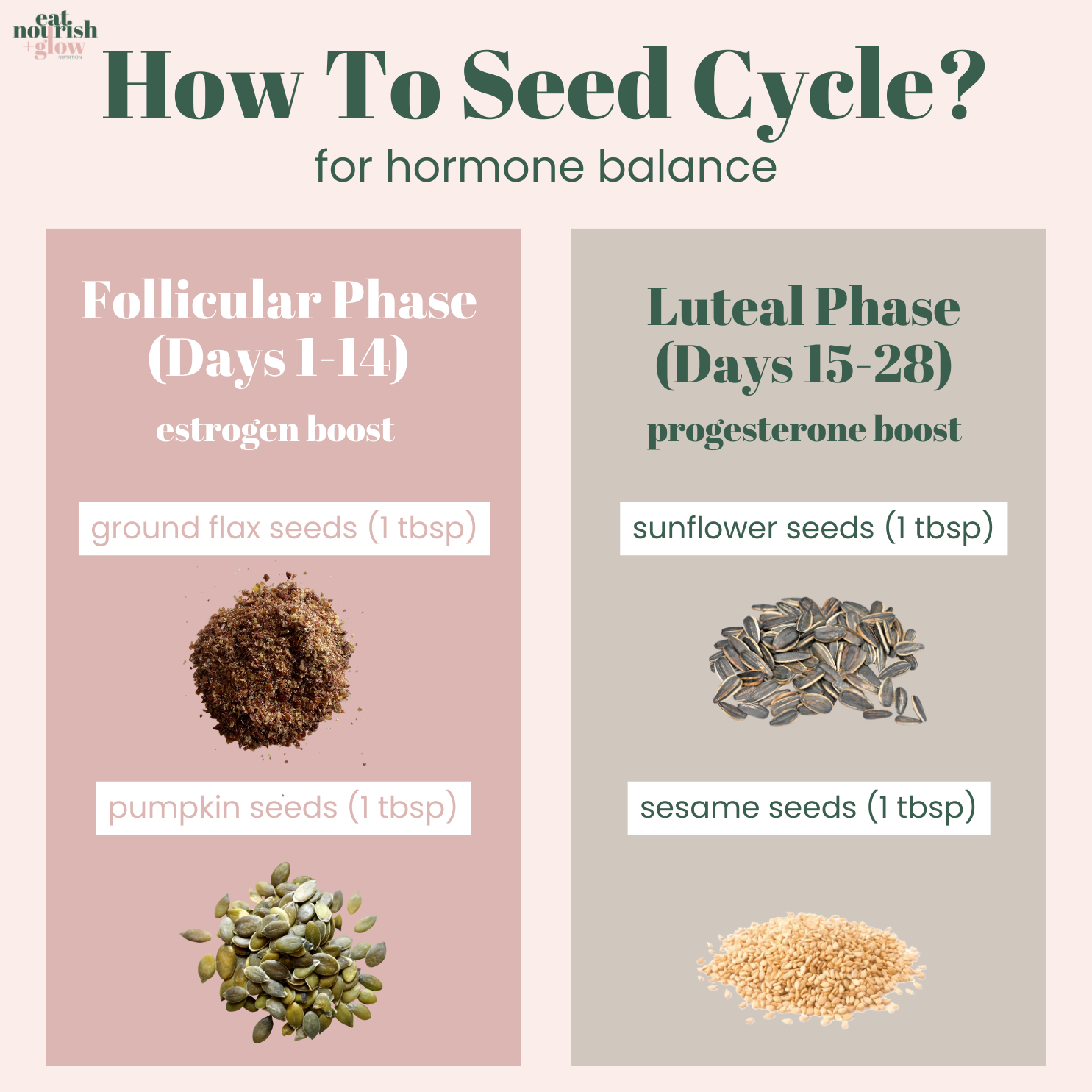
Credit: www.eatnourishandglow.com
Frequently Asked Questions
What Is Seed Cycling For Hormone Balance?
Seed cycling is a natural method using specific seeds to support hormone regulation. It involves eating flax, pumpkin, sesame, and sunflower seeds during different menstrual phases to balance estrogen and progesterone levels.
How Does Seed Cycling Improve Hormone Health?
Seed cycling provides essential fatty acids and lignans that promote hormone production and metabolism. This can help reduce symptoms of hormonal imbalances like PMS and irregular cycles.
Which Seeds Are Used In Seed Cycling?
Flax and pumpkin seeds are used in the follicular phase. Sesame and sunflower seeds are consumed during the luteal phase to support progesterone production.
How Long Does Seed Cycling Take To Work?
Most people notice hormone balance improvements within 1 to 3 months of consistent seed cycling. Effects vary based on individual health and hormone levels.
Conclusion
Seed cycling supports natural hormone balance through simple diet changes. Using specific seeds at different cycle phases helps your body regulate hormones. This method is gentle and easy to follow every month. Many find relief from mood swings and irregular cycles by trying seed cycling.
It’s a natural way to support your body’s rhythm. Give your hormones a chance to find balance with this approach. Small steps can lead to better well-being over time. Why not try seed cycling and see how you feel?