

Are headaches disrupting your day and making it hard to focus? You’re not alone, and finding relief can sometimes feel like a challenge.
What if a simple, natural solution is right within your reach? Peppermint oil has gained attention for its potential to ease headache pain quickly and effectively. You’ll discover how this refreshing oil works, why it might be the answer you’ve been searching for, and how to use it safely to regain control over your comfort.
Keep reading to learn how peppermint oil could change the way you handle headaches for good.
Why Peppermint Oil Helps Headaches
Peppermint oil has been used for centuries to ease headaches. Its natural properties target the root causes of pain. Understanding why peppermint oil helps headaches reveals how it works on the body.
The oil contains special compounds that reduce pain and discomfort. It also affects the way the brain receives pain signals. Plus, peppermint oil creates a cooling feeling that relaxes tight muscles.
Active Compounds In Peppermint Oil
Peppermint oil contains menthol and menthone. Menthol is the main compound that soothes pain. It helps open blood vessels and improves blood flow. This action reduces pressure in the head, easing headache pain.
How It Affects Pain Signals
Menthol blocks certain nerve signals that send pain messages. This reduces the intensity of headache pain. The oil works on the nerves in the skin and muscles. It lowers the brain’s response to pain, making headaches less severe.
Cooling Sensation And Muscle Relaxation
Peppermint oil creates a cool, refreshing feeling on the skin. This cooling effect calms muscle tension around the head and neck. Relaxed muscles reduce pressure and prevent headaches from worsening. The soothing sensation also helps you feel calm and refreshed.

Credit: www.amazon.com
Types Of Headaches Treated
Peppermint oil is a natural remedy often used to ease different types of headaches. Its cooling effect helps relax muscles and reduce pain. Many people find relief from headaches by applying peppermint oil to their temples or forehead. Below are the main types of headaches that peppermint oil can help treat.
Tension Headaches
Tension headaches cause tightness and pressure around the head. These headaches often start from stress or muscle strain. Applying peppermint oil can relax the muscles and ease the tension. The cooling sensation also helps calm the pain quickly.
Migraines
Migraines are intense headaches with throbbing pain, often on one side of the head. They can cause nausea and sensitivity to light. Peppermint oil may reduce migraine pain by improving blood flow and calming nerves. Many migraine sufferers use it as a natural pain relief method.
Sinus Headaches
Sinus headaches happen when sinuses become inflamed or blocked. This causes pressure around the forehead, cheeks, and eyes. Peppermint oil can help open nasal passages and reduce sinus pressure. Its anti-inflammatory properties ease the headache and improve breathing.
Methods Of Using Peppermint Oil
Peppermint oil offers several ways to help relieve headaches. It can be applied directly to the skin, inhaled, or combined with other natural remedies. Each method brings unique benefits and suits different preferences. Understanding these methods helps you use peppermint oil safely and effectively.
Topical Application Techniques
Apply peppermint oil on your forehead and temples for quick relief. Dilute it with a carrier oil like coconut or jojoba oil. This prevents skin irritation. Use gentle circular motions to massage the oil. Avoid contact with eyes and sensitive areas. Repeat as needed, but do not overuse.
Aromatherapy Benefits
Inhale peppermint oil to clear your mind and ease headache pain. Use a diffuser to spread the scent in your room. Alternatively, place a few drops on a tissue or cloth. Take slow, deep breaths for several minutes. The refreshing aroma helps reduce tension and improve focus.
Combining With Other Remedies
Mix peppermint oil with lavender or eucalyptus oil for enhanced relief. These oils work well together to calm nerves and reduce pain. Use the blend in a diffuser or for a massage. Pair peppermint oil with a cold compress on your forehead. This combination soothes and cools inflamed areas quickly.

Credit: www.thestewartcenterforoptimalhealth.com
Safety And Precautions
Peppermint oil is popular for easing headaches. Many enjoy its cooling effect and quick relief. Yet, safety should come first. Using peppermint oil the right way helps avoid problems. This section explains how to use it safely and what to watch for.
Proper Dilution Guidelines
Always dilute peppermint oil before applying it to skin. Use a carrier oil like coconut or almond oil. Mix 1 to 3 drops of peppermint oil with 1 teaspoon of carrier oil. Undiluted peppermint oil can cause skin burns or irritation. Test a small skin area first. Wait 24 hours to check for any reaction.
Possible Side Effects
Some people may feel skin irritation or redness. A burning or itching feeling can happen, too. Breathing peppermint oil in large amounts may cause coughing or wheezing. Avoid contact with eyes and sensitive areas. Stop using peppermint oil if you notice any unusual symptoms.
When To Avoid Peppermint Oil
Children under six years old should not use peppermint oil. Pregnant and breastfeeding women should ask a doctor first. People with allergies or sensitive skin should avoid it. Avoid using peppermint oil near broken or damaged skin. If you have a medical condition, consult a healthcare provider before use.
Scientific Studies And Evidence
Peppermint oil is widely used for headache relief. Scientific studies help us understand how well it works. These studies test its effects and compare it with other treatments. They also include real user feedback. Let’s explore the evidence about peppermint oil for headaches.
Clinical Trials On Headache Relief
Several clinical trials have tested peppermint oil on headache patients. Most trials used peppermint oil applied to the forehead and temples. Results showed significant pain reduction within minutes. Some studies found peppermint oil to be as effective as common painkillers. The cooling sensation of menthol in peppermint helps relax muscles. This reduces tension and eases headache pain.
Comparisons With Conventional Treatments
Researchers compared peppermint oil with medicines like ibuprofen and acetaminophen. Peppermint oil showed similar pain relief for tension headaches. It caused fewer side effects than some medicines. Peppermint oil offers a natural alternative for people avoiding drugs. It works best in mild to moderate headache cases. Severe headaches may still need stronger treatments.
User Experiences And Testimonials
Many users report fast relief after applying peppermint oil. They say it calms their headache without drowsiness or discomfort. People like its fresh scent and cooling effect. Some use peppermint oil along with other treatments for better results. User stories support scientific findings on peppermint’s benefits. Many keep peppermint oil on hand for sudden headaches.
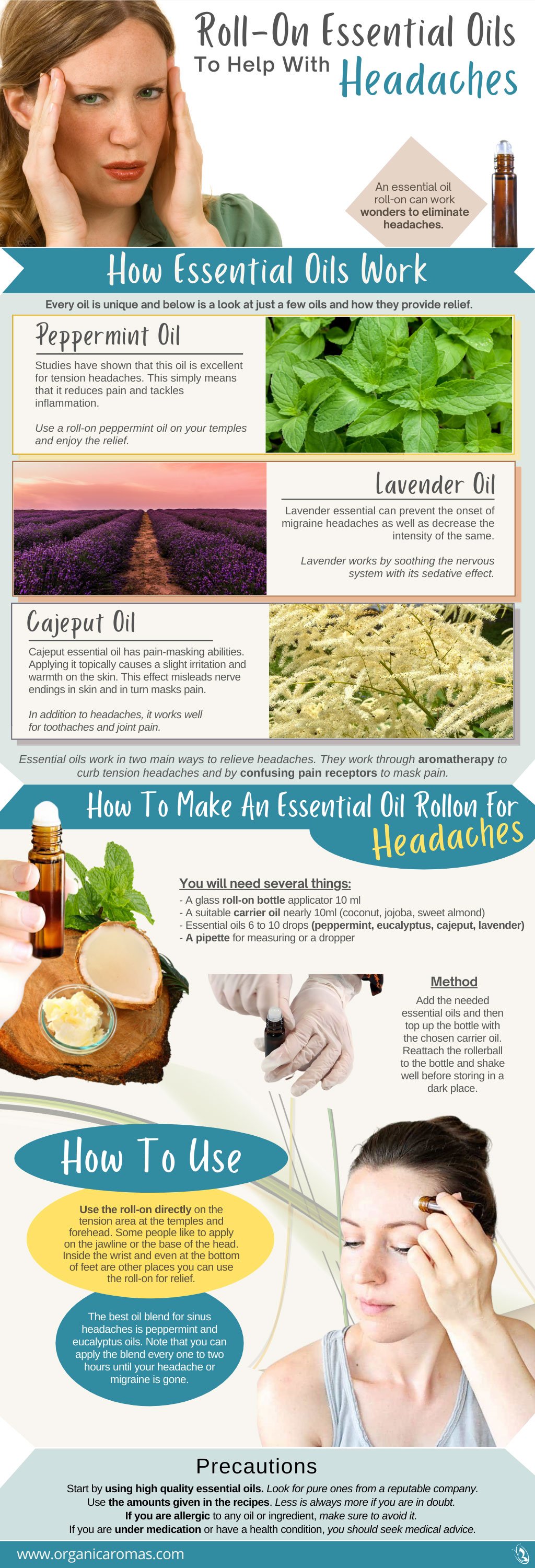
Credit: organicaromas.com
Choosing Quality Peppermint Oil
Choosing quality peppermint oil is important for easing headaches effectively. Poor-quality oils may not work well or can cause skin irritation. Knowing how to find pure and potent peppermint oil helps you get the best results safely.
It also saves money by avoiding fake or diluted products. Quality peppermint oil smells fresh and strong. It should come from trusted sources that test their oils carefully.
Identifying Pure Essential Oils
Pure peppermint oil contains no added fillers or synthetic ingredients. Check the label for terms like “100% pure” or “therapeutic grade.”
Look for Latin names such as Mentha piperita on the bottle. Avoid oils with vague terms like “fragrance” or “perfume.”
Test the scent. Real peppermint oil has a sharp, cooling smell. If it smells weak or sweet, it might be mixed with other oils.
Recommended Brands
Some brands test their peppermint oils in labs for purity. They provide clear information on where and how the oil is made.
Brands with good reviews and transparent sourcing are safer choices. Choose oils from companies that do not use pesticides or chemicals in growing their plants.
Smaller brands that focus on quality over quantity often offer better oils. Buy from sellers who answer questions about their products openly.
Storage Tips To Maintain Potency
Peppermint oil lasts longer if stored in dark glass bottles. Keep the bottle tightly closed after use to avoid evaporation.
Store the oil in a cool, dry place away from sunlight. Heat and light break down the oil and reduce its strength.
Do not store peppermint oil near heat sources like stoves or windows. Proper storage keeps the oil fresh and effective for headaches.
Frequently Asked Questions
What Are The Benefits Of Peppermint Oil For Headaches?
Peppermint oil helps relieve headache pain by relaxing muscles and improving blood flow. It has a cooling effect that soothes tension and reduces migraine symptoms naturally.
How Do You Apply Peppermint Oil For Headache Relief?
Dilute peppermint oil with a carrier oil and apply it to the temples and forehead. Gently massage for quick absorption and fast headache relief. Avoid contact with the eyes.
Is Peppermint Oil Safe For All Types Of Headaches?
Peppermint oil is generally safe for tension headaches and migraines. However, consult a doctor if you have sensitive skin or other medical conditions before use.
Can Peppermint Oil Prevent Headaches From Occurring?
Regular use of peppermint oil may reduce headache frequency by easing stress and muscle tension. It is best combined with lifestyle changes for lasting prevention.
Conclusion
Peppermint oil offers a natural way to ease headache pain. Its cooling effect can help relax tense muscles. Many find relief by applying it to the temples or forehead. Using peppermint oil is simple and safe for most people. Always test a small area first to avoid skin irritation.
Remember, it’s a helpful option but not a cure-all. For persistent headaches, consult a healthcare professional. Try peppermint oil and see if it brings you comfort. Small steps can make a big difference in managing headaches.