

Are you curious about using essential oils but worried about doing it the right way? You’re not alone.
Essential oils can bring amazing benefits, from calming your mind to boosting your energy. But if you don’t use them safely, they might cause unwanted side effects. This guide will show you simple, clear steps to enjoy essential oils without any risks.
Keep reading to discover how you can make the most of these powerful natural oils while protecting your health and well-being. Your safe journey with essential oils starts here!
Choosing Quality Essential Oils
Choosing quality essential oils is key to safe and effective use. Poor-quality oils may cause skin irritation or offer little benefit. High-quality oils provide true aromatherapy benefits. Learn how to spot pure oils and avoid synthetic ones.
Spotting Pure Oils
Pure essential oils come from natural plants. They have a strong, fresh smell. Check the label for Latin plant names, like Lavandula angustifolia for lavender. Avoid vague terms like “fragrance” or “perfume.” Pure oils usually list the country of origin. Check for batch numbers and expiration dates. These details show product care and freshness.
Avoiding Synthetic Products
Synthetic oils are made from chemicals, not plants. They may smell similar but lack healing properties. Some synthetic oils can cause allergic reactions. Avoid products that say “fragrance oil” or “perfume oil.” These often contain artificial ingredients. Choose oils labeled 100% pure or therapeutic grade. These labels mean the oil is natural and safe.
Trusted Brands To Consider
Buy essential oils from brands with good reputations. Look for companies that share testing results. Third-party testing ensures purity and safety. Brands offering detailed information about sourcing and production are more reliable. Read customer reviews to check product quality. Trusted brands help you avoid fake or low-quality oils.
Credit: www.urbanhello.com
Proper Dilution Techniques
Proper dilution techniques are essential for safe essential oil use. Essential oils are strong and can irritate the skin if not diluted. Dilution lowers the risk of skin reactions and makes the oil last longer. It also helps the oil absorb better into the skin.
Carrier Oils To Use
Carrier oils mix with essential oils to dilute them safely. Common carrier oils include coconut oil, jojoba oil, and sweet almond oil. These oils are gentle on the skin and help spread the essential oil evenly. Choose a carrier oil based on your skin type and scent preference.
Dilution Ratios For Different Uses
Dilution ratios depend on how you plan to use the oils. For adults, a 2% dilution is safe for daily skin use. This means 12 drops of essential oil per ounce of carrier oil. For children or sensitive skin, use a 1% dilution or less. Avoid strong dilutions for the face or sensitive areas.
Why Dilution Matters
Dilution protects your skin from burns and irritation. Undiluted oils can cause redness, itching, or worse reactions. Dilution also helps the body absorb the oil more easily. It makes your essential oil experience safer and more pleasant.
Safe Application Methods
Essential oils offer many benefits, but must be used safely to avoid harm. Knowing the right ways to apply them protects your skin and health. Safe application methods help you enjoy essential oils without risks.
Topical Use Guidelines
Always dilute essential oils before applying to skin. Use a carrier oil like coconut or almond oil. A good rule: 1-2 drops of essential oil per teaspoon of carrier oil. Test a small skin patch first to check for allergies. Avoid using undiluted oils directly on skin. Apply gently and avoid rubbing harshly. Store diluted oils in dark glass bottles to keep them fresh.
Aromatherapy Tips
Use essential oils in diffusers for safe inhalation. Add a few drops to water or a diffuser pad. Keep the room ventilated to prevent strong buildup. Limit sessions to 30-60 minutes to avoid irritation. Never place oils directly on skin or eyes when inhaling. Pregnant women and children should use milder oils and smaller amounts.
Avoiding Sensitive Areas
Keep essential oils away from eyes, ears, and mucous membranes. Avoid applying oils to broken or damaged skin. Do not use near sensitive areas like the genitals or inside the nose. These zones can react strongly and cause pain or damage. Always wash your hands after applying oils to prevent accidental contact.

Credit: www.amazon.com
Potential Allergies And Reactions
Essential oils offer many benefits, but can cause allergies or skin reactions. These reactions may range from mild irritation to serious problems. Understanding potential allergies helps you stay safe and enjoy essential oils properly.
Some people have sensitive skin or allergies to certain oils. Testing oils before full use lowers the risk of reactions. Watch your body’s signals carefully when using new oils.
Performing Patch Tests
Apply a small drop of diluted essential oil on your inner arm. Cover the spot with a bandage and wait 24 hours. Check for redness, itching, or swelling. No reaction means the oil is likely safe for you. Always test before using oils on larger skin areas.
Common Symptoms To Watch
Look for redness, itching, or burning on the skin. Swelling or small bumps may appear in some cases. Some people feel a rash or dry patches. Headaches or dizziness can occur if you inhale too much oil. Stop using the oil at the first sign of discomfort.
When To Seek Medical Help
Seek help if you have severe swelling or breathing trouble. Intense rash or blisters need medical attention quickly. If symptoms worsen or do not improve, see a doctor. Always take allergic reactions seriously to avoid complications.
Storage And Shelf Life
Proper storage is key to keeping your essential oils fresh and effective. Oils can lose their scent and benefits if stored poorly. Knowing how to store them right helps you get the most from each bottle.
Understanding the shelf life lets you use oils safely without wasting them. Some oils last longer than others. Keeping them in the best place extends their life and keeps you safe.
Ideal Storage Conditions
Store oils in cool, dark places away from sunlight. Heat and light break down oils quickly. Use dark glass bottles to protect oils from light. Keep bottles tightly closed to stop air from getting in. Avoid storing oils near heaters or windows.
Signs Oils Have Gone Bad
Check oils for changes in smell. A sour or sharp scent means the oil is spoiled. Look at the color; darkening can signal spoilage. Oils that feel sticky or thick are no longer good. Avoid using oils that smell off or look different.
Extending Oil Longevity
Keep oils in the original dark glass bottles. Store them in the fridge for longer life, especially citrus oils. Always close the lid tightly after use. Use clean droppers or tools to avoid contamination. Only buy small bottles to use oils before they expire.

Credit: shiora.com.sg
Special Considerations For Vulnerable Groups
Essential oils offer many benefits, but need careful use with sensitive groups. Some people react differently to these oils. Pregnant women, children, and pets need special care. Knowing how to use oils safely helps avoid problems. This section covers important tips for these groups.
Use During Pregnancy
Pregnant women should avoid strong essential oils. Oils like rosemary, clary sage, and cinnamon can cause issues. Always check with a doctor before use. Use only mild oils like lavender or chamomile. Dilute oils well to reduce risk. Avoid using oils in the first trimester. Focus on gentle, safe options for comfort.
Children And Essential Oils
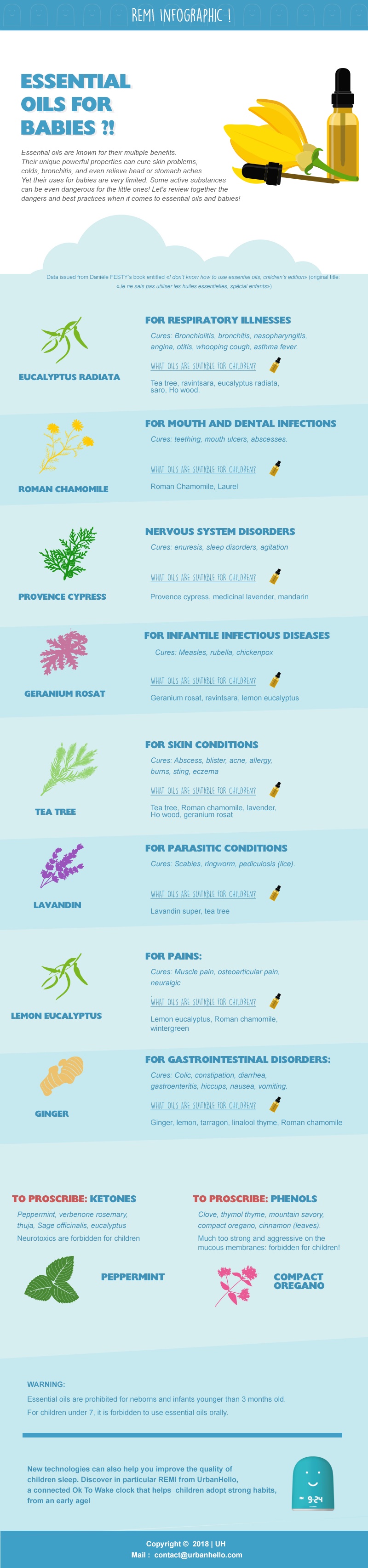
Children’s skin is delicate and more sensitive. Use fewer drops and more carrier oil for dilution. Avoid oils like eucalyptus and peppermint for young kids. Diffuse oils in short sessions, not directly on skin. Always watch for any signs of irritation. Choose child-safe oils such as lavender or chamomile. Keep oils out of children’s reach.
Pets And Aromatherapy Safety
Pets can react strongly to some essential oils. Avoid using oils like tea tree, eucalyptus, and citrus around pets. Never apply oils directly to your pet’s fur or skin. Use diffusers in well-ventilated rooms and limit exposure time. Watch pets for coughing or sneezing. Consult a vet before using any aromatherapy near pets.
Frequently Asked Questions
What Are The Safest Ways To Use Essential Oils?
Use essential oils diluted with a carrier oil before skin application. Avoid direct contact with eyes and sensitive areas. Conduct a patch test to check for allergies. Inhale oils using diffusers or steam, never ingest without professional guidance.
How Do I Dilute Essential Oils Properly?
Dilute essential oils with carrier oils like coconut or jojoba oil. A common ratio is 1-2 drops of essential oil per teaspoon of carrier oil. This prevents skin irritation and ensures safe topical use. Always follow specific oil guidelines for best results.
Can Essential Oils Cause Allergic Reactions?
Yes, essential oils can cause allergic reactions in some people. Always perform a patch test before full use. Stop use immediately if redness, itching, or swelling occurs. Consult a healthcare professional if you have sensitive skin or allergies.
Is It Safe To Use Essential Oils During Pregnancy?
Some essential oils are unsafe during pregnancy. Avoid oils like rosemary, clary sage, and peppermint. Always consult a healthcare provider before use. Choose pregnancy-safe oils like lavender or chamomile in diluted forms for aromatherapy.
Conclusion
Essential oils can improve your life when used with care. Always read labels and follow instructions closely. Test oils on a small skin area first. Keep oils away from eyes and sensitive spots. Store oils in a cool, dark place to keep them fresh.
Use oils in small amounts to avoid irritation. Learn about each oil before use to stay safe. Enjoy the benefits of essential oils, but respect their power. Safety first, always.