

Your bones are the framework that supports your entire body, yet many people overlook the simple steps needed to keep them strong and healthy. Did you know that calcium and vitamin D play a crucial role in maintaining your bone health?
Without enough of these nutrients, you could be putting yourself at risk for weak bones and fractures. You’ll discover why calcium and vitamin D are essential, how they work together, and the easy ways you can make sure your bones stay strong for years to come.
Keep reading—your future self will thank you!
Role Of Calcium In Bone Health
Calcium plays a key role in building and maintaining strong bones. It forms the hard structure that supports our body. Without enough calcium, bones can become weak. This makes them more likely to break. Calcium also helps muscles and nerves work properly. It is especially important during childhood, the teen years, and old age. These are times when bones grow or lose density quickly.
Calcium’s Impact On Bone Strength
Calcium adds density to bones, making them firm and tough. It fills the spaces in the bone structure. This prevents bones from becoming brittle. Strong bones reduce the risk of fractures and injuries. Calcium also works with vitamin D to help the body absorb it well. Without enough calcium, bones lose minerals and become weak. This condition is called osteoporosis. It leads to easy fractures, especially in older adults.
Daily Calcium Requirements
Calcium needs change with age and life stage. Children and teens need more support for growth. Adults need a steady amount to keep bones healthy. Older adults need extra calcium to slow bone loss. The general daily recommended calcium intake is 1,000 mg for most adults. Teenagers and older adults should aim for 1,200 mg daily. Pregnant and breastfeeding women also need more calcium. Meeting these needs helps maintain strong bones over time.
Food Sources Rich In Calcium
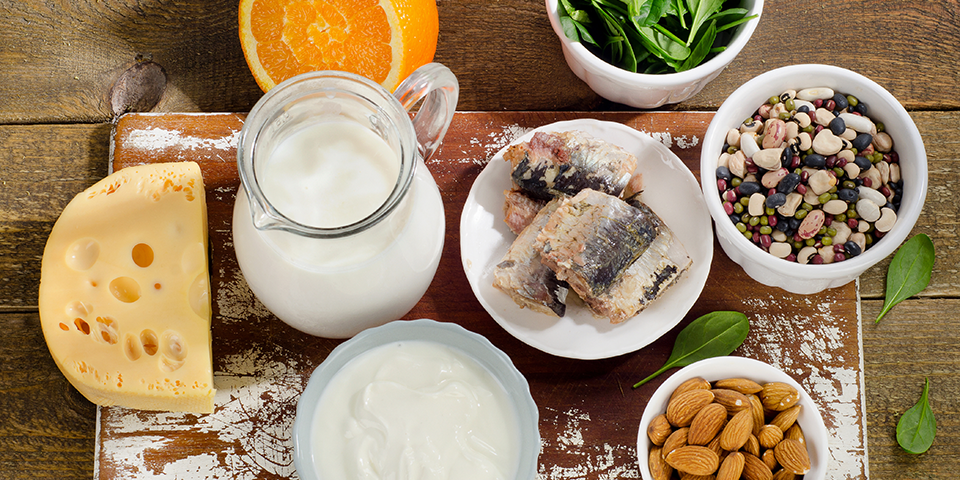
Milk and dairy products are the top sources of calcium. Cheese and yogurt provide high amounts of calcium. Leafy green vegetables like kale and broccoli contain calcium, too. Fortified foods, such as cereals and plant-based milk, add calcium to the diet. Nuts and seeds also have small amounts of calcium. Eating a variety of these foods helps meet daily calcium needs. This supports bone health and overall body function.
Credit: www.bonehealthandosteoporosis.org
Vitamin D And Bone Protection
Vitamin D plays a crucial role in keeping bones strong and healthy. Without enough vitamin D, the body cannot absorb calcium well. This can lead to weak bones and a higher risk of fractures. Understanding vitamin D’s role helps maintain good bone health and prevent bone diseases.
How Vitamin D Supports Calcium Absorption
Vitamin D helps the intestines absorb calcium from food. Without vitamin D, only a small amount of calcium enters the bloodstream. This vitamin also helps keep calcium levels balanced in the blood. This balance is important for bone formation and repair. Strong bones need enough calcium and vitamin D working together.
Recommended Vitamin D Intake
The daily vitamin D amount varies by age and health. Most adults need about 600 to 800 IU per day. Older adults may need more, up to 1,000 IU. Children also need vitamin D for growing bones. Doctors can test vitamin D levels and suggest the right dose. Taking too much vitamin D can be harmful, so follow guidelines carefully.
Natural And Supplement Sources
Sunlight is the main natural source of vitamin D. Skin makes vitamin D when exposed to sunlight. Fatty fish like salmon and mackerel contain vitamin D. Egg yolks and fortified foods provide smaller amounts. Supplements are useful for people with low sun exposure or a poor diet. Choose vitamin D3 supplements, as they work best in the body.
Combining Calcium And Vitamin D Effectively
Calcium and vitamin D work closely to keep bones strong. Calcium builds the bones, while vitamin D helps the body absorb calcium better. Taking these two nutrients together improves bone health and lowers the risk of fractures. Knowing how to combine them effectively matters for your health.
Optimal Timing And Dosage
Take calcium in smaller doses throughout the day. Your body absorbs calcium better in amounts of 500 mg or less at one time. Vitamin D is best taken with meals that contain fat. This helps the vitamin dissolve and enter your bloodstream. Adults usually need 1,000 to 1,200 mg of calcium daily. For vitamin D, 600 to 800 IU per day is common. Some people may need more based on their health and sunlight exposure.
Common Myths Debunked
Calcium causes kidney stones. Not always true. Drinking enough water lowers this risk. Vitamin D is only needed in winter. No, it helps all year. More calcium means stronger bones. Too much calcium can harm bones and the heart. Vitamin D alone builds bone. It only works well with calcium. These myths confuse. Clear facts guide better choices.
Potential Risks Of Overconsumption
Too much calcium can cause constipation and kidney problems. Excess calcium may also affect heart health. High doses of vitamin D can lead to toxic calcium levels. This causes nausea, weakness, and kidney damage. Always follow recommended doses. Talk to a doctor before taking supplements. Balance is key to safe bone health support.
Lifestyle Habits For Strong Bones
Strong bones support your body and keep you active. Good lifestyle habits help keep bones healthy and prevent weakness. Eating well is important, but daily choices also make a big difference. Simple actions can improve bone strength over time.
Exercise And Bone Density
Exercise helps build and keep bone density. Weight-bearing activities like walking, jogging, and dancing put gentle pressure on bones. This pressure signals bones to grow stronger. Muscle-strengthening exercises also support bone health. Try to move your body every day for better bones.
Avoiding Bone-damaging Behaviors
Some habits harm bone health. Too much soda or caffeine can reduce calcium absorption. Eating too much salt can cause calcium loss through urine. Avoiding these habits protects your bones. Focus on healthy foods and drinks for stronger bones.
Impact Of Smoking And Alcohol
Smoking slows bone healing and lowers bone density. It increases the risk of fractures. Drinking alcohol in large amounts weakens bones, too. Limit alcohol to protect your bone health. Quitting smoking and cutting back alcohol helps bones stay strong.
Special Considerations
Calcium and vitamin D are essential for strong bones. Some groups need special attention. Age, gender, and health conditions change bone needs. Understanding these helps keep bones healthy.
Bone Health In Different Age Groups
Children need calcium and vitamin D for growth. Their bones grow fast and need building blocks.
Adults need these nutrients to keep bones strong. Bone loss starts slowly after age 30.
Older adults need more vitamin D. It helps absorb calcium better. Bone fractures grow with age.
Gender Differences In Bone Needs
Women lose bone density faster after menopause. Estrogen levels drop, affecting calcium use.
Men usually have larger, stronger bones. They still need calcium and vitamin D daily.
Women may need supplements to protect bone health. Regular check-ups help track bone loss.
Managing Bone Health With Medical Conditions
Some illnesses reduce calcium and vitamin D absorption. Examples include celiac disease and kidney problems.
Medications can affect bone strength. Steroids and some anti-seizure drugs lower bone density.
Doctors may recommend special diets or supplements. Regular monitoring helps manage bone health safely.

Credit: www.researchgate.net

Credit: www.sciencedirect.com
Frequently Asked Questions
What Role Does Calcium Play In Bone Health?
Calcium is essential for strong bones and teeth. It supports bone density and reduces fracture risk. Adequate calcium intake helps maintain bone structure throughout life.
How Does Vitamin D Improve Calcium Absorption?
Vitamin D boosts calcium absorption in the intestines. Without enough vitamin D, calcium absorption decreases. This impairs bone mineralization and may weaken bones over time.
How Much Calcium And Vitamin D Do Adults Need?
Adults typically need 1,000 mg of calcium daily. Vitamin D recommendations are 600 to 800 IU per day. Needs may increase with age or health conditions.
Can Calcium And Vitamin D Prevent Osteoporosis?
Yes, sufficient calcium and vitamin D intake helps prevent osteoporosis. They maintain bone density and reduce fracture risks. Combined with exercise, they support overall bone health.
Conclusion
Calcium and vitamin D work together to keep bones strong. Both nutrients help prevent bone problems like fractures. Eating foods rich in calcium and getting sunlight for vitamin D is important. Supplements can help if your diet lacks these nutrients.
Regular exercise also supports healthy bones. Small daily steps make a big difference over time. Take care of your bones today for a healthier future. Simple habits build lasting strength.