

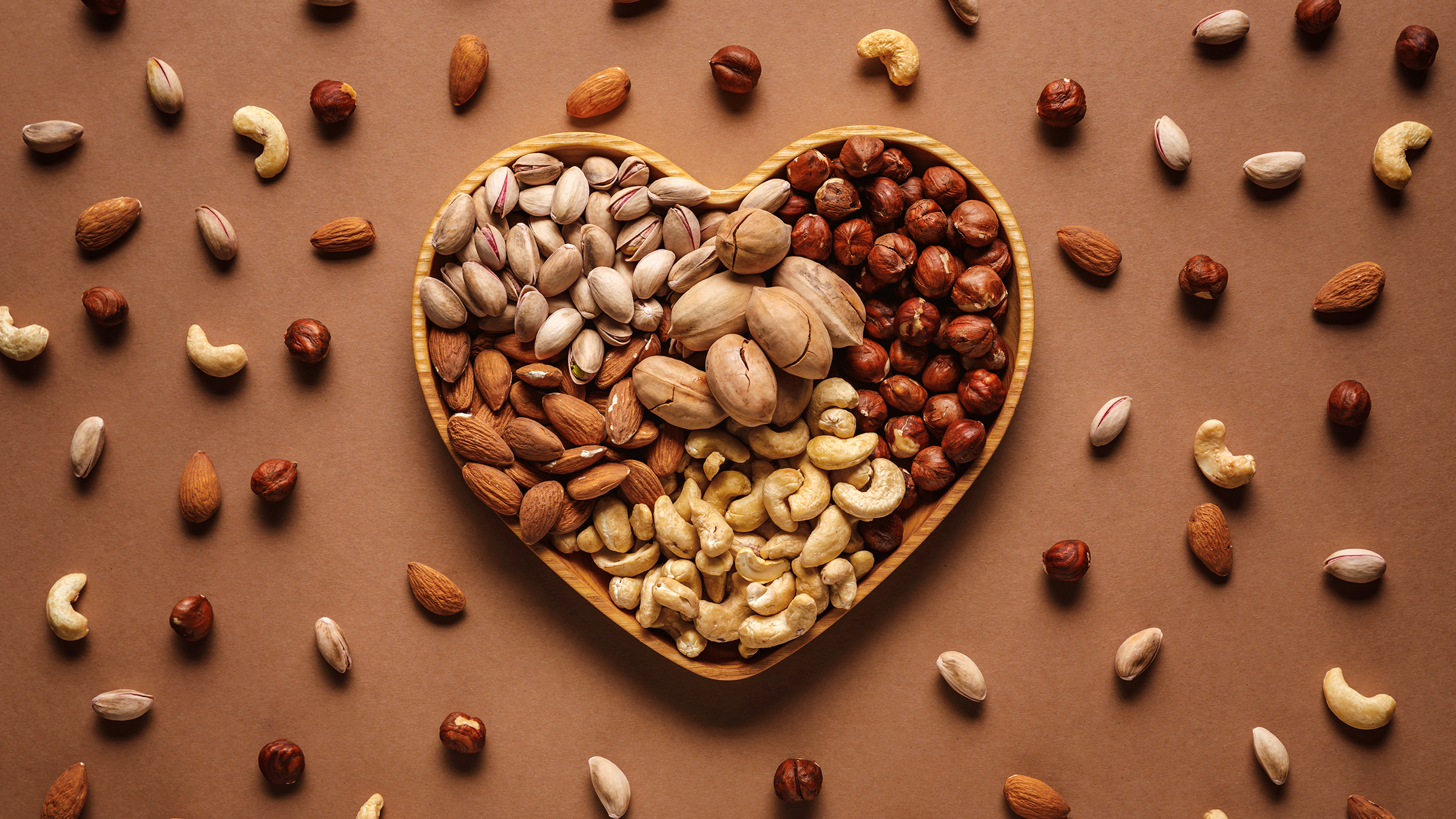
Your heart works hard every single day, and giving it the right fuel can make all the difference. Did you know that adding certain nuts and seeds to your diet can boost your heart health in powerful ways?
These small, natural snacks are packed with nutrients that help lower cholesterol, reduce inflammation, and keep your blood vessels strong. If you want to protect your heart and feel better overall, keep reading to discover the best nuts and seeds you should be eating—and why they matter so much for your well-being.

Credit: www.megawecare.com
Benefits Of Nuts And Seeds For The Heart
Nuts and seeds are small but powerful foods that help keep the heart strong. They contain many healthy nutrients that protect the heart and improve overall health. Eating nuts and seeds regularly can lower the risk of heart disease. Their benefits go beyond just good taste. They support heart health in many ways.
Heart-Healthy Nutrients In Nuts And Seeds
Nuts and seeds are rich in healthy fats, especially omega-3 fatty acids. These fats help reduce bad cholesterol and increase good cholesterol. They also contain fiber, which helps lower cholesterol levels. Vitamins like vitamin E act as antioxidants, protecting heart cells from damage. Minerals such as magnesium and potassium help control blood pressure. Protein in nuts and seeds supports muscle health, including the heart muscle.
How They Support Cardiovascular Health
Healthy fats in nuts and seeds reduce inflammation in blood vessels. This keeps arteries flexible and open for smooth blood flow. Fiber helps remove cholesterol from the body, lowering artery blockage. Antioxidants fight free radicals that cause heart cell damage. Minerals help balance blood pressure and reduce strain on the heart. Eating nuts and seeds can improve blood vessel function and lower heart disease risk.
Scientific Evidence And Studies
Many studies show that nuts and seeds lower heart disease risk. Research finds that people who eat nuts regularly have lower cholesterol and blood pressure. Some studies link nut consumption to fewer heart attacks and strokes. Clinical trials show nut-rich diets improve heart health markers. Scientists agree that nuts and seeds benefit heart health when eaten daily in moderation.
Top Nuts For Heart Health
Nuts are a smart choice for heart health. They offer many benefits that support the heart and blood vessels. Eating nuts regularly can help lower bad cholesterol and reduce heart disease risk.
Different nuts bring unique nutrients that aid heart health. Some are rich in healthy fats, while others provide vital minerals and vitamins. Below are the top nuts that help keep your heart strong and healthy.
Almonds: Rich In Vitamin E And Fiber
Almonds contain a lot of vitamin E, a powerful antioxidant. This vitamin helps protect the heart from damage. Almonds also have fiber that lowers bad cholesterol. Eating almonds can improve blood vessel health and reduce heart disease risk.
Walnuts: Omega-3 Fatty Acids Powerhouse
Walnuts are full of omega-3 fatty acids. These fats reduce inflammation and improve cholesterol levels. Walnuts support heart rhythm and lower blood pressure. Including walnuts in your diet can help protect your heart over time.
Pistachios: Lowering Bad Cholesterol
Pistachios help reduce LDL cholesterol, the bad type. They contain healthy fats and antioxidants that improve heart health. Pistachios can also reduce blood vessel inflammation. Eating pistachios may lower the risk of heart problems.
Cashews: Magnesium And Heart Support
Cashews are a good source of magnesium. Magnesium helps regulate blood pressure and heart rhythm. Cashews provide healthy fats that support cholesterol balance. Adding cashews to meals can benefit your heart health.
Best Seeds For Cardiovascular Wellness
Seeds are small but powerful allies for heart health. They pack essential nutrients that support your cardiovascular system. Eating the right seeds helps lower bad cholesterol and reduce inflammation. Seeds offer fiber, healthy fats, and antioxidants that work together for a strong heart. Below are some of the best seeds to include in your diet for heart wellness.
Chia Seeds: Fiber And Omega-3 Boost
Chia seeds are rich in fiber and omega-3 fatty acids. Fiber helps lower cholesterol and improves digestion. Omega-3s reduce inflammation and lower blood pressure. These tiny seeds absorb water and form a gel, which slows digestion. This helps maintain steady blood sugar levels and prevents heart disease.
Flaxseeds: Lignans And Heart Protection
Flaxseeds contain lignans, which have antioxidant properties. Antioxidants protect blood vessels from damage. Flaxseeds also provide omega-3 fats, supporting heart health. Eating ground flaxseeds improves cholesterol and reduces inflammation. They are easy to add to smoothies, yogurt, or oatmeal.
Pumpkin Seeds: Zinc And Antioxidants
Pumpkin seeds are a good source of zinc and antioxidants. Zinc supports immune health and helps repair blood vessel damage. Antioxidants fight free radicals that harm the heart. These seeds also contain magnesium, which helps relax blood vessels and lower blood pressure.
Hemp Seeds: Balanced Fatty Acids
Hemp seeds offer a perfect balance of omega-3 and omega-6 fats. This balance supports healthy cholesterol levels. They also provide protein and minerals essential for heart function. Adding hemp seeds to meals helps reduce inflammation and supports overall cardiovascular health.
Credit: www.goodrx.com
Incorporating Nuts And Seeds Into Your Diet
Nuts and seeds offer many heart health benefits. They contain healthy fats, fiber, and important nutrients. Adding them to your diet is simple and tasty. Small changes can make a big difference in your heart health.
Choosing the right nuts and seeds and using them in meals or snacks helps maintain good heart function. They are easy to include in daily eating habits. Here are some ideas to get started.
Snack Ideas And Recipes
Enjoy a small handful of almonds, walnuts, or pistachios as a quick snack. Mix sunflower seeds with dried fruit for a homemade trail mix. Try nut butter on whole grain toast for a filling treat. Roasted pumpkin seeds add a crunchy, salty flavor to snacks. These options provide healthy fats and keep hunger away.
Adding To Meals And Smoothies
Sprinkle chia or flax seeds over salads or yogurt for a nutrition boost. Add crushed walnuts to oatmeal or cereal for extra texture. Blend almond or peanut butter into smoothies for a creamy taste. Use ground seeds in baking recipes to improve fiber content. These small additions improve meal flavor and health benefits.
Portion Control Tips
Keep servings to about one ounce or a small handful. Use measuring cups or a kitchen scale to avoid overeating. Nuts and seeds are calorie-dense, so watch portion size carefully. Eating them with meals helps you feel fuller longer. Balance is key to enjoying benefits without extra calories.
Potential Allergies And Precautions
Nuts and seeds offer many benefits for heart health. They contain good fats, vitamins, and minerals. Yet, some people may have allergies to these foods. Knowing the risks and taking precautions is important for safe eating. This section explains common allergies and how to avoid problems.
Common Allergies To Watch For
Peanut allergy is one of the most frequent and severe. Tree nuts like almonds, walnuts, and cashews also cause reactions. Symptoms include itching, swelling, and difficulty breathing. Some people may have mild skin rashes or stomach pain. Allergic reactions can be dangerous and need quick action.
Safe Consumption Guidelines
Start with small amounts of nuts and seeds to check tolerance. Avoid eating large quantities if you have a history of allergies. Choose unsalted and unflavored nuts to reduce risk. Always read labels for hidden ingredients. Keep an epinephrine injector nearby if prescribed by a doctor.
Consulting Healthcare Providers
Speak with your doctor before adding nuts or seeds to your diet. They can help identify allergy risks through tests. A healthcare provider guides safe serving sizes and types. They also advise on managing any allergic reactions. Regular check-ups ensure your heart-healthy plan is safe.

Credit: www.heartfoundation.org.nz
Frequently Asked Questions
Which Nuts Are Best For Improving Heart Health?
Almonds, walnuts, and pistachios are top nuts for heart health. They contain healthy fats, fiber, and antioxidants that reduce cholesterol and inflammation.
How Do Seeds Benefit Heart Health?
Seeds like flaxseeds, chia seeds, and pumpkin seeds provide omega-3 fatty acids and fiber. These nutrients lower blood pressure and improve cholesterol levels.
Can Eating Nuts And Seeds Lower Cholesterol?
Yes, nuts and seeds help lower LDL (bad) cholesterol. Their healthy fats and fiber reduce cholesterol absorption and improve heart function.
How Much Nuts And Seeds Should I Eat Daily?
A daily intake of about 1 ounce (28 grams) is ideal. This amount supports heart health without adding excess calories.
Conclusion
Nuts and seeds support a healthy heart in many ways. They provide good fats, fiber, and important nutrients. Eating a small handful daily can improve heart health. Choose a mix like almonds, walnuts, flaxseeds, and chia seeds. These options are easy to add to meals or snacks.
Keep portions moderate to enjoy benefits without extra calories. Simple changes like this help protect your heart long term. Start adding these heart-friendly foods to your diet today. Your heart will thank you.