

Are you looking for a simple way to boost your heart health without expensive equipment or gym memberships? Walking might be the easiest and most effective solution you’ve been searching for.
Just by putting one foot in front of the other, you can strengthen your heart, improve circulation, and lower your risk of serious heart problems. You’ll discover how a daily walk can transform your heart health and why this small habit could lead to big changes in your life.
Keep reading to find out how easy it is to protect your heart and feel better every day.
Heart Health And Walking
Walking is one of the simplest ways to care for your heart. It helps keep your heart strong and healthy. You do not need special skills or equipment. Just put on your shoes and step outside. Regular walking can lower the risk of heart disease.
The benefits of walking go beyond just moving your legs. It affects your heart, blood vessels, and overall health. A small daily habit can make a big difference for your heart.
How Walking Impacts The Heart
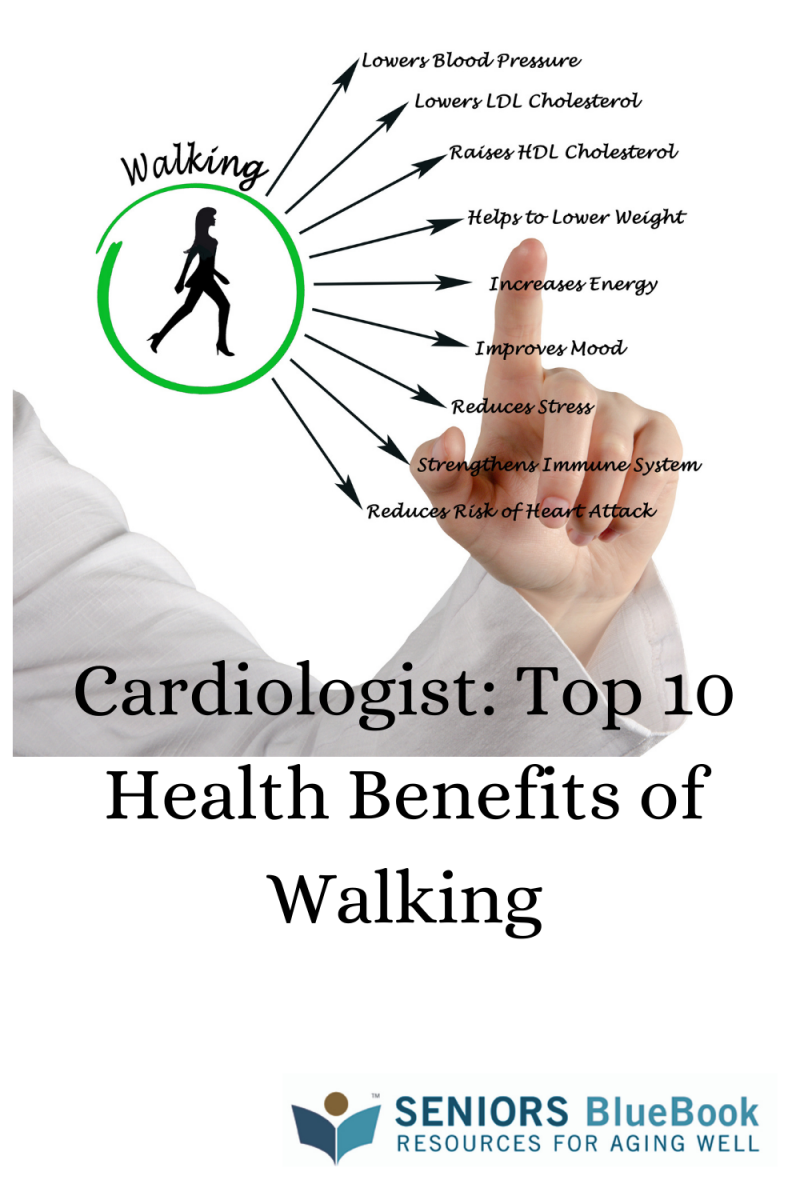
Walking gently raises your heart rate. This strengthens your heart muscle. A strong heart pumps blood better and works more efficiently. Walking also helps lower blood pressure. High blood pressure can damage the heart and arteries.
It improves blood flow and reduces bad cholesterol. Good cholesterol levels protect your heart. Walking helps control weight, which lowers stress on the heart. It also reduces inflammation, a cause of heart problems.
Walking Versus Other Exercises
Walking is easier on the joints than running or high-impact sports. It suits people of all ages and fitness levels. You can walk anywhere, anytime, without special tools. Other exercises may need training or gear.
Walking burns calories and improves heart health like more intense workouts. It is less risky for injuries. Some people find walking more enjoyable and easier to keep up with. Consistent walking can offer heart benefits similar to other exercises.
Improving Cardiovascular Fitness
Improving cardiovascular fitness is key to a healthy heart. Walking regularly helps your heart become stronger and work better. It trains your heart to pump blood more efficiently and supports overall heart health.
Enhancing Heart Efficiency
Walking makes your heart muscle stronger. A strong heart pumps more blood with less effort. This means your heart does not have to work hard all the time. It lowers the risk of heart disease. Your heart becomes more efficient at delivering oxygen to the body.
Boosting Blood Circulation
Walking increases blood flow throughout your body. Better circulation helps deliver nutrients to your organs. It also helps remove waste from your body. Good blood flow lowers blood pressure. This reduces strain on your heart and blood vessels.
Managing Blood Pressure
Managing blood pressure is key to keeping your heart healthy. High blood pressure strains your heart and arteries. Walking is a simple way to help control this condition. It helps your blood flow better and reduces stress on the heart. Regular walking can lower your blood pressure over time. This makes your heart work less hard and stay strong.
Walking’s Role In Lowering Hypertension
Walking helps your body relax and blood vessels widen. This makes it easier for blood to move through your body. Studies show that walking can lower both systolic and diastolic blood pressure. Just 30 minutes a day can make a difference. It helps reduce the risk of heart disease and stroke.
Consistency For Best Results
Walking once or twice is not enough. Your body needs regular activity to keep blood pressure down. Aim for at least five days a week. Make walking a daily habit. Consistency helps maintain steady blood pressure levels. Over time, this habit supports long-term heart health.
Controlling Cholesterol Levels
Controlling cholesterol levels plays a key role in heart health. Cholesterol affects how blood flows through the arteries. Good habits help keep cholesterol balanced. Walking is a simple way to support this balance. It helps manage cholesterol without medicine. Regular walking improves heart function and overall health.
Increasing Good Cholesterol
Walking raises high-density lipoprotein (HDL), known as good cholesterol. HDL carries cholesterol away from the arteries to the liver. The liver removes it from the body. Higher HDL levels protect arteries from damage. A daily walk can slowly increase HDL. This helps reduce the risk of heart disease.
Reducing Bad Cholesterol
Bad cholesterol, or low-density lipoprotein (LDL), clogs arteries and slows blood flow. Walking helps lower LDL levels in the blood. It also reduces triglycerides, another harmful fat. A consistent walking habit cleans arteries and improves circulation. Lower LDL means less chance of heart attacks or strokes.
Reducing Heart Disease Risks
Walking is a simple way to lower the chances of heart disease. It helps keep the heart strong and healthy. Small steps each day can lead to big benefits for your heart.
Regular walking improves blood flow and reduces harmful fats. It also helps control weight and blood pressure. These changes reduce the risk of heart problems over time.
Preventing Heart Attacks
Walking helps keep arteries clear by lowering bad cholesterol. It also raises good cholesterol that protects the heart. Stronger heart muscles pump blood better, lowering attack risk.
Daily walking can reduce blood pressure, a key heart attack factor. Lower pressure means less strain on the heart. This makes heart attacks less likely.
Lowering Stroke Probability
A stroke happens when blood flow to the brain is blocked. Walking improves circulation and reduces blood clots. This lowers the chance of stroke.
Exercise, like walking, also controls diabetes and weight. Both are stroke risk factors. Taking a walk daily helps keep these risks low.
Credit: seniorsbluebook.com
Mental Health Benefits
Walking benefits the heart and the mind. It helps improve mental health by calming the brain and lifting the spirit. Regular walks clear the mind and ease tension. The gentle rhythm of walking soothes nerves and promotes relaxation.
Stress Reduction
Walking lowers stress hormones in the body. It slows the heart rate and eases muscle tension. Nature walks add fresh air and peaceful views. These elements reduce feelings of anxiety and worry. Even a short walk can calm a busy mind.
Mood Enhancement
Walking boosts chemicals that make you feel good. It releases endorphins, often called “happy hormones.” These natural chemicals improve mood and reduce sadness. Walking also increases energy levels and alertness. The simple act of moving lifts the spirit quickly.
Tips To Maximize Walking Benefits
Walking offers many heart health benefits. To get the most from walking, try a few simple tips. These tips help you stay safe and improve your heart’s strength. Small changes can make walking more effective and enjoyable.
Choosing The Right Pace
Walking at a steady, brisk pace helps your heart. A pace that raises your breathing but lets you talk is ideal. Avoid walking too fast or too slow. Start slow if you are new, then increase speed over time. This helps your heart get stronger safely.
Incorporating Walking Into Daily Routine
Make walking part of your day without extra effort. Walk short distances instead of driving. Use stairs instead of elevators. Take breaks to walk during work or errands. These habits add up and improve your heart health. Consistency is key to lasting benefits.

Credit: www.massgeneralbrigham.org
Credit: www.delnorhfc.com
Frequently Asked Questions
How Does Walking Improve Heart Health?
Walking boosts cardiovascular fitness by strengthening the heart muscle. It lowers blood pressure, reduces bad cholesterol, and improves circulation. Regular walking helps maintain a healthy weight, reducing heart disease risk.
How Long Should I Walk Daily For Heart Benefits?
Walking 30 minutes a day, five times a week, is ideal. This amount improves heart health, aids weight control, and boosts overall cardiovascular function.
Can Walking Reduce The Risk Of Heart Disease?
Yes, walking regularly lowers heart disease risk by improving blood flow. It helps control blood sugar, reduces inflammation, and supports healthy cholesterol levels.
Is Brisk Walking Better Than Slow Walking For The Heart?
Brisk walking raises heart rate and enhances cardiovascular endurance more than slow walking. It provides greater heart health benefits and burns more calories.
Conclusion
Walking boosts heart health in many simple ways. It strengthens the heart and lowers blood pressure. Regular walking helps control weight and reduces stress. Just a short daily walk can improve blood flow. It also raises good cholesterol and lowers bad cholesterol.
Walking is easy to add to any routine. No special skills or equipment needed. Small steps lead to big heart benefits. Start walking today for a healthier heart tomorrow. Your heart will thank you.