

Are you worried about your cholesterol levels but want to avoid strong medications? You’re not alone.
High cholesterol can sneak up on you, putting your heart health at risk. The good news is, you have the power to take control naturally. Simple changes in your daily habits can make a big difference. Keep reading to discover easy and effective ways you can lower your cholesterol without harsh drugs.
Your heart will thank you.
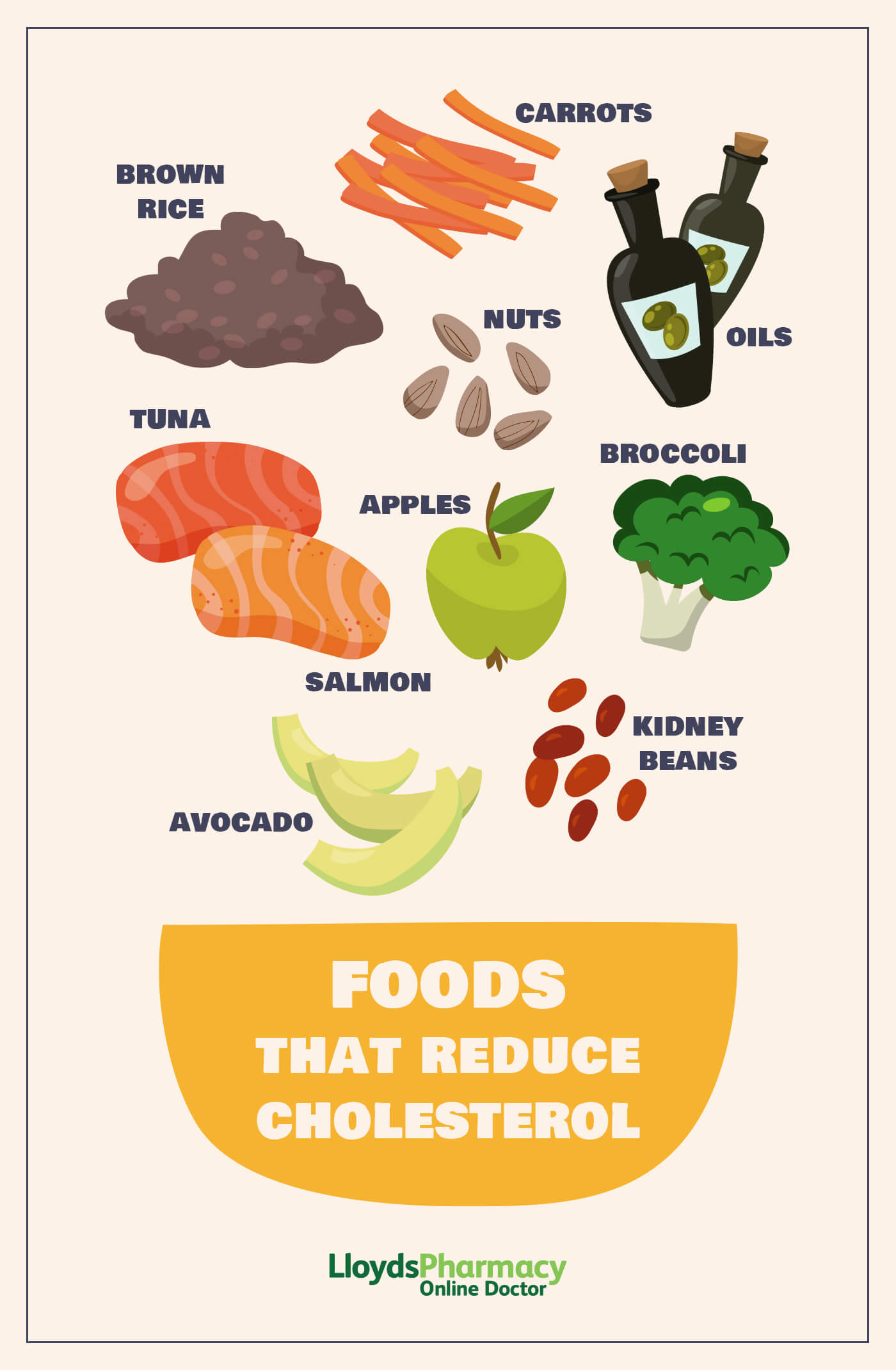
Credit: onlinedoctor.lloydspharmacy.com
Cholesterol And Heart Health
Cholesterol plays a big role in heart health. It is a type of fat found in the blood. The body needs some cholesterol to work well. Too much cholesterol can cause problems. It may lead to heart disease and other health issues. Understanding cholesterol helps you protect your heart naturally.
Types Of Cholesterol
There are two main types of cholesterol. Low-density lipoprotein (LDL) is often called “bad” cholesterol. It can build up in your arteries and block blood flow. High-density lipoprotein (HDL) is known as “good” cholesterol. It helps remove LDL from your blood. Keeping a balance between these types is important for heart health.
Impact On the Cardiovascular System
High LDL cholesterol can cause artery damage. This leads to plaque buildup and narrows arteries. Blood flow slows down or stops, causing heart attacks or strokes. HDL cholesterol helps clean arteries by carrying LDL away. A healthy heart needs good blood flow and clean arteries. Managing cholesterol supports the cardiovascular system naturally.
Diet Changes To Lower Cholesterol
Changing your diet can help lower cholesterol naturally. Small changes in food choices can make a big difference. Eating the right foods supports heart health and reduces bad cholesterol levels.
Foods To Include
Choose foods rich in healthy fats like olive oil and avocado. Nuts such as almonds and walnuts are good for the heart. Fatty fish like salmon and mackerel provide omega-3 fatty acids. Whole grains like oats and barley help reduce cholesterol. Fresh fruits and vegetables add important vitamins and antioxidants.
Foods To Avoid
Avoid foods high in saturated fats like butter, cheese, and fatty meats. Stay away from fried foods and processed snacks. Limit intake of sugary drinks and sweets. Trans fats found in some baked goods and margarine raise bad cholesterol. Cut back on refined grains like white bread and white rice.
Role Of Fiber
Fiber helps lower cholesterol by binding to it in the digestive system. Soluble fiber is especially effective and found in oats, beans, and fruits. Eating enough fiber slows cholesterol absorption. This lowers bad cholesterol and supports heart health. Aim for at least 25 grams of fiber daily.
Physical Activity Benefits
Physical activity plays a key role in lowering cholesterol naturally. It helps the heart and blood vessels work better. Moving your body regularly can improve your health and reduce bad cholesterol levels.
Exercise also raises good cholesterol, which helps clear harmful fats from the blood. This balance is important for a healthy heart and overall well-being.
Exercise Recommendations
Aim for at least 150 minutes of moderate exercise each week. Walking, cycling, and swimming are good choices. Start slow and increase time and intensity gradually. Include strength training twice a week to build muscles and boost metabolism. Consistency is more important than intensity for lasting benefits.
Effects On Cholesterol Levels
Physical activity lowers LDL, the “bad” cholesterol that clogs arteries. It increases HDL, the “good” cholesterol that removes LDL from the body. Exercise also helps reduce triglycerides, another type of fat in the blood. These changes reduce the risk of heart disease and stroke. Regular activity supports healthy cholesterol and a stronger heart.
Herbs And Natural Supplements
Herbs and natural supplements offer a gentle way to support healthy cholesterol levels. Many plants contain compounds that help lower bad cholesterol or improve heart health. Using these natural options can be a smart step alongside diet and exercise.
People have used herbs for centuries to aid health. Today, science confirms that some herbs have benefits for cholesterol. Choosing the right herbs can add value to your wellness routine.
Common Cholesterol-lowering Herbs
Garlic is famous for its ability to reduce LDL cholesterol. It may also improve blood pressure and circulation. Taking garlic supplements or eating fresh garlic can help.
Fenugreek seeds contain fiber and saponins that lower cholesterol absorption. People often use fenugreek in cooking or as a supplement.
Artichoke leaf extract supports liver function and helps clear cholesterol from the body. It may reduce total and LDL cholesterol levels.
Turmeric contains curcumin, which can lower cholesterol and reduce inflammation. Adding turmeric to meals or taking it as a supplement is common.
Safety And Effectiveness
Natural does not always mean safe. Some herbs can interact with medicines or cause side effects. Always consult a healthcare provider before starting new supplements.
The strength and quality of supplements vary widely. Choose products from trusted brands to ensure safety and effectiveness.
Herbs work best as part of a healthy lifestyle. They support but do not replace medical treatment. Consistent use and a balanced diet show the best results.
Lifestyle Habits For Heart Health
Healthy lifestyle habits play a big role in keeping cholesterol levels in check. They support heart health naturally and reduce risks. Small daily choices can make a strong impact on cholesterol and overall well-being.
Simple actions like managing stress, getting good sleep, and avoiding harmful substances help protect your heart. These habits improve how your body handles cholesterol and keep arteries clear.
Stress Management
Stress can raise bad cholesterol and blood pressure. Find ways to relax daily. Try deep breathing, meditation, or light exercise. These activities calm your mind and lower stress hormones. Reducing stress helps keep cholesterol balanced.
Sleep And Cholesterol
Quality sleep supports healthy cholesterol levels. Poor sleep raises bad cholesterol and lowers good cholesterol. Aim for seven to eight hours of sleep every night. A regular sleep schedule improves heart health and energy.
Avoiding Tobacco And Excess Alcohol
Smoking harms blood vessels and raises bad cholesterol. Quitting tobacco improves heart function and cholesterol. Limit alcohol to moderate amounts. Too much alcohol increases cholesterol and blood pressure. Staying away from these protects your heart and arteries.

Credit: www.health.harvard.edu
Monitoring And Tracking Progress
Tracking cholesterol levels helps you see if your efforts work. It shows progress and guides your next steps. Regular monitoring keeps you aware of your health status. It encourages healthy habits and timely changes.
Regular Health Checkups
Visit your doctor for blood tests at regular intervals. These tests measure total cholesterol, LDL, HDL, and triglycerides. Doctors can spot early signs of high cholesterol. They provide advice based on your results. Keep records of each checkup for comparison over time.
Using Home Testing Tools
Home cholesterol kits offer quick and easy testing options. They allow you to test your levels more often. Follow the instructions carefully to get accurate results. Record your readings to track changes clearly. Use this data to discuss progress with your doctor.

Credit: www.modernheartandvascular.com
Frequently Asked Questions
What Are The Best Natural Foods To Lower Cholesterol?
Foods rich in soluble fiber, like oats and beans, help reduce cholesterol. Nuts, fatty fish, and olive oil also support healthy cholesterol levels naturally.
How Does Exercise Help Reduce Cholesterol Levels?
Regular exercise boosts HDL (good) cholesterol and lowers LDL (bad) cholesterol. It improves heart health and aids in maintaining a healthy weight, which reduces cholesterol.
Can Weight Loss Naturally Reduce Cholesterol Levels?
Yes, losing excess weight lowers LDL cholesterol and triglycerides. It improves overall heart health and increases HDL cholesterol, helping manage cholesterol naturally.
Are Natural Supplements Effective For Cholesterol Control?
Supplements like plant sterols, psyllium, and red yeast rice can lower cholesterol. Always consult a healthcare provider before starting supplements for safety and effectiveness.
Conclusion
Reducing cholesterol naturally is possible with small, daily choices. Eat more fruits, vegetables, and whole grains. Exercise regularly to keep your heart healthy. Avoid foods high in saturated fats and sugar. Drink plenty of water and manage stress well. These simple steps help your body work better.
Stay consistent and patient for the best results. Your heart will thank you in the long run. Natural methods support overall health and well-being. Keep these tips in mind for a healthier life.