

Are you ready to take your athletic performance to the next level? Whether you’re training for a big game, a race, or just want to feel stronger and faster, small changes can make a huge difference.
Imagine unlocking your full potential and seeing real improvements week after week. This guide will show you simple, effective ways to boost your strength, speed, and endurance—without overwhelming your routine. Keep reading, and discover how you can start improving your athletic performance right now.
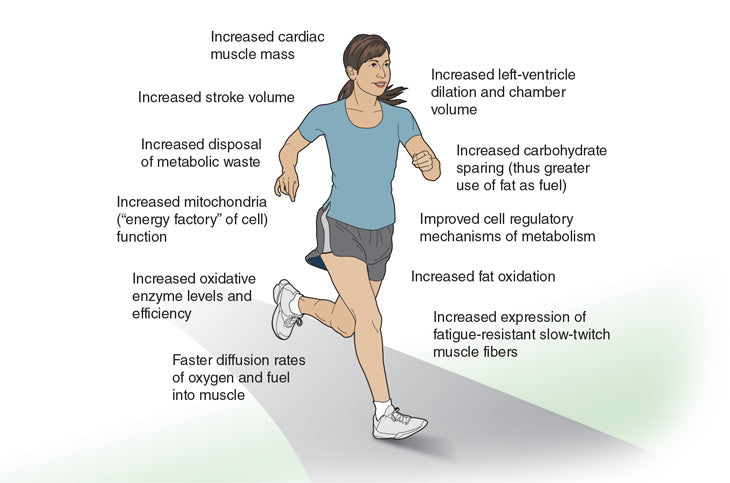
Credit: us.humankinetics.com
Training Strategies
Training strategies shape how athletes improve their skills and fitness. A good plan mixes different methods to build strength, endurance, and flexibility. These methods help the body adapt and perform better over time. Focus on balanced training to avoid injury and reach goals faster.
Periodization Techniques
Periodization divides training into phases. Each phase has a clear goal, like building strength or improving speed. This approach stops overtraining and helps steady progress. Athletes train hard, then rest or do lighter workouts. This cycle prepares them for peak performance during competition.
Strength And Conditioning
Strength training builds muscle power and body control. It includes weight lifting, resistance exercises, and bodyweight moves. Conditioning improves overall fitness and helps muscles work longer. Both reduce injury risk and increase athletic ability. Train regularly but allow time for recovery.
Endurance Building
Endurance means lasting longer in physical activities. Training involves running, cycling, swimming, or other aerobic exercises. Start slow and increase time and intensity step by step. This improves heart and lung function. Better endurance helps athletes perform well in long events.
Flexibility And Mobility
Flexibility is how far joints and muscles can move. Mobility is the ability to move freely and easily. Stretching and mobility drills keep muscles loose and joints healthy. These exercises reduce stiffness and improve movement quality. Regular practice helps avoid injuries and supports all other training.
Nutrition Essentials
Nutrition plays a big role in improving athletic performance. Eating the right foods helps your body work better during exercise and recover faster after. Balanced nutrition fuels muscles and keeps energy levels steady. Focus on what to eat before, during, and after workouts to get the best results.
Macronutrient Balance
Carbohydrates provide energy for your muscles. Choose whole grains, fruits, and vegetables. Protein helps repair and build muscle tissue. Include lean meats, beans, and dairy. Healthy fats support long-lasting energy and cell health. Nuts, seeds, and oils are good sources. A balanced mix of carbs, protein, and fats keeps your body strong.
Hydration Tips
Water is vital for every athlete. It regulates body temperature and prevents cramps. Drink water before, during, and after exercise. Avoid sugary or caffeinated drinks that can cause dehydration. Electrolyte drinks help replace minerals lost in sweat during intense workouts. Staying hydrated keeps your muscles working well.
Supplements For Athletes
Supplements can support nutrition, but do not replace food. Protein powders help meet daily protein needs. Creatine improves strength and power in short bursts. Omega-3 fatty acids reduce inflammation and support heart health. Always choose high-quality supplements and consult a doctor before use.
Pre And Post Workout Meals
Eating before exercise fuels your body. Have a small meal with carbs and protein about 1-2 hours before. Examples include yogurt with fruit or a peanut butter sandwich. After exercise, eat a meal rich in protein and carbs to repair muscles and restore energy. Good post-workout foods include chicken with rice or a smoothie with protein and banana.
Recovery Methods
Recovery methods are key to improving athletic performance. They help the body heal and build strength. Good recovery reduces fatigue and lowers injury risks. Athletes who recover well perform better and last longer in training.
Sleep Optimization
Sleep is the best recovery tool. It repairs muscles and restores energy. Aim for 7 to 9 hours each night. Keep a regular sleep schedule. Avoid screens before bed to fall asleep faster. Good sleep improves focus and reaction time.
Active Recovery
Active recovery means light exercise after hard training. Activities like walking, cycling, or swimming help blood flow. This removes waste from muscles and reduces soreness. It keeps the body moving without strain. Active recovery speeds up healing and reduces stiffness.
Massage And Therapy
Massage helps relax tight muscles. It improves circulation and reduces pain. Therapies like foam rolling or stretching also aid recovery. These methods break down muscle knots. They increase flexibility and prevent injuries. Regular massage promotes faster healing.
Injury Prevention
Prevent injuries with proper warm-up and cool-down. Use correct techniques during training. Wear suitable gear to protect your body. Strengthen weak muscles to avoid strain. Listen to your body and rest if needed. Prevention keeps you training consistently.

Credit: blog.mrsteam.com
Mental Conditioning
Mental conditioning plays a key role in improving athletic performance. It trains the mind to stay focused, calm, and strong during competition. A well-conditioned mind can push through challenges and maintain peak performance. Athletes who work on mental skills often see better results on the field.
Goal Setting
Setting clear, realistic goals gives athletes a clear path. It helps track progress and stay motivated. Break big goals into smaller steps. Celebrate small wins to keep spirits high. Write goals down and review them regularly. This focus builds discipline and direction.
Visualization Techniques
Visualization means imagining success before it happens. Athletes picture themselves performing well in their minds. This practice prepares the brain for real events. Visualize every detail, from movements to feelings. Repeated visualization builds confidence and reduces anxiety. It makes the body more ready for action.
Stress Management
Stress can hurt performance if not handled well. Learn simple breathing exercises to calm nerves. Practice mindfulness to stay present and focused. Take breaks when feeling overwhelmed. Rest and recovery improve mental clarity. Managing stress keeps the mind sharp and ready.
Building Confidence
Confidence helps athletes trust their skills. Focus on past successes to boost self-belief. Use positive self-talk to fight doubt. Surround yourself with supportive people. Practice regularly to feel prepared. Confidence grows with each effort and achievement.
Technology And Tools
Technology plays a big role in improving athletic performance today. Tools and devices help athletes train smarter. They provide data and feedback that was hard to get before. This helps athletes see their progress and find areas to improve.
Using the right technology can make training more effective. It can also reduce the risk of injury. Athletes can track their body’s response to training and adjust accordingly. Technology makes training more precise and focused.
Wearable Devices
Wearable devices collect data on heart rate, steps, and calories burned. These devices help athletes monitor their physical condition during training. They show how hard the body is working and when to rest. Many athletes use smartwatches or fitness bands for this purpose.
Wearables also track sleep and recovery. Good recovery is key to better performance. Athletes can see if they get enough rest. This helps avoid overtraining and injuries.
Performance Tracking Apps
Performance tracking apps help athletes record workouts and progress. They store data like speed, distance, and time. Athletes can compare past and current results easily. This helps set realistic goals and stay motivated.
Some apps offer workout plans and tips. They guide athletes through exercises step by step. These apps make training organized and focused.
Biomechanical Analysis
Biomechanical analysis studies how the body moves during sports. It helps find problems in technique that cause poor performance or injuries. Cameras and sensors record movements and analyze them in detail.
Coaches and athletes use this data to improve form. Small changes in technique can lead to big improvements. Better movement means more power and less strain on the body.
Virtual Coaching
Virtual coaching connects athletes with trainers online. Coaches give feedback and design training plans remotely. This is helpful for athletes who cannot meet coaches in person.
Virtual coaching uses video calls, apps, and messages. Athletes get advice and support anytime. This keeps training consistent and on track.
Credit: www.paca.com.br
Frequently Asked Questions
What Are The Best Exercises To Boost Athletic Performance?
Strength training, plyometrics, and agility drills effectively enhance speed, power, and coordination. Combining these improves overall athletic ability and reduces injury risk.
How Does Nutrition Impact Athletic Performance?
Proper nutrition fuels workouts, aids recovery, and builds muscle. Balanced meals with carbs, proteins, and fats optimize energy and endurance for athletes.
Can Mental Training Improve Athletic Performance?
Yes, mental training boosts focus, confidence, and stress management. Techniques like visualization and mindfulness enhance performance under pressure.
How Important Is Rest For Athletes?
Rest is vital for muscle repair and energy restoration. Adequate sleep and recovery days prevent burnout and improve long-term performance.
Conclusion
Improving athletic performance takes time and steady effort. Focus on training, rest, and good nutrition. Small changes add up to big results. Stay patient and keep pushing forward. Listen to your body and adjust as needed. Consistency beats quick fixes every time.
Enjoy the process and celebrate progress. Your hard work will show on the field. Keep your goals clear and stay motivated. Success is within reach with smart habits.