

Feeling stressed or overwhelmed? You’re not alone.
Your mind races, your body tenses, and finding calm can seem impossible. But what if you could press a simple reset button anytime you need? Guided relaxation exercises are designed just for that. They help you slow down, breathe deeply, and let go of tension—right now, wherever you are.
Keep reading, and you’ll discover easy steps to bring peace to your busy day and boost your well-being instantly.
Benefits Of Guided Relaxation
Guided relaxation exercises offer many benefits for the body and mind. These exercises help reduce stress and create a calm state. Regular practice can improve overall health and well-being. The effects reach physical, mental, and emotional levels.
Physical Effects
Guided relaxation lowers muscle tension and reduces pain. It slows the heart rate and lowers blood pressure. These changes support a healthy heart and improve breathing. The body feels lighter and more relaxed after sessions. Better sleep often follows because the body is calm.
Mental Clarity
Relaxation exercises clear the mind from clutter and stress. They improve focus and help with decision-making. Mental fatigue decreases, making tasks easier to handle. The mind feels sharper and more alert. This clarity supports better learning and memory.
Emotional Balance
Guided relaxation helps control emotions and reduce anxiety. It promotes feelings of peace and happiness. People become more patient and less reactive. Emotional ups and downs become easier to manage. This balance improves relationships and daily mood.

Credit: www.youtube.com
Popular Guided Techniques
Guided relaxation exercises help calm the mind and body through easy steps. These techniques reduce stress and improve focus. Many people find them useful for daily relaxation and better sleep.
Popular guided techniques focus on different ways to relax muscles, control breathing, and clear the mind. Each method offers unique benefits and suits different preferences. Trying various techniques helps find what works best for you.
Progressive Muscle Relaxation
This technique involves tightening and then relaxing muscle groups. It starts from the feet and moves upward. Tensing muscles briefly and releasing them reduces tension. It helps increase body awareness and deep relaxation.
Breathing Exercises
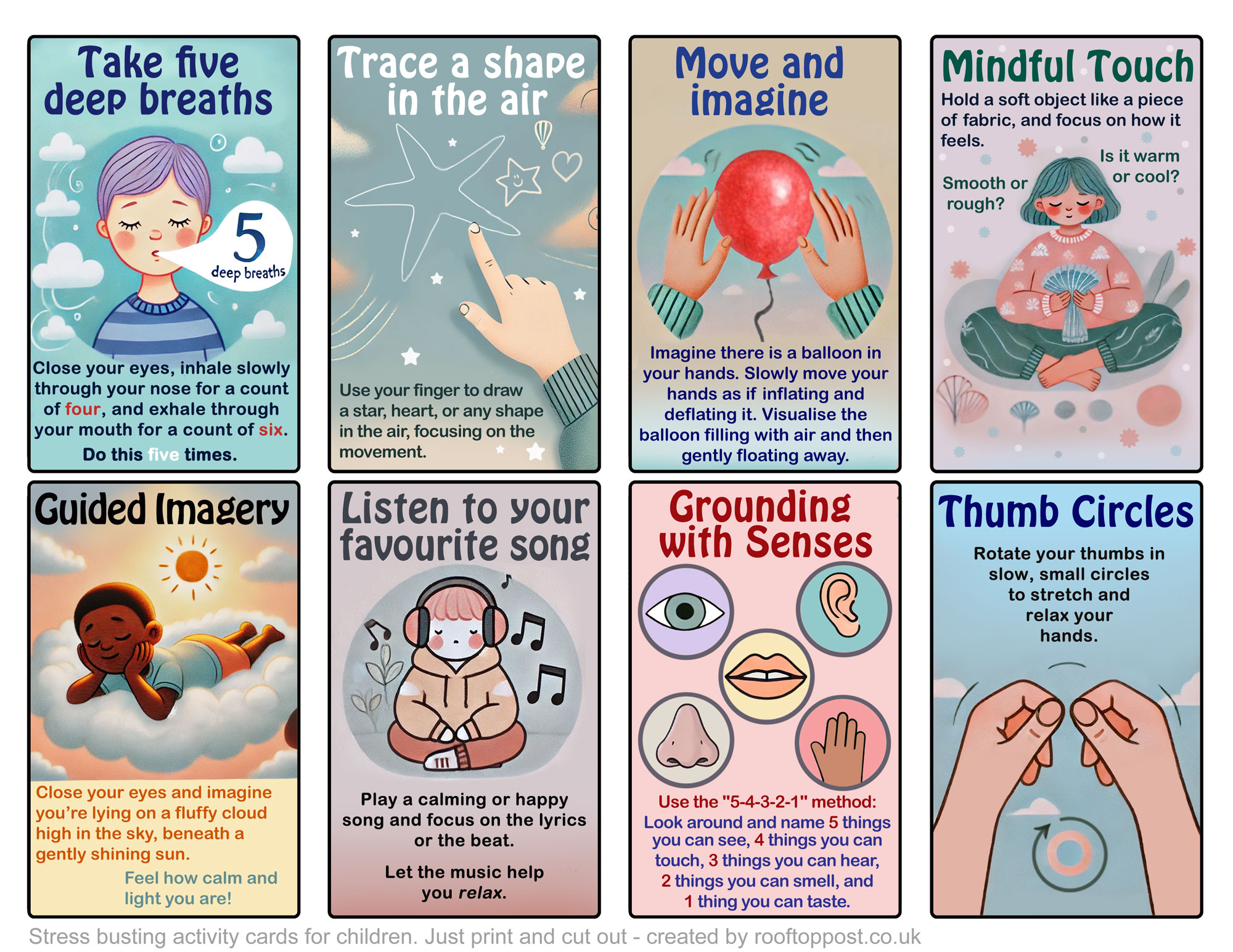
Breathing exercises guide you to breathe slowly and deeply. Controlled breathing lowers heart rate and calms the nervous system. Simple patterns, like inhaling for four seconds, then exhaling, ease stress quickly. Regular practice improves oxygen flow and focus.
Visualization Methods
Visualization uses mental images to create peaceful scenes in the mind. Imagine a quiet beach or a green forest. Picture details like sounds and smells to deepen relaxation. This method helps distract from worries and brings calmness.
Body Scan Meditation
Body scan meditation involves focusing attention on different body parts. Notice sensations without judgment from head to toe. This practice increases body awareness and reduces tension. It helps the mind stay present and relaxed.
Creating A Relaxation Routine
Creating a relaxation routine helps your mind and body feel calm. It sets a special time just for you. This routine can reduce stress and improve sleep. Small, regular steps make a big difference over time.
Choosing The Right Environment
Pick a quiet place free from noise and distractions. It can be a corner in your home or a peaceful spot outside. Soft lighting helps your eyes relax. Keep the space clean and comfortable to feel calm.
Setting Time Limits
Start with short sessions, about 5 to 10 minutes. Gradually increase as you get used to the routine. A set time helps your body know when to relax. Avoid rushing or forcing yourself to relax too long.
Incorporating Music And Sounds
Use soft music or nature sounds to enhance calmness. Sounds like rain, ocean waves, or birds can soothe your mind. Keep volume low to avoid distraction. Choose sounds that make you feel peaceful and relaxed.
Tips For Effective Practice
Guided relaxation exercises work best with the right approach. Practicing correctly helps your mind and body relax deeply. Small changes in how you practice can improve your results. Follow these simple tips to get the most out of your sessions.
Consistency And Patience
Practice guided relaxation regularly. Daily practice helps your brain learn to relax faster. Do not expect quick results. Relaxation skills build over time with patience. Set a specific time each day for your exercises. This habit trains your mind to relax on cue.
Combining Techniques
Try mixing different relaxation methods. Use breathing exercises with guided imagery or muscle relaxation. Combining techniques can increase calmness and focus. Find what feels best for your body and mind. Experiment with short sessions before longer ones. This variety keeps practice interesting and effective.
Avoiding Common Mistakes
Do not rush through the exercises. Take your time with each step. Avoid distractions like phones or loud noises. Choose a quiet, comfortable place to practice. Do not judge yourself if your mind wanders. Gently bring your attention back to the guide. This patience improves your ability to relax deeply.
Guided Relaxation For Specific Stressors
Guided relaxation exercises help reduce stress by focusing the mind and calming the body. These exercises work best when tailored to specific stressors. Different problems need different techniques. The right guidance makes relaxation easier and more effective.
Workplace Stress
Work can bring tension and pressure. Guided relaxation helps clear the mind after a long day. Simple breathing exercises ease muscle tightness. Visualizing a calm place lowers stress hormones. These steps improve focus and reduce anxiety at work.
Sleep Troubles
Many people struggle to fall asleep or stay asleep. Guided relaxation before bed slows down racing thoughts. Progressive muscle relaxation releases physical tension. Soft voice instructions create a peaceful state. This approach helps the body prepare for restful sleep.
Anxiety And Panic
Anxiety and panic attacks feel overwhelming and frightening. Guided relaxation gives control over the body’s response. Slow breathing and mindful awareness reduce heart rate. Imagining a safe space calms the mind. These exercises stop panic from taking over quickly.

Credit: www.youtube.com
Using Technology For Guidance
Technology helps many people practice guided relaxation. It offers easy ways to follow exercises anytime. You can relax at home, work, or anywhere you want. Technology guides you step-by-step for better calm and focus.
Many options exist. Choose what fits your style and needs. Technology makes relaxation simple and clear for all.
Apps And Online Resources
Apps provide guided relaxation exercises on your phone or tablet. Many apps have easy instructions and calming sounds. You can select exercises for stress, sleep, or focus. Online websites also offer free or paid sessions. These tools help you relax anytime, anywhere.
Audio And Video Sessions
Audio sessions guide you with soft voices and music. You can close your eyes and follow the instructions. Videos add visuals to help you relax better. Watching calm scenes while hearing guidance deepens the experience. These sessions suit people who like clear directions and quiet moments.
Virtual Reality Experiences
Virtual reality (VR) puts you in peaceful places. You can walk on a beach or sit in a forest. VR combines sights, sounds, and movement for full relaxation. It feels like a real escape from stress. This method helps users focus deeply and forget daily worries.
Credit: www.rooftoppost.co.uk
Frequently Asked Questions
What Are Guided Relaxation Exercises?
Guided relaxation exercises involve a narrator leading you through calming techniques. These exercises help reduce stress, anxiety and improve mental clarity. They often combine breathing, visualization, and muscle relaxation. Practicing regularly can enhance overall well-being and promote better sleep.
How Do Guided Relaxation Exercises Reduce Stress?
These exercises activate the body’s relaxation response. They lower heart rate, reduce muscle tension, and calm the mind. By focusing attention on soothing imagery or breath, stress hormones decrease. This helps you feel more peaceful and balanced throughout the day.
Can Beginners Practice Guided Relaxation Easily?
Yes, guided relaxation is beginner-friendly. Instructions are simple and easy to follow. You only need a quiet space and a willingness to relax. Audio or video guides can assist in maintaining focus. Regular practice improves skill and deepens relaxation benefits.
How Long Should Guided Relaxation Sessions Last?
Sessions typically last between 5 to 20 minutes. Short sessions fit easily into daily routines. Longer sessions provide deeper relaxation and stress relief. Choose a duration that feels comfortable and consistent for you. Consistency is key to experiencing lasting benefits.
Conclusion
Guided relaxation exercises help calm your mind and body. They reduce stress and improve focus. Practice them daily for better sleep and mood. Small breaks with relaxation bring big benefits. Feel lighter, breathe easier, and stay present. Try different techniques to find what suits you best.
These simple steps make life feel less hectic. Take time for yourself—it truly matters. Keep your mind clear and your heart calm.