

Are you confused about what exactly a balanced diet means? You might have heard the term many times, but do you really know how it affects your body and mind?
Understanding a balanced diet is key to feeling energized, staying healthy, and even improving your mood. You’ll discover simple, practical tips to help you make better food choices every day. Keep reading to unlock the secrets of eating well and taking control of your health starting now.
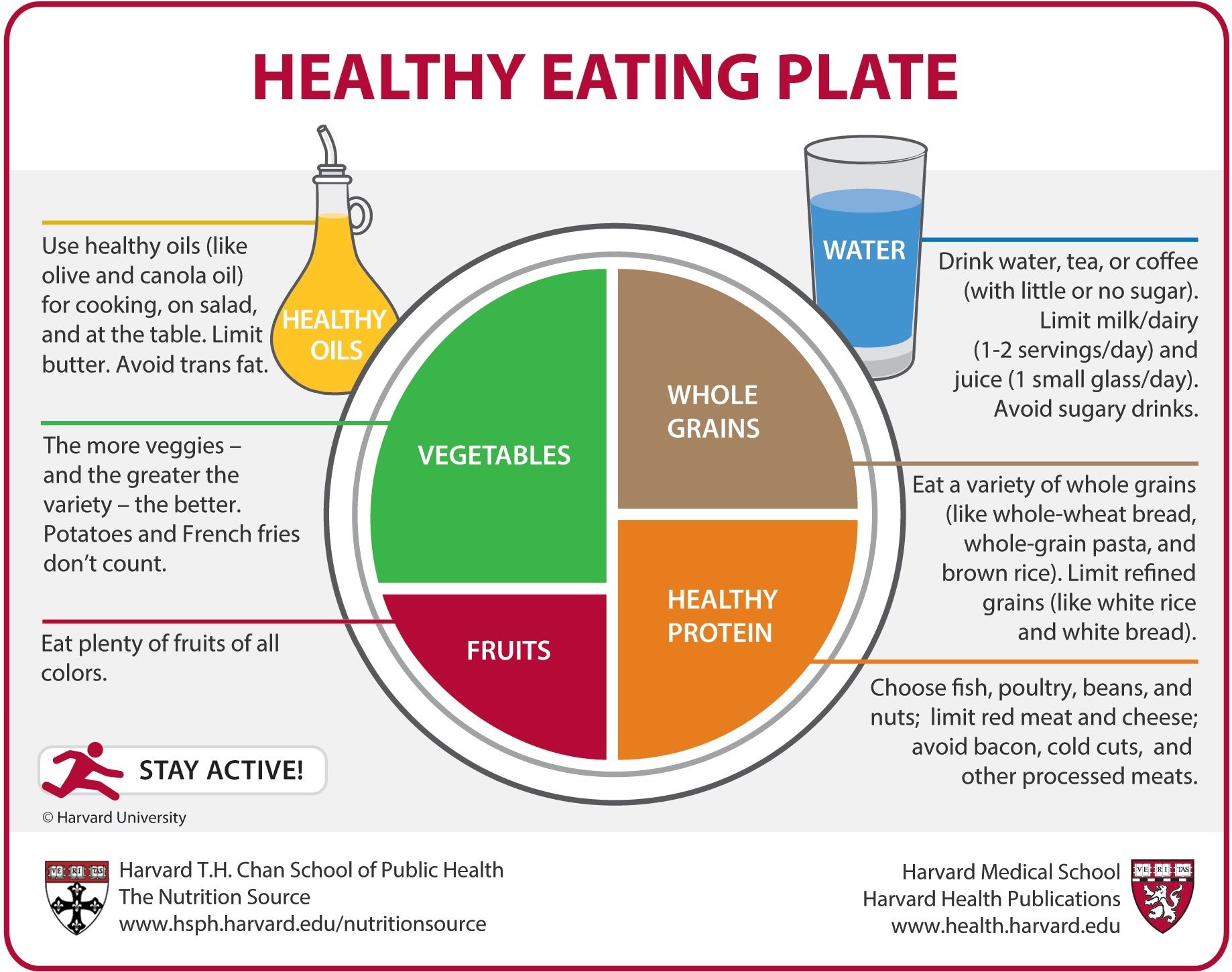
Credit: nutritionsource.hsph.harvard.edu
Key Components Of A Balanced Diet
A balanced diet provides the body with all the nutrients it needs. These nutrients support growth, energy, and overall health. Understanding key components helps make better food choices. Focus on macronutrients, vitamins, minerals, fiber, and water. Each plays a vital role in keeping the body strong and well-functioning.
Macronutrients: Proteins, Carbs, And Fats
Proteins build and repair body tissues. They also support immune functions. Carbohydrates serve as the main energy source. They fuel daily activities and brain function. Fats help absorb vitamins and protect organs. Healthy fats improve heart and brain health. A good balance of these macronutrients is essential.
Essential Vitamins And Minerals
Vitamins and minerals support many body processes. Vitamins A, C, and D help vision, skin, and bones. Minerals like calcium and iron strengthen bones and blood. Deficiencies can cause health problems. Eating a variety of fruits, vegetables, and whole foods provides these nutrients.
Importance Of Fiber And Water
Fiber aids digestion and prevents constipation. It also helps control blood sugar and cholesterol. Water keeps the body hydrated and supports all functions. It helps regulate temperature and flush out toxins. Drinking enough water and eating fiber-rich foods is vital.
Benefits Of Eating Balanced Meals
Eating balanced meals brings many benefits to your body and mind. A balanced diet gives your body the right mix of nutrients. These nutrients help you stay strong and healthy every day. Your body works better when it gets what it needs from food. This makes life easier and more enjoyable.
Boosting Energy And Immunity
Balanced meals provide steady energy throughout the day. They include carbohydrates, proteins, and fats in the right amounts. This combination helps keep your energy levels stable. Your immune system also gets stronger. Nutrients like vitamins and minerals protect your body from illness. You feel less tired and can fight infections better.
Supporting Weight Management
Eating balanced meals helps control your weight. Proper portions prevent overeating and reduce cravings. Nutrient-rich foods keep you full longer. This stops unhealthy snacking between meals. Your body burns calories more efficiently. Balanced diets make it easier to maintain a healthy weight over time.
Enhancing Mental Health
Balanced meals improve brain function and mood. Nutrients like omega-3 fats and B vitamins support mental health. Eating well reduces stress and anxiety levels. Your focus and memory get sharper. Good nutrition helps you stay calm and positive every day.
Daily Portion Recommendations
Daily portion recommendations guide you to eat the right amount of food. They help balance nutrients and control calories. Following these suggestions supports better health and energy levels. Portions differ by food type, age, and activity. Understanding these differences helps you plan meals well.
Serving Sizes For Different Food Groups
Each food group has a suggested serving size. For example, one serving of vegetables is about one cup raw or half a cup cooked. A serving of fruit is one medium piece or half a cup chopped. Grains like rice or bread usually count as one slice or half a cup cooked. Protein servings often measure around three ounces, about the size of a deck of cards. Dairy servings are about one cup of milk or yogurt. Knowing these sizes helps keep meals balanced.
Adjusting Portions By Age And Activity
Children need smaller portions than adults. Growing kids require more nutrients but less food volume. Older adults might need fewer calories but more vitamins. Active people burn more energy and need larger portions. Sedentary individuals should eat smaller amounts to avoid weight gain. Adjust portions to match your body’s needs for best results.
Balancing Meals Throughout The Day
Distribute food portions evenly across meals. Breakfast, lunch, and dinner should each include a variety of food groups. Snacks can help maintain energy, but keep them small. Avoid large meals late at night. Balanced meals prevent hunger and maintain steady blood sugar. Planning portions this way supports a healthy lifestyle.
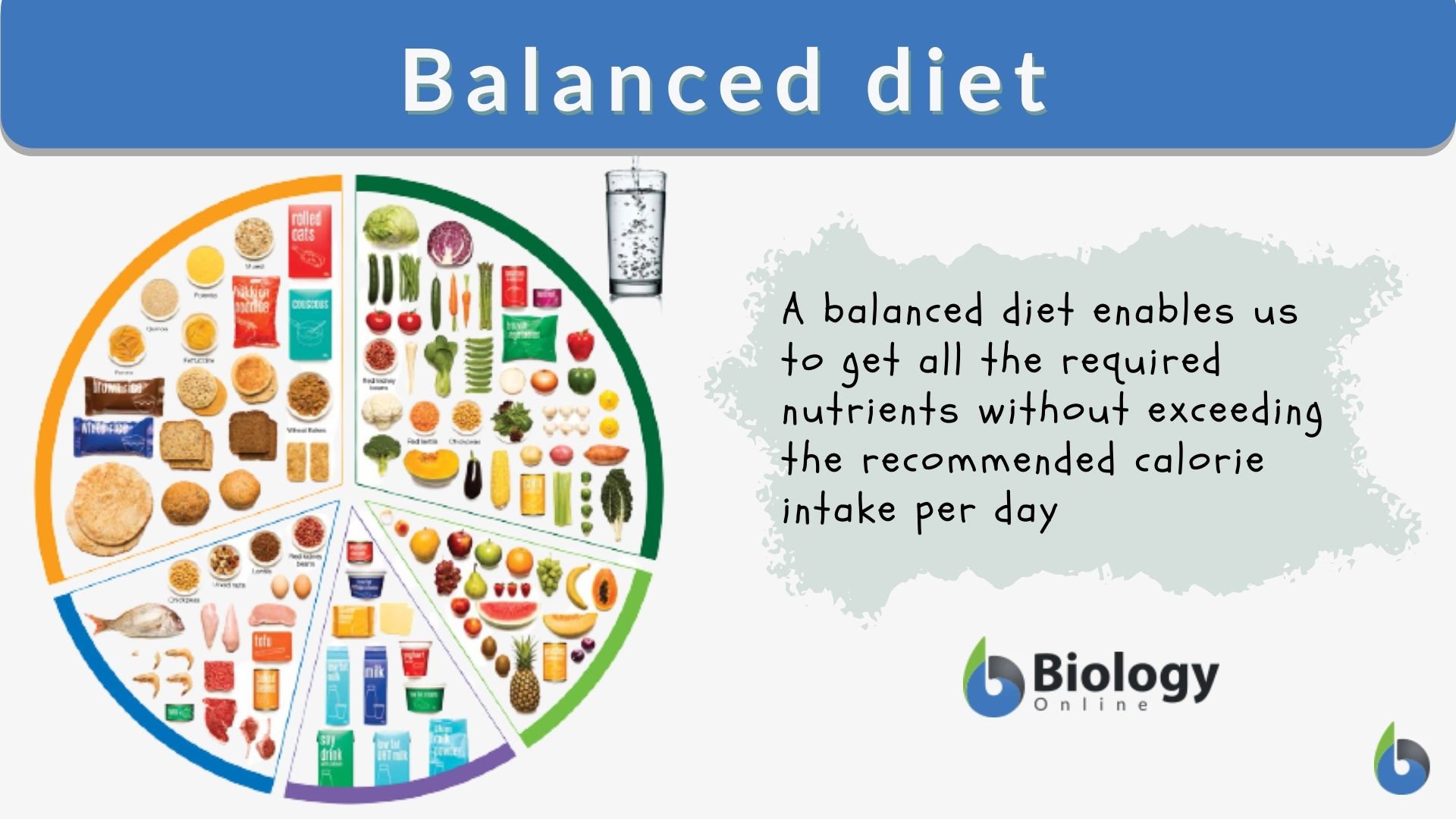
Credit: www.biologyonline.com
Common Diet Mistakes To Avoid
A balanced diet helps your body get the nutrients it needs. Many people make mistakes that harm their health. These errors can stop your diet from working well. Knowing common diet mistakes is important. Avoiding them keeps your body strong and healthy.
Overconsumption Of Processed Foods
Processed foods often have high salt, sugar, and fat. Eating too much can cause weight gain and health problems. These foods lack the vitamins and minerals your body needs. Fresh fruits, vegetables, and whole grains are better choices. Try to limit processed snacks and fast food every day.
Skipping Meals And Its Effects
Skipping meals can slow down your metabolism. It makes your body hold on to fat more. You may feel tired and lose focus, too. Eating regular meals keeps your energy steady. Small, balanced meals help control hunger and avoid overeating later.
Ignoring Hydration Needs
Water is vital for your body’s functions. Not drinking enough water causes tiredness and headaches. It can also make your skin dry and dull. Aim for at least eight glasses of water daily. Drinking water helps digestion and keeps you feeling fresh.
Tips For Planning Balanced Meals
Planning balanced meals helps keep your body healthy and strong. It also makes eating enjoyable and satisfying. Simple steps can guide you to create meals with the right mix of nutrients. These tips help you prepare food that supports your energy and well-being every day.
Incorporating Variety And Color
Choose foods from different groups to get all nutrients. Include fruits, vegetables, grains, proteins, and dairy. Pick colorful fruits and vegetables like carrots, spinach, and berries. Bright colors often mean more vitamins and minerals. Try new foods to keep meals interesting and tasty.
Smart Grocery Shopping
Make a shopping list before going to the store. Stick to the list to avoid buying unhealthy snacks. Buy fresh, frozen, or canned fruits and vegetables without added sugar or salt. Choose whole grains instead of refined ones. Look for lean meats, beans, and nuts for protein. Check labels to find healthy options.
Meal Prep Strategies
Prepare meals ahead to save time and reduce stress. Cook large portions and store leftovers in containers. Chop vegetables and fruits in advance for quick use. Use simple recipes with few ingredients to make cooking easy. Plan meals for the week to avoid last-minute choices. This helps maintain a balanced diet every day.
Special Considerations For Different Lifestyles
Different lifestyles need different types of nutrition. A balanced diet changes based on activity level, age, and health needs. Understanding these special needs helps maintain good health.
Diet Needs For Athletes
Athletes need more energy and nutrients to perform well. They require extra protein for muscle repair. Carbohydrates give them fuel for training and games. Hydration is also key to avoiding fatigue. Balanced meals support recovery and strength.
Balanced Diet For Seniors
Seniors need fewer calories but more vitamins and minerals. Calcium and vitamin D help keep bones strong. Fiber supports digestion and prevents constipation. Protein helps maintain muscle mass. Small, frequent meals can improve appetite and energy.
Adjustments During Pregnancy
Pregnant women need more folic acid for the baby’s growth. Iron supports increased blood supply. Protein helps build new tissues. Balanced meals include fruits, vegetables, and whole grains. Avoid certain foods that might harm the baby.
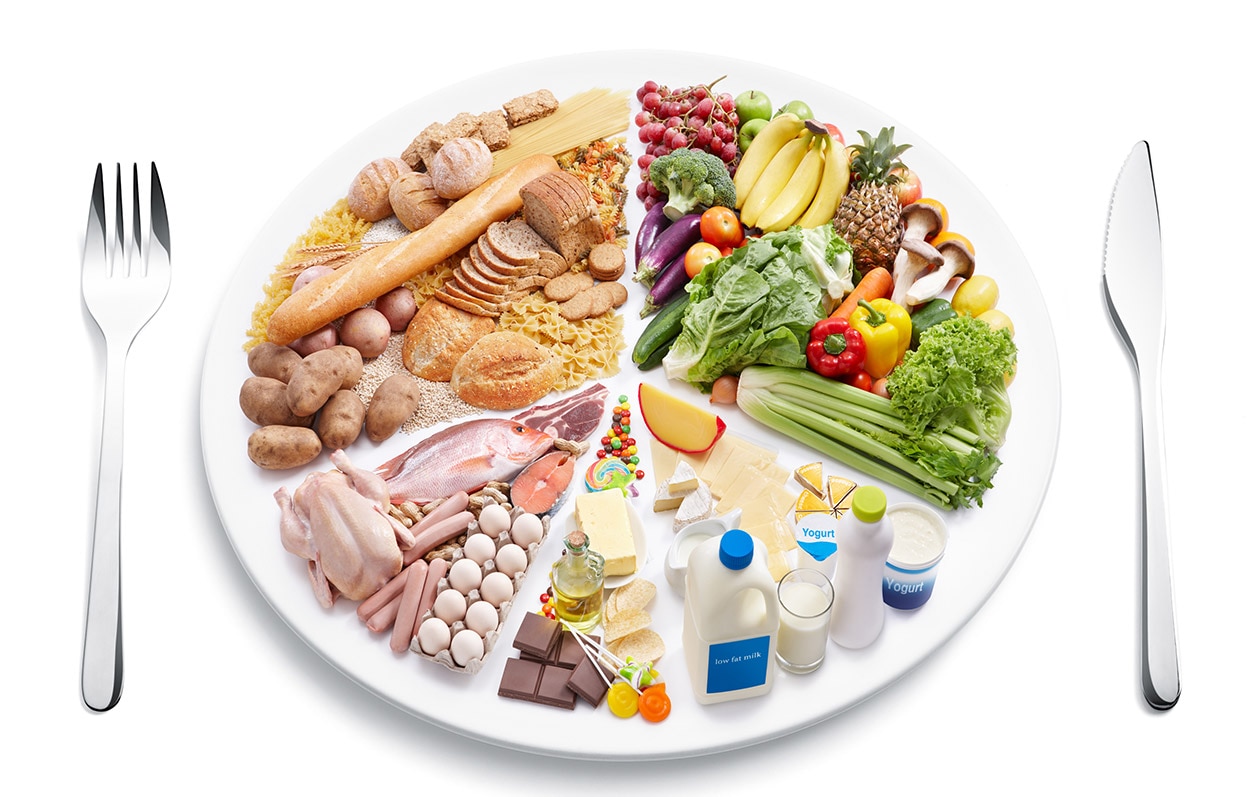
Credit: www.alimentarium.org
Frequently Asked Questions
What Is Included In A Balanced Diet?
A balanced diet includes fruits, vegetables, proteins, grains, and dairy. It provides essential nutrients for overall health and energy. Proper portion sizes ensure you get vitamins, minerals, and fiber without excess calories or unhealthy fats.
Why Is A Balanced Diet Important For Health?
A balanced diet supports body functions, boosts immunity, and prevents diseases. It helps maintain a healthy weight and improves mental well-being. Eating a variety of foods ensures you get all the necessary nutrients for long-term health.
How Can I Create A Balanced Diet Plan?
To create a balanced diet plan, include diverse food groups daily. Focus on whole foods like fruits, vegetables, lean proteins, and whole grains. Limit processed foods, sugars, and saturated fats to promote optimal health and energy.
Can A Balanced Diet Help With Weight Management?
Yes, a balanced diet aids weight management by providing nutrient-rich foods that satisfy hunger. It helps control calorie intake and supports metabolism. Combining it with regular exercise enhances weight loss and overall fitness.
Conclusion
A balanced diet helps your body stay strong and healthy. It gives you energy to do daily tasks. Eating different foods brings many vitamins and minerals. It supports your immune system and improves mood. Choose fruits, vegetables, grains, proteins, and fats in the right amounts.
Small changes in eating can make a big difference. Start simple, and your body will thank you. Good food choices lead to a happier, healthier life. Remember, balance is the key to feeling your best every day.