

Managing diabetes can feel overwhelming, especially when it comes to choosing the right foods. But what if you could enjoy tasty meals that help keep your blood sugar steady and boost your energy?
A balanced diet for diabetics is not about strict restrictions—it’s about smart choices that work with your body. You’ll discover simple, practical tips to create meals that support your health without sacrificing flavor. Ready to take control of your diet and feel your best every day?
Keep reading to learn how.
Key Nutrients For Diabetics
Eating the right nutrients helps manage diabetes well. Choosing key nutrients carefully supports stable blood sugar and overall health. This section explains important nutrients for diabetics and their role in a balanced diet.
Carbohydrates And Blood Sugar
Carbohydrates affect blood sugar the most. They break down into glucose, raising blood sugar levels. Diabetics should choose carbs that digest slowly. Whole grains, vegetables, and legumes are good options. Avoid sugary snacks and drinks that cause spikes.
Importance Of Fiber
Fiber slows down sugar absorption in the body. It helps control blood sugar levels better. Eating fiber-rich foods also supports digestion and heart health. Fruits, vegetables, beans, and whole grains contain high fiber. Aim for a variety of these in your meals.
Healthy Fats And Proteins
Healthy fats and proteins do not raise blood sugar. They provide energy and keep you full longer. Good fats come from nuts, seeds, olive oil, and fish. Lean proteins include chicken, turkey, tofu, and legumes. Balance these nutrients to support blood sugar control.
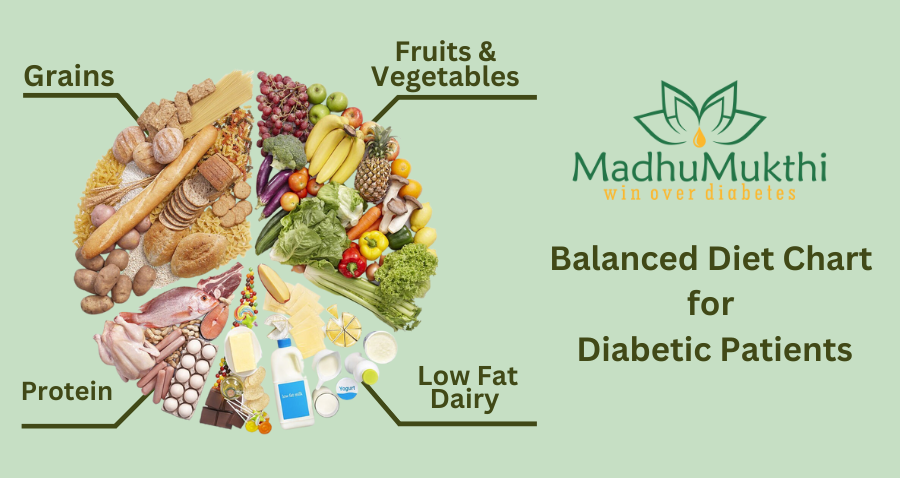
Credit: madhumukthi.com
Foods To Include
Choosing the right foods helps manage diabetes well. Eating a balanced diet keeps blood sugar steady. Focus on foods that provide nutrients without causing spikes. Here are key food groups to include in your meals.
Whole Grains And Vegetables
Whole grains are rich in fiber and keep you full longer. Examples include brown rice, quinoa, and whole wheat bread. Fiber slows sugar absorption, helping control blood sugar levels.
Vegetables contain vitamins and minerals essential for health. Choose non-starchy vegetables like spinach, broccoli, and peppers. They have low calories and help maintain steady blood sugar.
Lean Proteins And Plant-based Options
Lean proteins support muscle health without extra fat. Good choices are chicken breast, turkey, and fish. Plant-based proteins like beans, lentils, and tofu are also excellent.
Proteins help stabilize blood sugar and keep hunger away. They provide energy without raising glucose levels quickly.
Low-glycemic Fruits
Fruits with a low glycemic index raise blood sugar slowly. Examples include berries, cherries, and apples. These fruits offer vitamins, fiber, and antioxidants.
Limit high-sugar fruits like bananas and grapes. Choose fresh or frozen fruits without added sugar for best benefits.
Foods To Limit
Choosing the right foods helps control blood sugar and improve overall health. Some foods can raise blood sugar quickly or cause other health problems. It is important to limit these foods in a diabetic diet. Knowing which foods to avoid helps maintain better blood sugar levels and reduces the risks of heart disease and other issues.
Refined Sugars And Processed Foods
Refined sugars cause blood sugar to spike fast. Candy, soda, and sweets have high amounts of sugar. Processed foods often contain hidden sugars and unhealthy additives. These foods provide little nutrition and many empty calories. Avoiding them helps keep blood sugar steady and energy levels balanced.
Saturated And Trans Fats
Saturated fats come from animal products like butter and fatty meats. Trans fats are in some fried and packaged foods. Both fats raise bad cholesterol and increase heart disease risk. Diabetics face higher risks of heart problems. Limiting these fats supports heart health and better blood sugar control.
High-sodium Items
Too much sodium causes high blood pressure, a common problem for diabetics. Processed and canned foods often have extra salt. Fast foods and salty snacks also raise sodium levels. Cutting back on salt helps protect the heart and kidneys. Fresh foods and low-sodium options are better choices.
Meal Planning Tips
Planning meals carefully helps manage diabetes better. It controls blood sugar and keeps energy steady. Simple meal planning tips make a big difference daily. Focus on balance and timing for best results.
Portion Control Strategies
Eating the right amount of food is key. Use smaller plates to avoid overeating. Measure servings of rice, bread, and pasta carefully. Fill half your plate with vegetables for fiber and vitamins. Control snacks by choosing small, healthy portions.
Balancing Macronutrients
Include carbohydrates, proteins, and fats in each meal. Choose whole grains over refined carbs to slow sugar rise. Add lean proteins like chicken, fish, or beans. Healthy fats from nuts, seeds, and olive oil help keep you full. Balanced meals support steady blood sugar levels.
Timing And Frequency Of Meals
Eat meals at regular times each day. Avoid long gaps between meals to prevent blood sugar dips. Smaller, frequent meals help maintain energy and control hunger. Do not skip breakfast; it starts your metabolism. Consistent timing supports better diabetes management.
Lifestyle Habits For Better Control
Maintaining a balanced diet is only part of managing diabetes well. Lifestyle habits play a big role in keeping blood sugar stable. Simple daily routines help improve your health and control your diabetes better. Small changes add up to big benefits.
Regular Physical Activity
Exercise helps lower blood sugar and improve insulin use. Walking, cycling, or swimming for 30 minutes daily works well. Physical activity also helps control weight and boosts mood. Choose activities you enjoy to stay consistent. Even light exercise can make a difference.
Hydration And Sleep
Drinking enough water supports your body’s functions. It helps flush out excess sugar through urine. Aim for at least 8 glasses of water a day. Good sleep restores energy and balances hormones. Poor sleep raises blood sugar and cravings. Try to sleep 7 to 8 hours every night.
Stress Management Techniques
Stress raises blood sugar and affects diabetes control. Deep breathing or meditation calms your mind and body. Spending time outside or with loved ones reduces stress. Find simple ways to relax every day. Managing stress helps keep blood sugar steady.
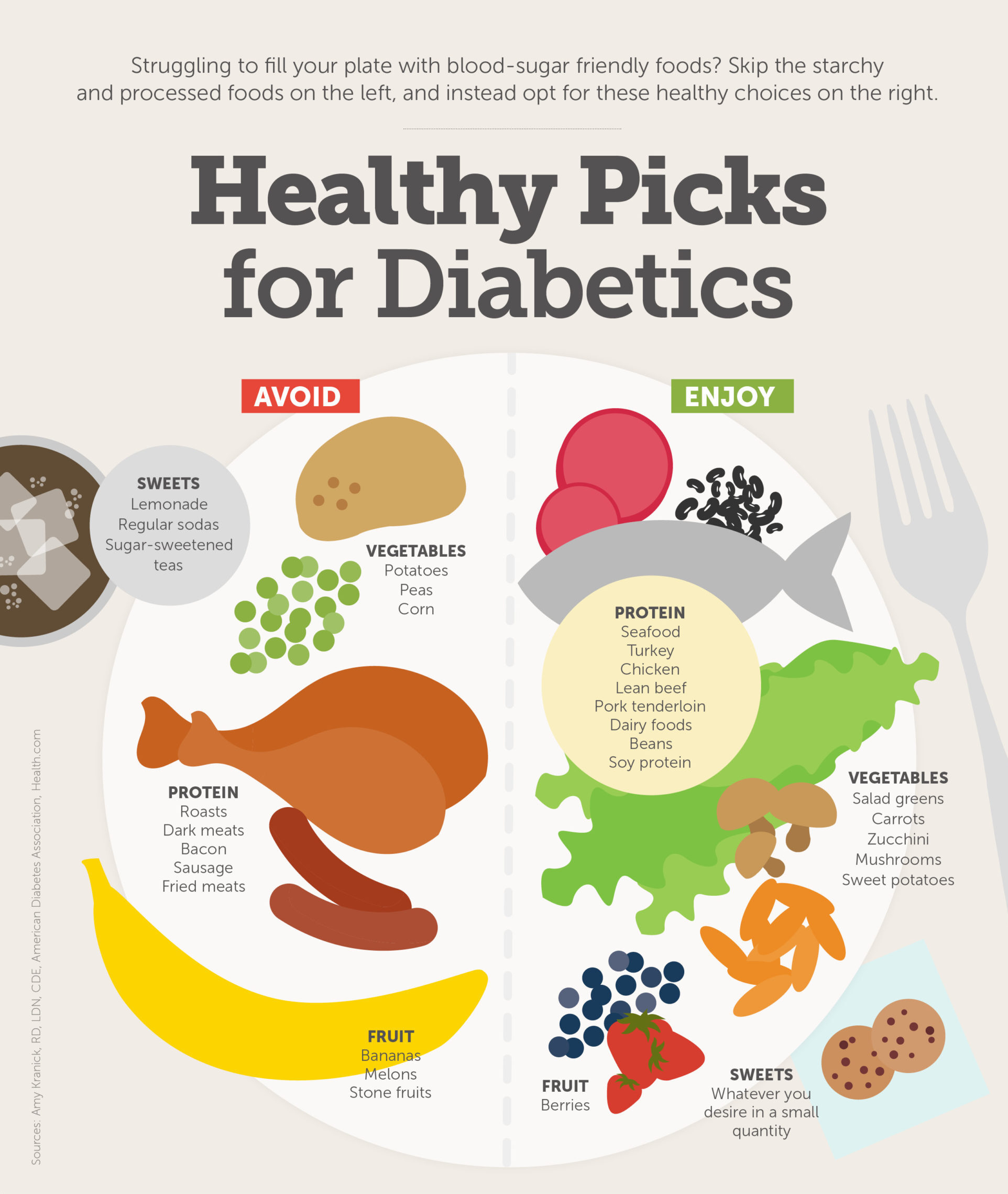
Credit: my.vanderbilthealth.com
Monitoring And Adjusting Diet
Monitoring and adjusting your diet is important for managing diabetes well. Each person’s body reacts differently to foods. Keeping track helps find what works best for you. Changes may be needed over time to keep blood sugar steady. This process takes patience and attention to detail. Support from healthcare experts makes it easier and safer.
Tracking Blood Sugar Responses
Check your blood sugar regularly after meals. Notice how different foods affect your levels. Write down your readings and meals in a journal. This practice helps you see patterns and avoid spikes. It guides you in choosing better food options daily. Small changes can make a big difference in control.
Working With Healthcare Professionals
Talk to doctors and dietitians about your diet plan. They provide advice based on your health needs. Adjustments in medication or food may be necessary. Professionals help identify hidden sugars and unhealthy fats. Their guidance supports safe and effective diabetes management. Regular checkups ensure you stay on the right path.
Adapting To Personal Preferences
Choose foods you enjoy that fit your diet plan. This makes sticking to your diet easier and fun. Experiment with healthy recipes and flavors to keep meals interesting. Balance nutrition with taste to avoid frustration. Personalizing your diet helps maintain long-term healthy habits. Your preferences matter for success and satisfaction.

Credit: happilo.com
Frequently Asked Questions
What Is A Balanced Diet For Diabetics?
A balanced diet for diabetics includes whole grains, lean proteins, healthy fats, and fiber-rich vegetables. It helps maintain stable blood sugar levels and supports overall health. Portion control and regular meal timing are essential to avoid blood sugar spikes.
Which Foods Should Diabetics Avoid?
Diabetics should avoid sugary snacks, refined carbs, and processed foods. High-sugar items cause rapid blood sugar spikes. Limiting saturated fats and excessive salt also helps manage diabetes and reduce heart disease risk.
How Does Fiber Help Diabetics Control Blood Sugar?
Fiber slows sugar absorption, preventing blood sugar spikes after meals. It also improves digestion and promotes fullness, aiding weight management. Including fiber-rich foods like vegetables, fruits, and whole grains benefits diabetics significantly.
Can Diabetics Eat Fruits In A Balanced Diet?
Yes, diabetics can eat fruits in moderation. Choose low-glycemic fruits like berries, apples, and pears. These fruits provide essential vitamins and antioxidants without causing rapid blood sugar increases.
Conclusion
A balanced diet helps control blood sugar levels well. Eating whole grains, lean proteins, and fresh veggies supports health. Avoiding too much sugar and processed foods is key. Small, regular meals keep energy steady throughout the day. Drinking plenty of water helps the body work better.
Planning meals with care can make living with diabetes easier. Simple changes lead to better health and more energy. Start with small steps and stay consistent for the best results.