

Are you tired of dealing with slow hair growth or thinning strands? What if the secret to stronger, healthier hair lies not in expensive products, but on your plate?
Your hair needs the right nutrients to grow thick and vibrant. By understanding how a balanced diet fuels hair growth, you can take control and see real results. Keep reading to discover simple, effective ways to nourish your hair from the inside out—and watch your locks transform like never before.
Credit: myhairdoctor.com
Key Nutrients For Hair Growth
Healthy hair needs the right nutrients. A balanced diet gives the hair what it needs to grow strong and shiny. Certain nutrients play key roles in hair health. They help hair grow faster and stay healthy over time. Below are the most important nutrients for hair growth.
Proteins And Hair Strength
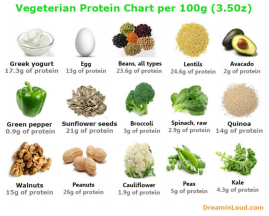
Hair is mostly made of protein called keratin. Eating enough protein helps build strong hair strands. Sources like eggs, fish, and beans supply this vital nutrient. Without protein, hair becomes weak and breaks easily. Protein also supports scalp health, which is essential for hair growth.
Vitamins For Shine And Growth
Vitamins A, C, D, and E support hair in different ways. Vitamin A helps produce oils that keep the scalp moist. Vitamin C aids collagen production, which strengthens hair. Vitamin D may help create new hair follicles. Vitamin E protects hair from damage and adds shine.
Minerals That Boost Hair Health
Minerals like iron, zinc, and selenium improve hair health. Iron carries oxygen to hair roots, which is needed for growth. Zinc supports cell repair and keeps hair follicles healthy. Selenium acts as an antioxidant, protecting hair from damage. A lack of these minerals can cause hair loss.
Hydration And Hair Vitality
Water keeps hair hydrated and flexible. Dry hair breaks easily and looks dull. Drinking enough water improves scalp health and hair texture. Hydrated hair shines more and feels softer. Simple but important for healthy hair growth.

Credit: medwayhospitals.com
Foods That Promote Strong Hair
Eating the right foods helps your hair grow strong and healthy. Nutrients from food feed hair follicles and support growth. Some foods contain vitamins and minerals essential for thick, shiny hair. Including these foods in your diet can improve hair strength and reduce breakage.
Lean Meats And Seafood
Lean meats like chicken and turkey provide protein, a building block for hair. Seafood such as salmon and mackerel is rich in omega-3 fatty acids. These fats nourish hair and keep the scalp healthy. Iron in meats helps carry oxygen to hair roots, promoting growth.
Leafy Greens And Vegetables
Spinach, kale, and other leafy greens contain iron and vitamins A and C. These nutrients help produce sebum, a natural oil that protects hair. Vegetables also have antioxidants that fight damage to hair cells. Eating greens supports a healthy scalp and strong hair strands.
Nuts And Seeds
Almonds, walnuts, and flaxseeds are good sources of vitamin E and zinc. Vitamin E improves blood circulation to the scalp, aiding hair growth. Zinc helps repair hair tissue and keeps oil glands working well. These nuts and seeds provide healthy fats that keep hair shiny.
Fruits Rich In Antioxidants
Fruits like berries, oranges, and kiwi contain vitamin C, a powerful antioxidant. Vitamin C helps produce collagen, which strengthens hair structure. Antioxidants protect hair from damage caused by free radicals. Eating colorful fruits supports overall hair health and growth.
Meal Planning For Healthy Hair
Meal planning plays a key role in supporting healthy hair growth. Eating the right foods daily gives your hair the nutrients it needs. A balanced diet helps keep hair strong, shiny, and full.
Organizing meals with hair health in mind makes it easier to stay consistent. It helps you avoid unhealthy choices that can weaken hair. Simple changes in your food routine can bring big benefits.
Daily Balanced Diet Tips
- Include protein-rich foods like eggs, fish, and beans.
- Eat fruits and vegetables for vitamins A and C.
- Choose whole grains for energy and minerals.
- Drink plenty of water to keep hair hydrated.
- Add nuts and seeds for healthy fats and zinc.
Snacks That Support Hair Growth
- Greek yogurt with berries supplies protein and antioxidants.
- Almonds and walnuts offer vitamin E and omega-3 fats.
- Carrot sticks with hummus provide vitamins and minerals.
- Boiled eggs are rich in biotin, essential for hair health.
- Fresh fruit like oranges or kiwi adds vitamin C.
Sample Hair-healthy Meal Plans
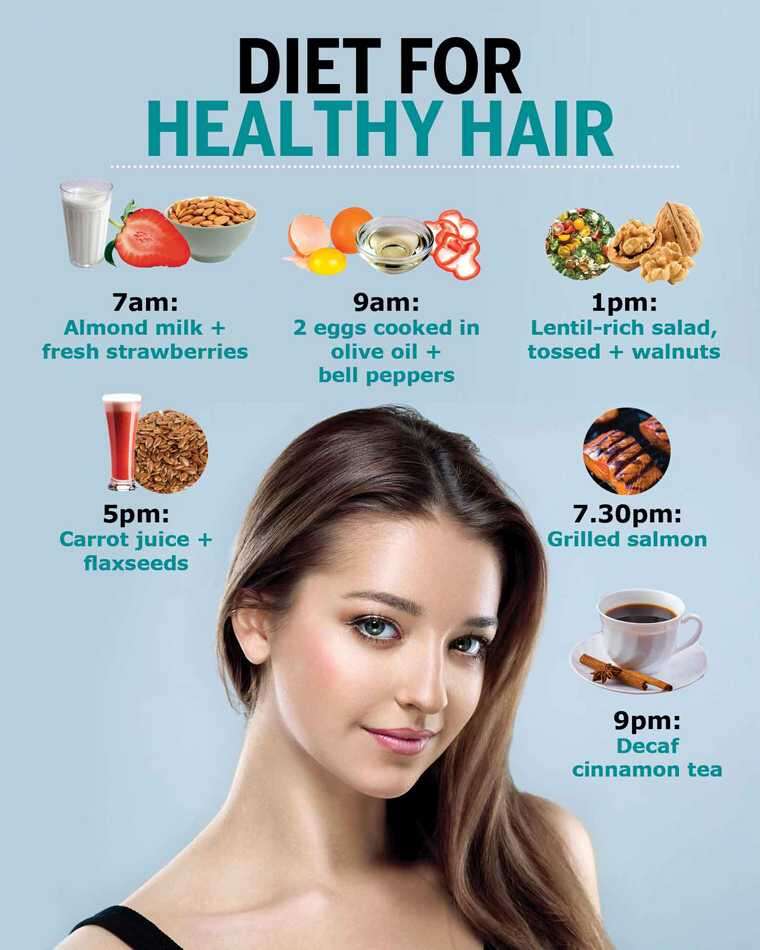
Breakfast: Oatmeal with sliced banana and walnuts, plus a boiled egg.
Lunch: Grilled chicken salad with spinach, tomatoes, and avocado.
Dinner: Baked salmon with quinoa and steamed broccoli.
Snack: Greek yogurt with a handful of mixed berries.
Lifestyle Factors Affecting Hair Health
Hair health depends on more than just diet. Lifestyle choices play a big role in how your hair grows and looks. Stress, sleep, and exercise affect the strength and shine of your hair. Understanding these factors helps you take better care of your hair every day.
Stress And Hair Loss
Stress can cause hair to fall out. When the body is under pressure, it shifts energy away from hair growth. This can lead to thinning or sudden hair loss. Managing stress keeps hair roots strong and supports new hair growth.
Sleep And Hair Repair
Sleep allows your body to repair itself, including hair follicles. During deep sleep, cells regenerate and grow. Poor sleep slows down this process, making hair weaker and more prone to damage. A good night’s rest helps hair stay healthy and grow faster.
Exercise And Circulation
Exercise improves blood flow to the scalp. Better circulation delivers nutrients and oxygen to hair roots. This helps hair grow thicker and stronger. Regular physical activity also reduces stress, which benefits hair health further.
Supplements And When To Use Them
Supplements can help support hair growth when your diet lacks key nutrients. They provide extra vitamins and minerals that strengthen hair and reduce hair loss. Using supplements correctly matters for safety and results. Knowing which supplements to take and when to use them helps protect your health and improve hair growth.
Common Hair Growth Supplements
Biotin is popular for improving hair strength. Vitamin D supports hair follicle health. Iron helps prevent hair thinning caused by a deficiency. Zinc plays a role in hair tissue growth and repair. Omega-3 fatty acids nourish hair and scalp. These supplements target different causes of hair loss.
Consulting A Healthcare Provider
Check with a doctor before starting any supplement. Blood tests can identify nutrient deficiencies. A healthcare provider can recommend the right dose. They ensure supplements do not clash with medications. Personalized advice reduces risks and improves benefits.
Avoiding Overuse And Side Effects
Taking too many supplements can harm your body. Excess iron or vitamin A may cause hair loss. Overuse can lead to stomach problems or headaches. Follow the recommended doses on labels or by your doctor. Stop supplements if you notice unusual symptoms.
Credit: www.femina.in
Frequently Asked Questions
What Foods Promote Healthy Hair Growth?
Foods rich in vitamins A, C, D, E, zinc, iron, and omega-3 fatty acids promote hair growth. Include leafy greens, nuts, eggs, fish, and fruits for optimal results.
How Does Protein Affect Hair Growth?
Protein is essential for hair structure and strength. Consuming adequate protein supports hair follicle repair and promotes faster, healthier hair growth.
Can A Balanced Diet Prevent Hair Loss?
Yes, a balanced diet supplies vital nutrients that reduce hair thinning and loss. Proper nutrition strengthens hair and supports scalp health.
Which Vitamins Are Best For Hair Growth?
Vitamins A, B-complex, C, D, and E are crucial for hair health. They nourish follicles, improve circulation, and boost hair growth.
Conclusion
Eating a balanced diet helps your hair grow strong and healthy. Nutrients like protein, vitamins, and minerals feed your scalp and hair roots. Drinking enough water keeps your hair hydrated and shiny. Avoiding too much sugar and processed foods supports good hair health.
Small, steady changes in your eating habits can make a big difference. Healthy hair starts from inside your body. Keep your meals colorful and varied for the best results. Simple foods can give your hair the care it needs every day.