
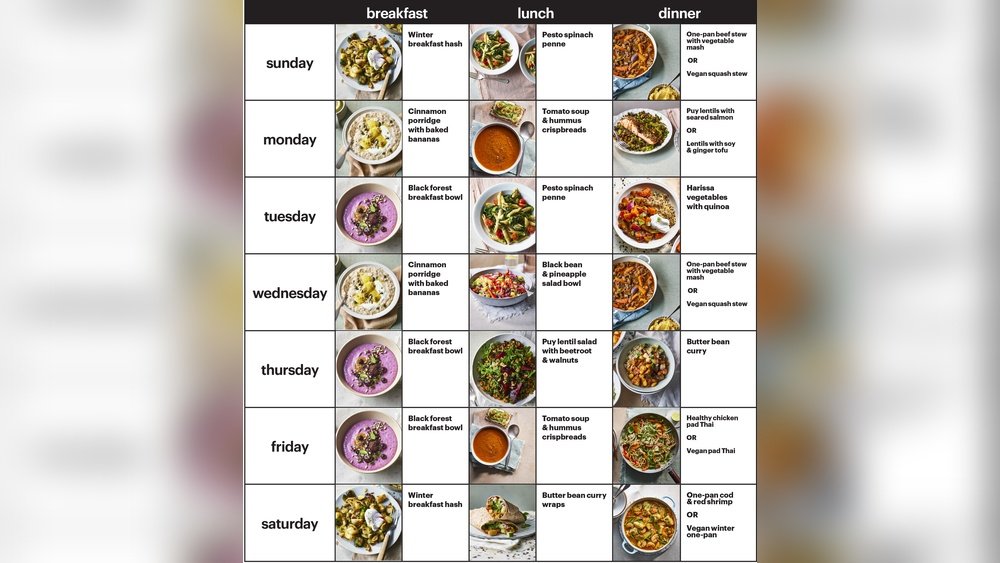
Are you tired of trying diets that leave you hungry and tired? A balanced diet plan for weight loss could be the key to finally reaching your goals without feeling deprived.
Imagine eating foods you enjoy while still shedding pounds and boosting your energy. This isn’t about quick fixes or extreme restrictions—it’s about creating a simple, healthy routine that fits your life. Keep reading to discover how you can lose weight the smart way, feel great every day, and make lasting changes that work for you.
Key Components Of A Balanced Diet
A balanced diet is the foundation for healthy weight loss. It provides the body with essential nutrients for energy and repair. Each part of the diet plays a key role in overall health. Understanding these components helps make better food choices. Below are the main elements of a balanced diet that support weight loss.
Macronutrients And Their Roles
Macronutrients include carbohydrates, proteins, and fats. Carbohydrates give quick energy for daily activities. Proteins help build and repair muscles. Fats support cell function and keep you full longer. A good diet balances these macronutrients to fuel the body efficiently. Avoid excess fats and sugars to prevent weight gain.
Importance Of Micronutrients
Micronutrients are vitamins and minerals needed in small amounts. They help the body grow and stay healthy. For example, vitamin C boosts immunity. Iron carries oxygen in the blood. Calcium strengthens bones. Eating fruits, vegetables, and whole grains provides these vital nutrients. Micronutrients support metabolism and improve energy use.
Hydration And Its Impact
Water is crucial for all body functions. It aids digestion and nutrient absorption. Drinking enough water helps control hunger and avoid overeating. Water also removes waste and toxins. Staying hydrated improves exercise performance and boosts metabolism. Aim for at least 8 cups of water daily for best results.
Credit: www.olivaclinic.com
Creating A Weight Loss-Friendly Meal Plan
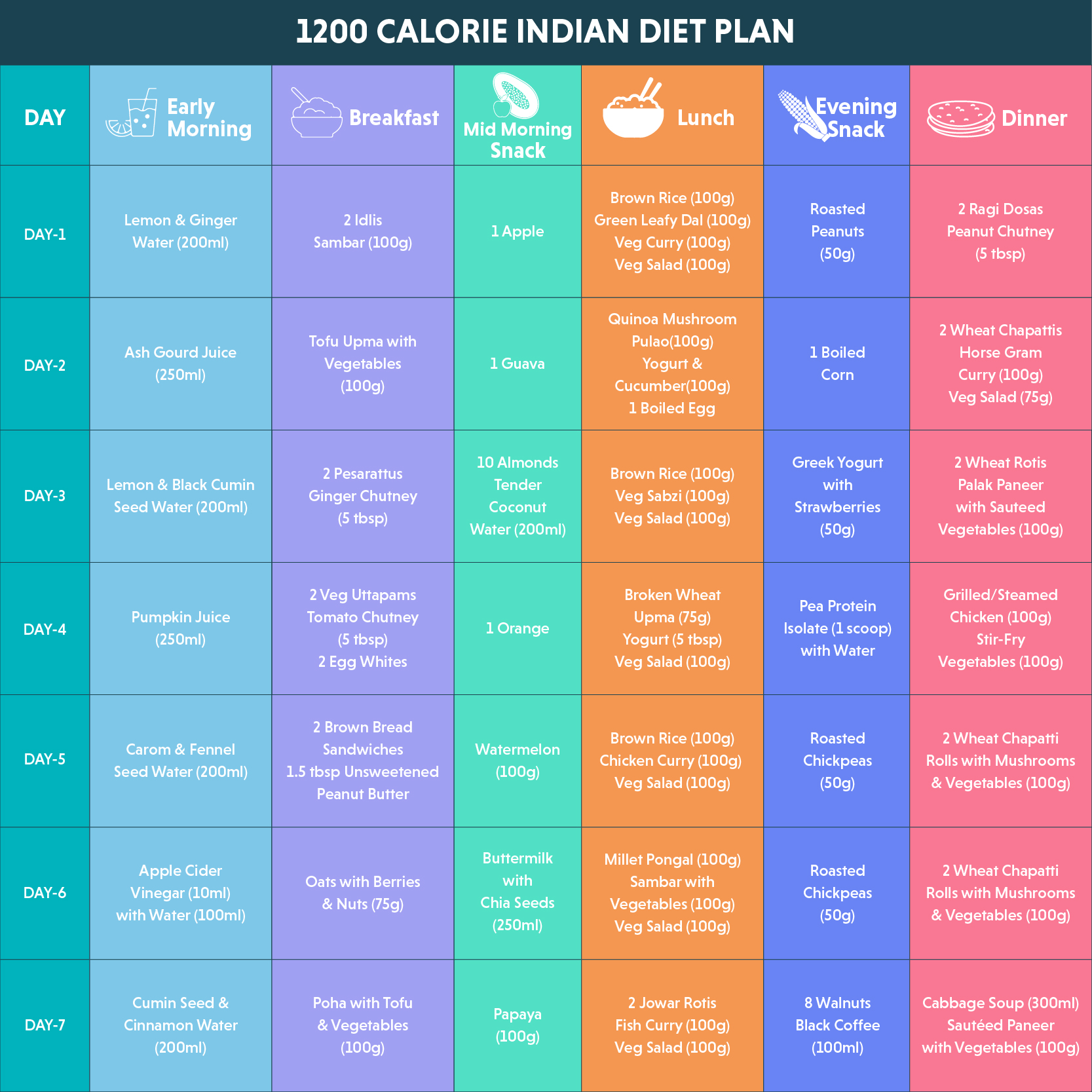
Creating a weight-loss-friendly meal plan helps control your eating habits. It guides you to eat the right foods in the right amounts. This plan supports steady weight loss without feeling hungry all the time. Planning meals makes it easier to avoid unhealthy snacks and overeating. It also helps balance nutrients for energy and good health.
Calorie Control Strategies
Calories fuel the body, but excess calories cause weight gain. Count calories to stay within your daily limit. Choose low-calorie foods rich in nutrients. Swap sugary drinks for water or herbal tea. Eat more vegetables and lean proteins to feel full. Track your meals using a journal or app for accuracy.
Meal Timing And Frequency
Regular meal times help control hunger and energy levels. Eat three main meals and one or two small snacks daily. Avoid skipping meals to prevent overeating later. Spread meals evenly throughout the day for stable blood sugar. Early dinner may improve digestion and sleep quality.
Portion Size Tips
Portion size affects calorie intake directly. Use smaller plates to reduce serving size visually. Fill half your plate with vegetables for fiber and volume. Measure portions of rice, pasta, and protein with cups or a scale. Avoid eating straight from the package to stop overeating. Listen to your body’s hunger signals and stop when full.
Foods To Include And Avoid
Choosing the right foods plays a big role in weight loss. Some foods help burn fat and keep you full. Others can slow down your progress and make you feel hungry more often. Knowing what to eat and what to avoid makes your diet plan easier to follow and more effective.
Best Foods For Weight Loss
Lean proteins like chicken, fish, and beans help build muscle and burn calories. Vegetables such as spinach, broccoli, and carrots are low in calories but high in nutrients. Whole grains like brown rice and oats provide long-lasting energy. Fruits like berries and apples offer fiber and natural sweetness without extra sugar. Healthy fats from nuts, seeds, and avocados keep you satisfied longer.
Foods That Hinder Progress
Sugary drinks and sodas add empty calories and increase hunger. Fried foods and fast food often contain unhealthy fats and lots of calories. White bread and pastries can cause blood sugar spikes and cravings. Processed snacks like chips and cookies usually have high salt and sugar levels. Avoiding these foods helps keep your weight loss steady and steady.
Healthy Snack Options
Snacking smart helps control hunger and boosts metabolism. Try nuts and seeds for a protein and fat mix. Fresh fruits like oranges and bananas offer quick energy and vitamins. Low-fat yogurt provides probiotics and calcium. Cut raw vegetables such as carrots or cucumbers for a crunchy, low-calorie snack. These options keep your diet balanced and your hunger in check.

Credit: www.kobokofitness.com
Incorporating Physical Activity
Adding physical activity to your balanced diet plan boosts weight loss efforts. Exercise helps burn calories and build muscle. It also improves mood and energy. Staying active supports a healthy lifestyle and speeds up fat loss.
Types Of Exercise For Fat Loss
Cardio exercises burn a lot of calories fast. Examples include walking, running, cycling, and swimming. Strength training builds muscle, which helps burn more calories even at rest. Activities like weightlifting or bodyweight exercises are good choices. Mixing cardio and strength workouts works best for fat loss.
Combining Diet And Exercise
Eating right and exercising together create better results. A balanced diet gives energy for workouts and recovery. Avoid skipping meals; it can lower your energy and slow progress. Drink plenty of water before and after exercise. Regular physical activity increases calorie needs, so adjust your food intake carefully.
Staying Motivated
Set small, clear goals to keep yourself on track. Track your progress with a journal or app. Find activities you enjoy to make exercise fun. Partner with a friend or join a group for support. Remember, consistency is key. Keep moving even on low-energy days to build a habit.
Common Challenges And Solutions
Following a balanced diet plan for weight loss can be tough. Many people face challenges that slow their progress. Understanding these common problems helps find the right solutions. Staying on track becomes easier with simple strategies.
Dealing With Cravings
Cravings often lead to unhealthy food choices. They can feel very strong and hard to ignore. Drinking water or eating a small healthy snack helps control them. Keeping busy and avoiding trigger foods also reduces cravings. Planning meals stops last-minute temptations.
Managing Social Situations
Social events can disrupt diet plans. Friends and family may offer tempting foods. Choose smaller portions and avoid seconds. Focus on talking and enjoying company instead of food. Bringing a healthy dish ensures there is a safe option.
Tracking Progress Effectively
Tracking helps maintain motivation and see improvements. Use a simple journal or an app to record meals and weight. Regular check-ins highlight what works and what needs to change. Celebrate small wins to stay encouraged and focused.
Long-term Habits For Success
Creating long-term habits is key to successful weight loss. Quick fixes rarely last. A balanced diet plan that fits your lifestyle helps maintain results. Consistency matters more than perfection. Small changes build strong foundations for health. Focus on habits that you can keep every day.
Building Sustainable Eating Patterns
Choose foods that nourish your body and satisfy hunger. Plan meals with a good mix of protein, fiber, and healthy fats. Avoid extreme diets that cut out whole food groups. Find a routine that feels natural and easy to follow. Regular meal times prevent overeating and boost metabolism. Drink plenty of water to stay hydrated and support digestion.
Mindful Eating Practices
Eat slowly and pay attention to your hunger signals. Notice the taste, texture, and smell of your food. Stop eating when you feel comfortably full, not stuffed. Avoid distractions like TV or phones during meals. Mindful eating helps control portions and reduces emotional eating. This habit strengthens your connection to real hunger and fullness.
Adjusting Plans Over Time
Your body and lifestyle will change over months and years. Adapt your diet to match new needs and goals. Track progress and listen to your body’s feedback. Make small tweaks instead of drastic changes. Flexibility helps maintain motivation and prevents burnout. A balanced diet plan should grow with you, not restrict you.

Credit: worksheets.clipart-library.com
Frequently Asked Questions
What Foods Are Essential In A Balanced Diet For Weight Loss?
A balanced diet for weight loss includes lean proteins, whole grains, fruits, vegetables, and healthy fats. These foods provide essential nutrients and keep you full longer, helping reduce calorie intake and promote fat loss effectively.
How Many Meals Should I Eat Daily For Weight Loss?
Eating 3 to 5 small, balanced meals daily helps maintain energy and control hunger. Regular meals prevent overeating and stabilize blood sugar, supporting steady weight loss and better metabolism.
Can A Balanced Diet Alone Help Me Lose Weight?
Yes, a balanced diet alone can promote weight loss by providing necessary nutrients and controlling calories. Combining it with regular exercise enhances fat burning and overall health for sustainable results.
How Important Is Portion Control In A Balanced Diet?
Portion control is crucial as it prevents overeating and calorie surplus. Eating appropriate serving sizes ensures you get enough nutrients without excess calories, aiding effective weight loss and maintaining a healthy metabolism.
Conclusion
A balanced diet helps you lose weight safely and steadily. Eat a variety of foods to get all the needed nutrients. Focus on fruits, vegetables, lean proteins, and whole grains. Avoid skipping meals to keep your energy up all day. Drink plenty of water to stay hydrated.
Small, healthy changes lead to lasting results. Remember, patience and consistency matter most for weight loss. Keep your goals clear and enjoy the journey to better health.